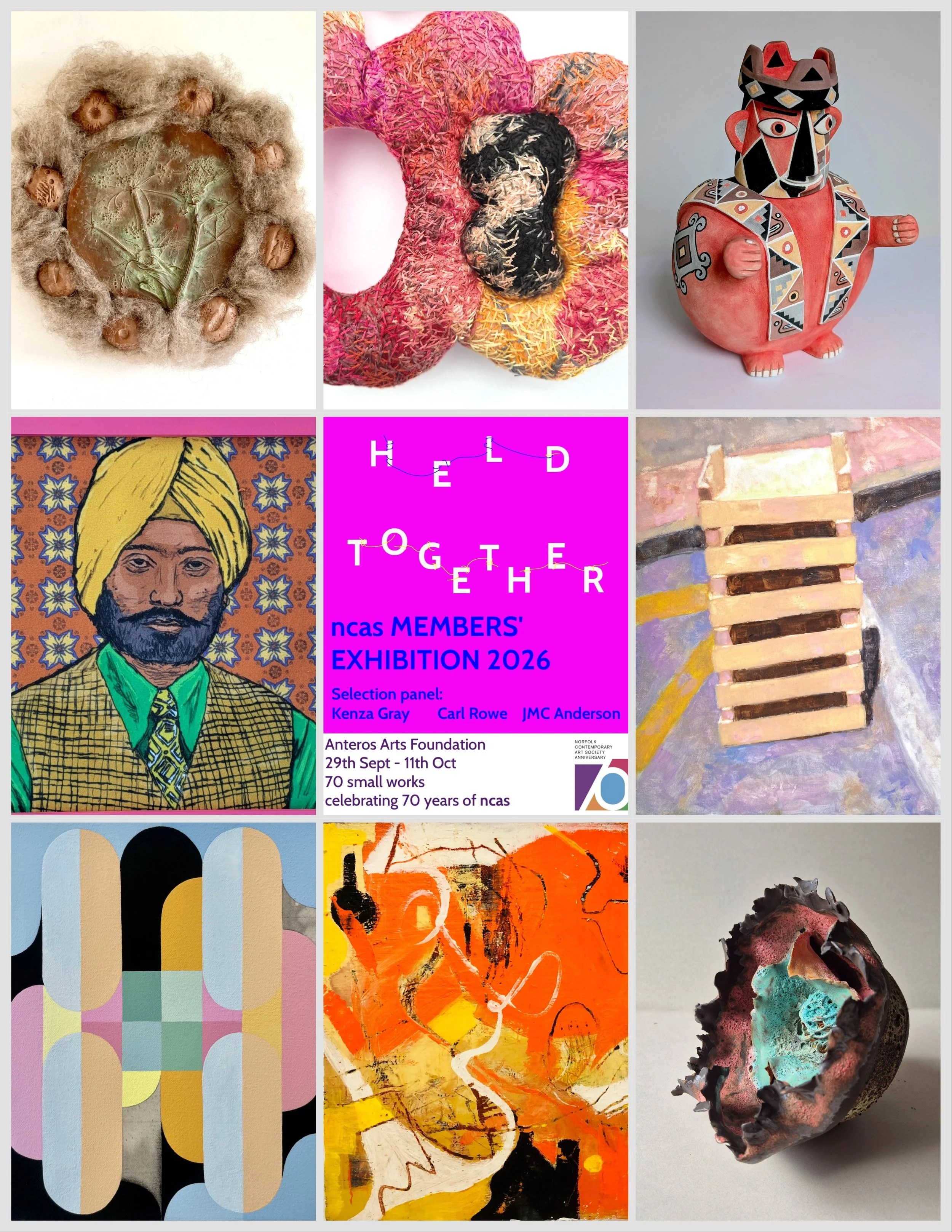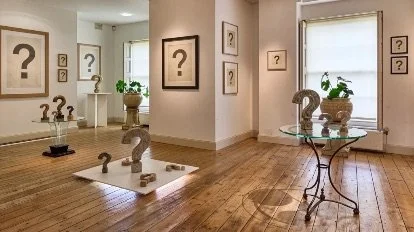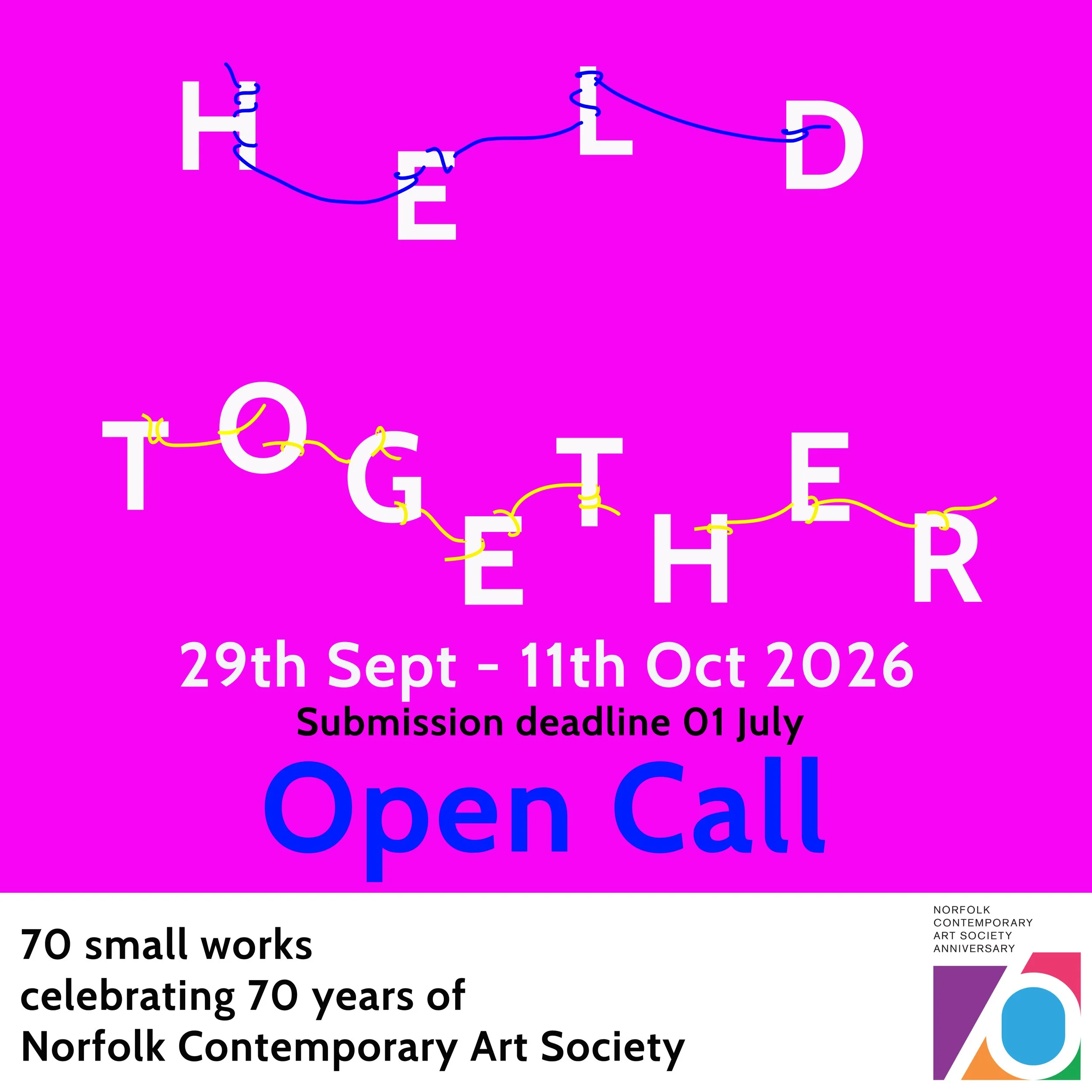
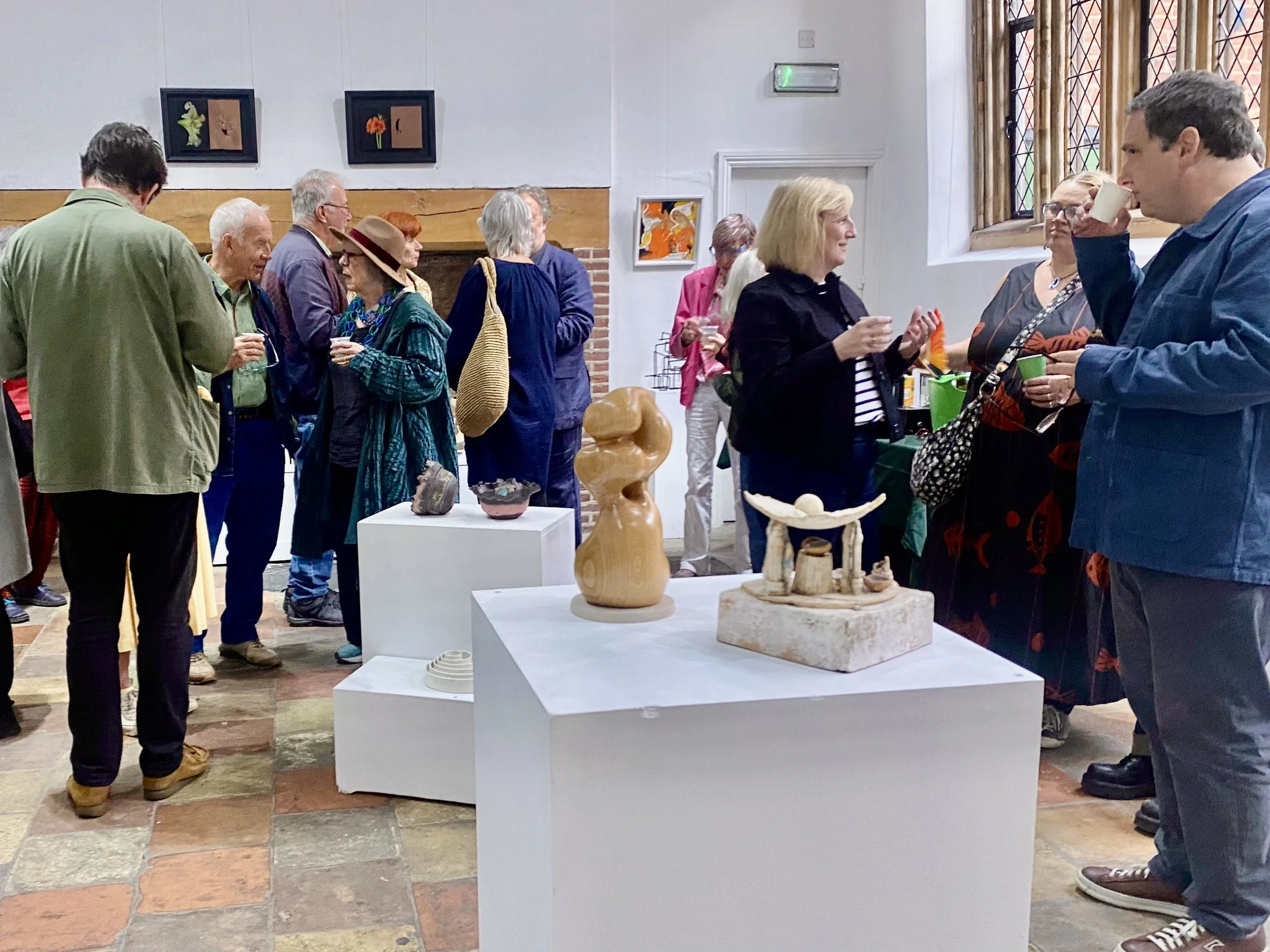
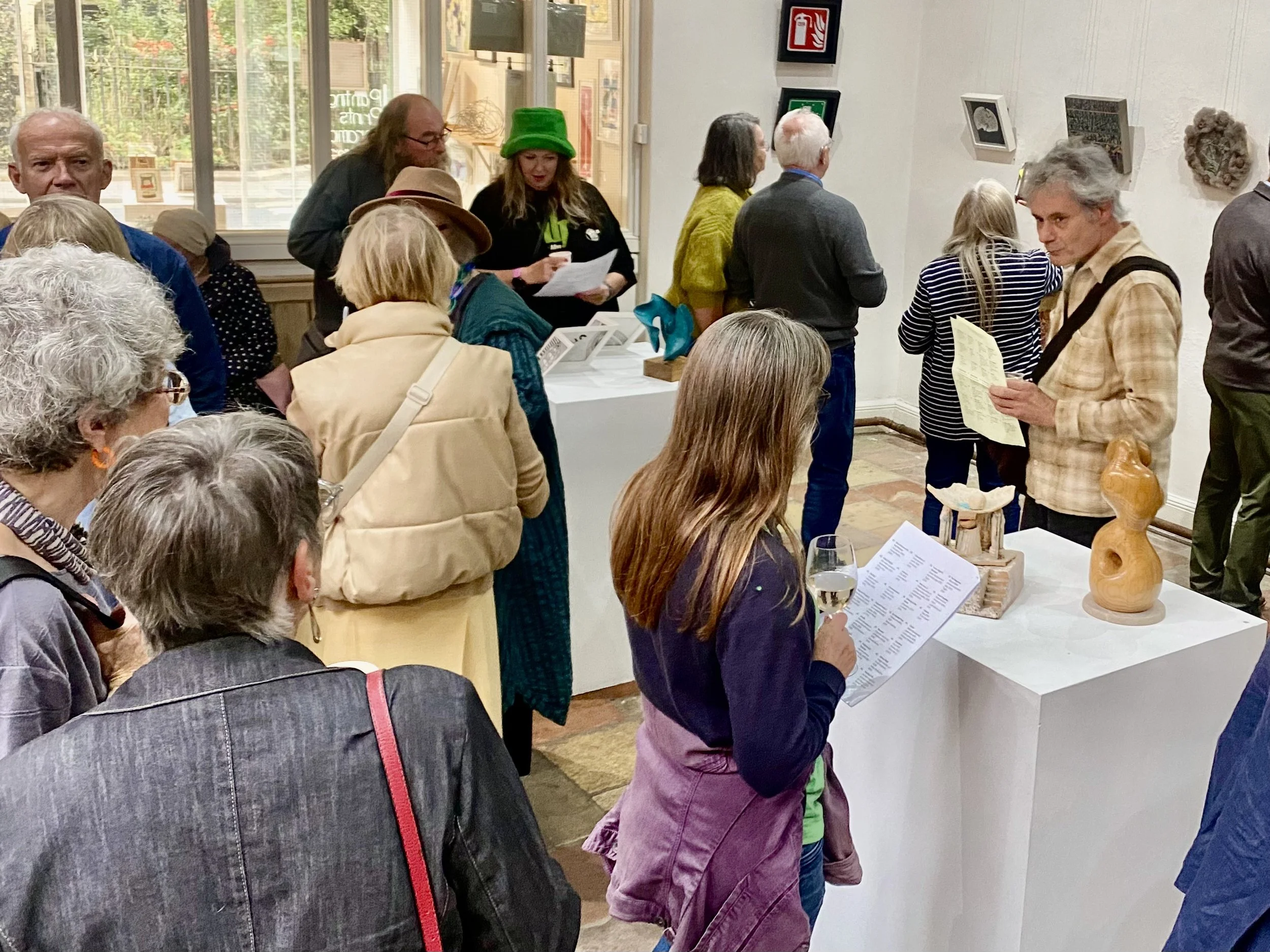
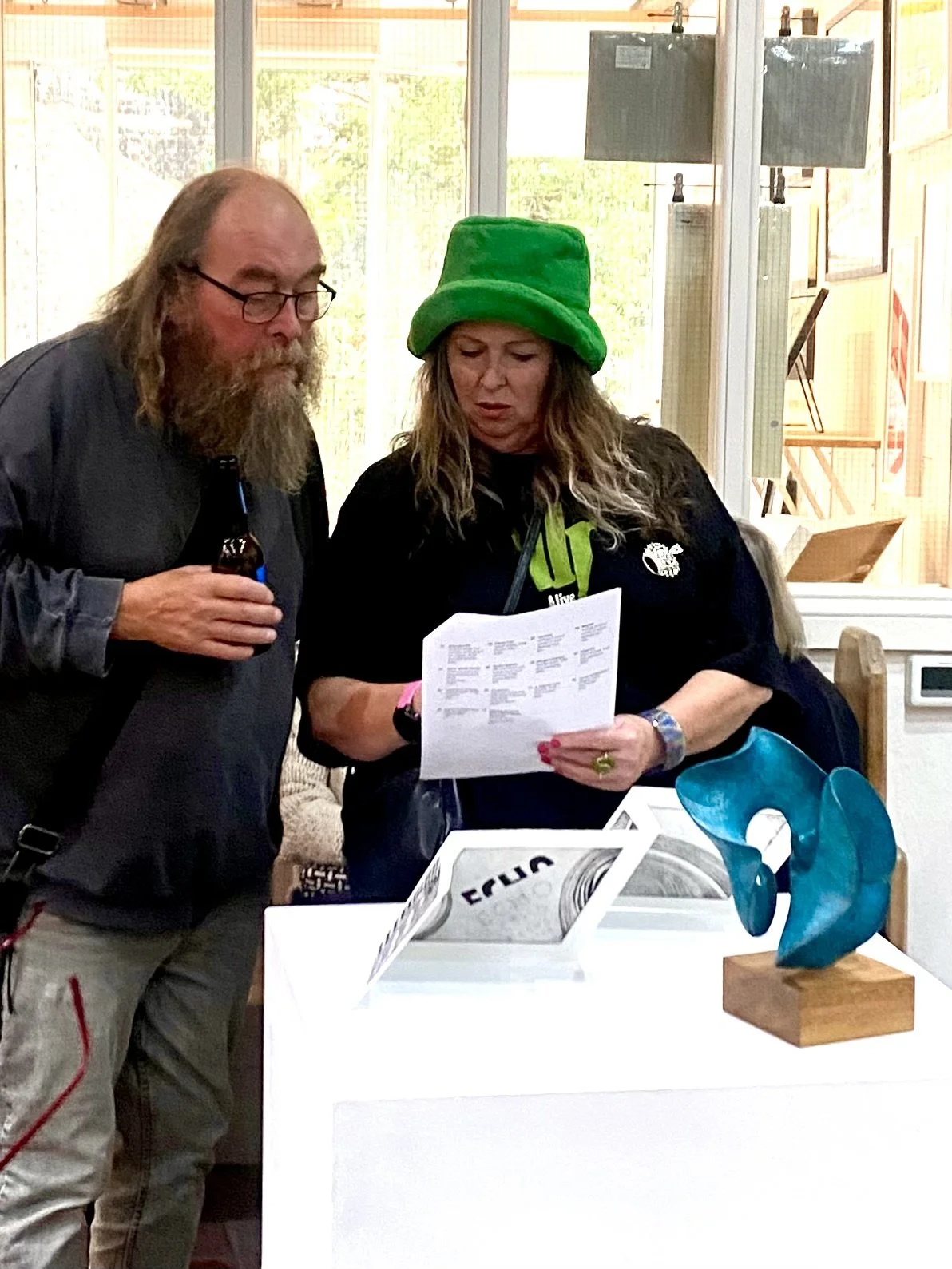
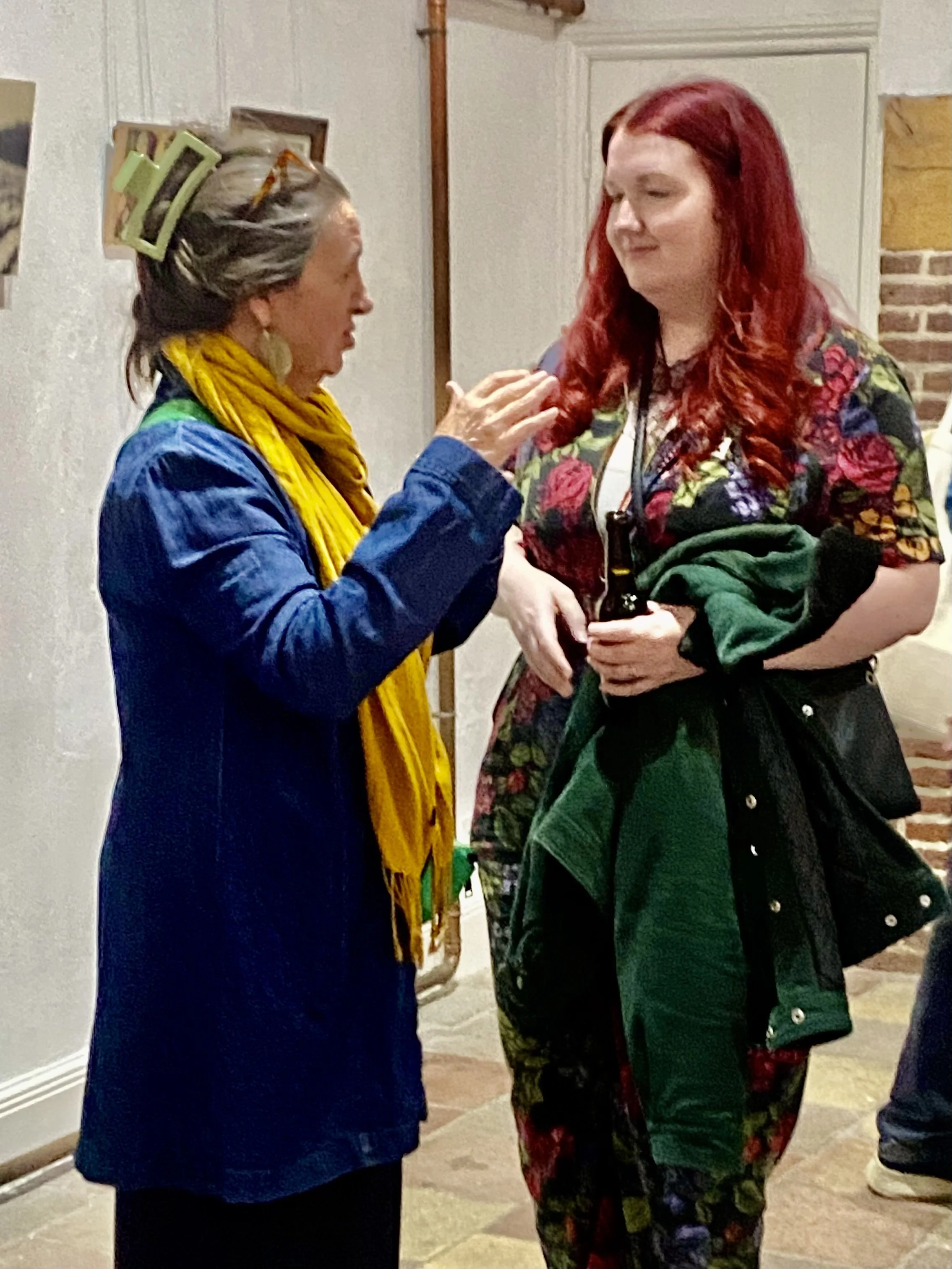
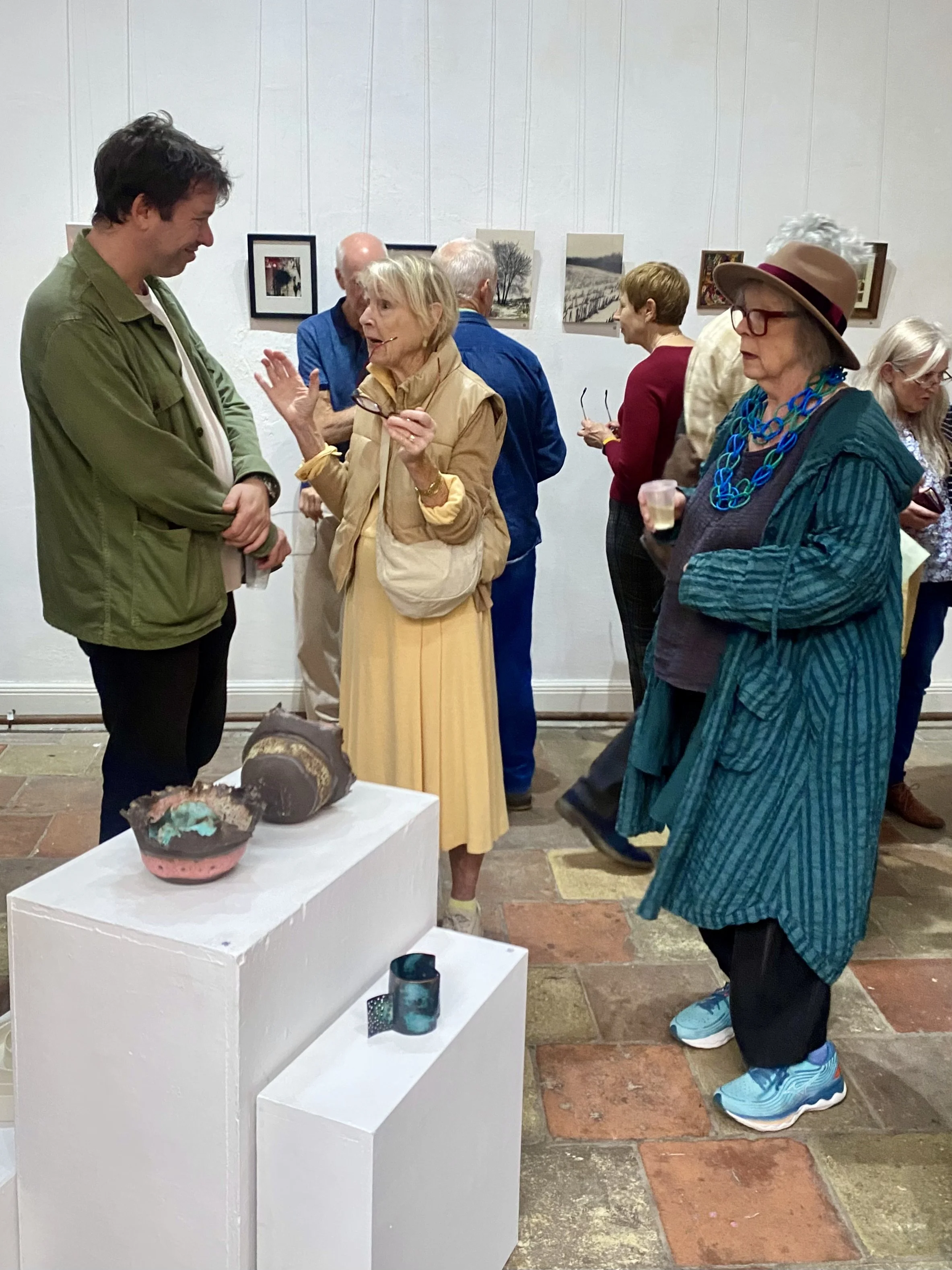
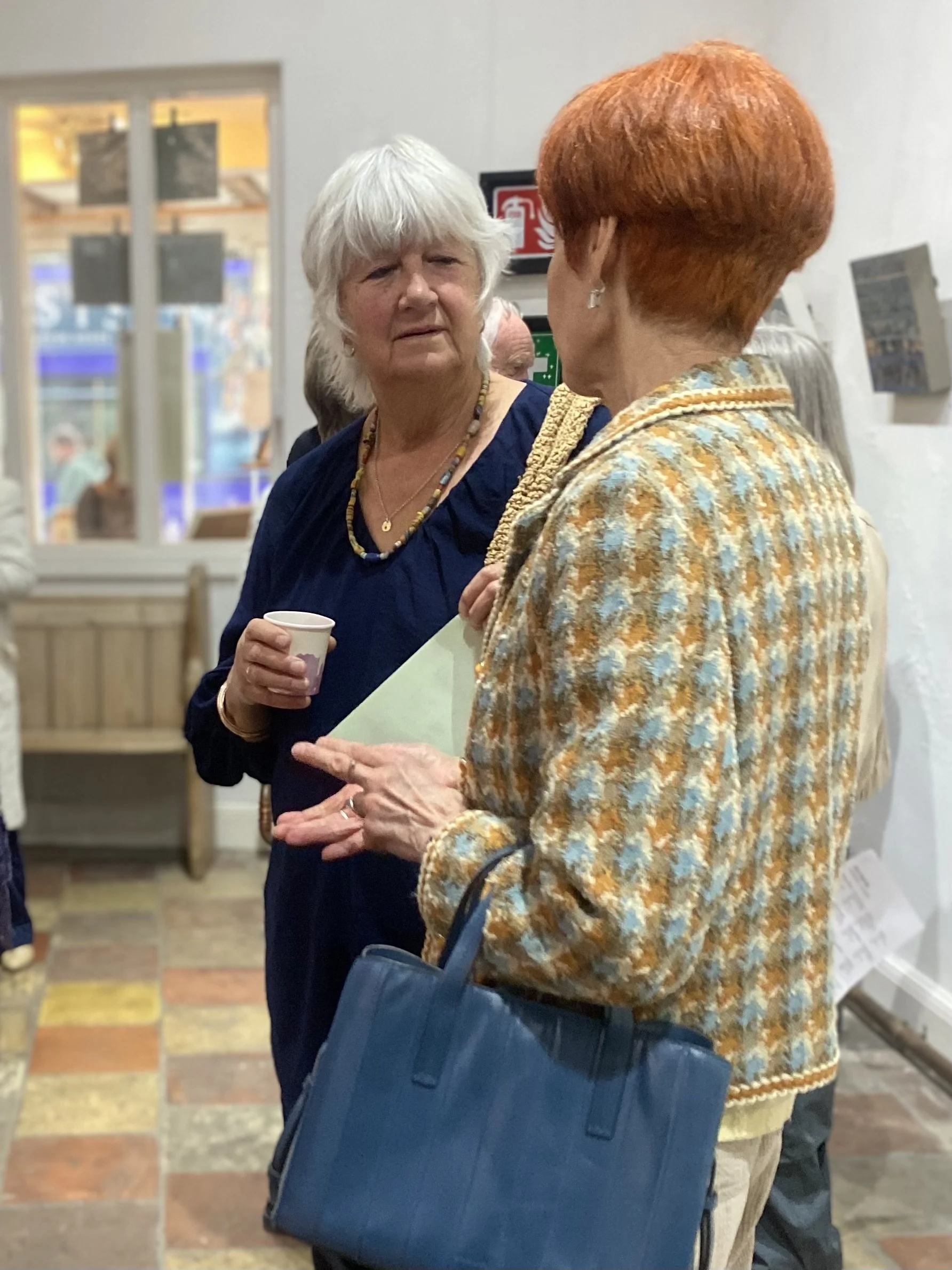
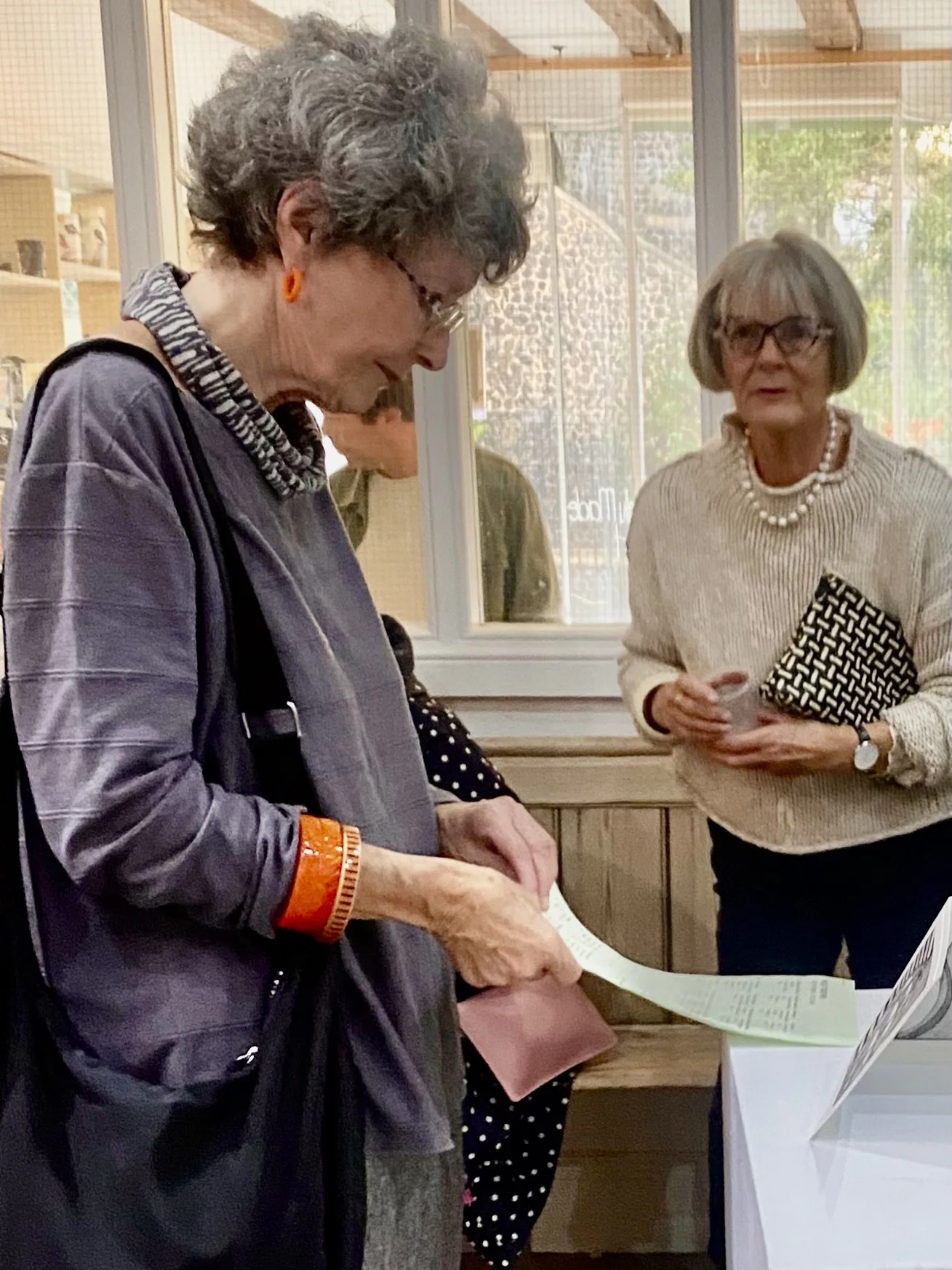
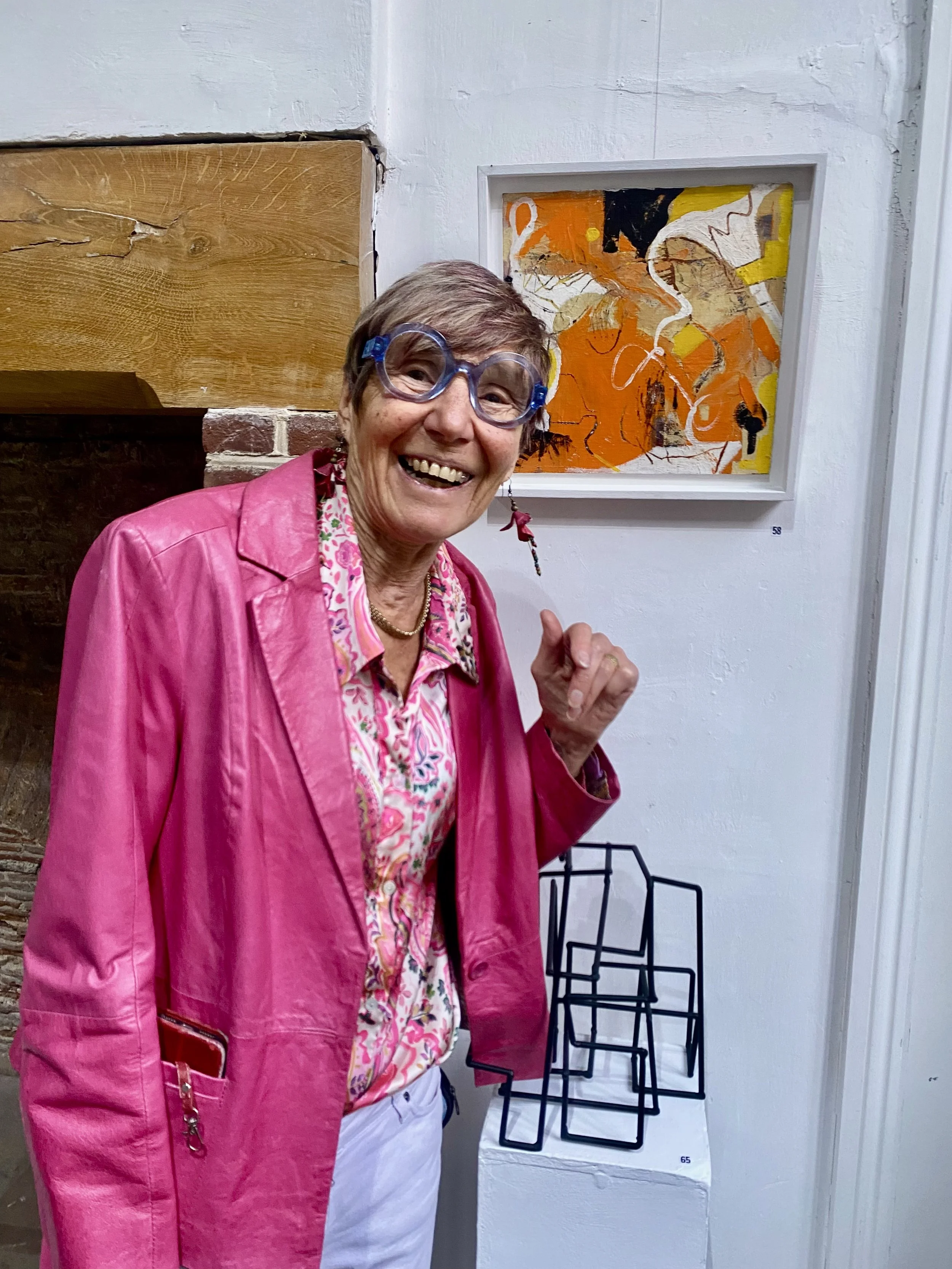
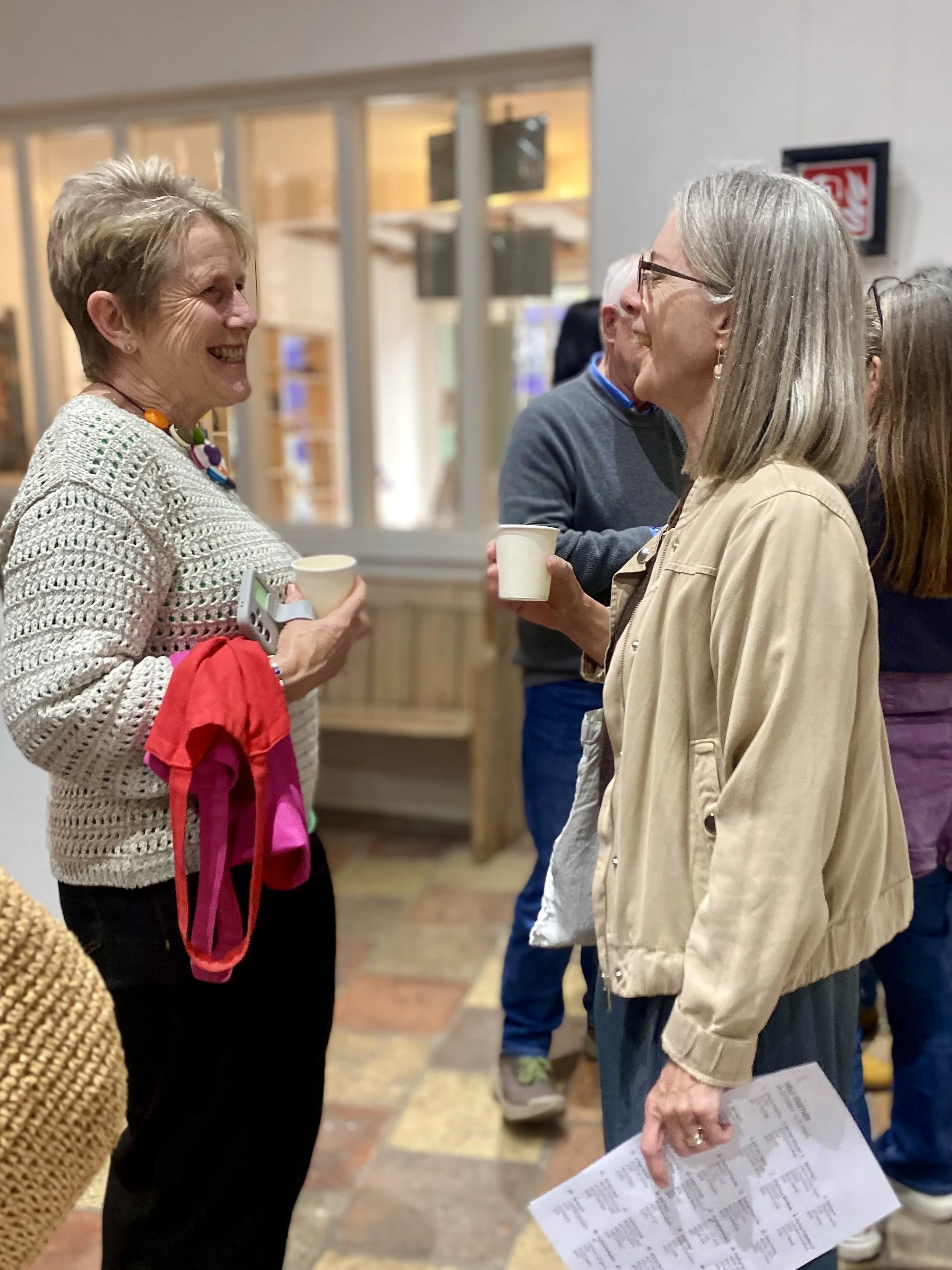
Anteros Arts Foundation was filled to capacity last night with a vibrant crowd of art enthusiasts, collectors, and community members celebrating ncas’ members Held Together exhibition.
As part of ncas’ 70th anniversary events’ programme, Held Together showcases 70 selected small-scale artworks where intimate details, delicate craftmanship, and powerful ideas unfold within modest dimensions.
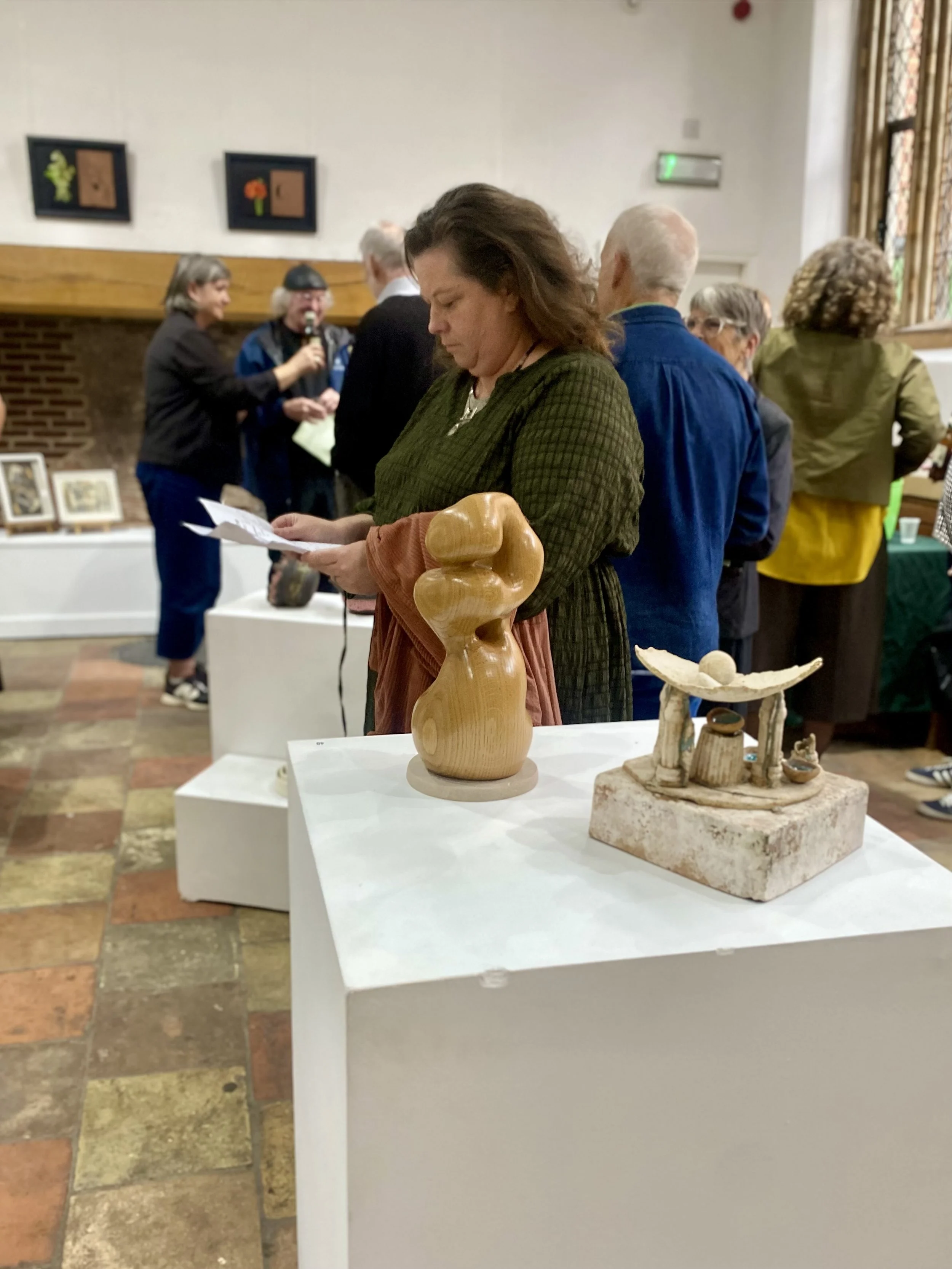
Held Together continues at Anteros Arts Foundation 11-15 Fye Bridge Street NR3 1LJ until 11 October.
The Gallery is fully accessible and open Monday to Saturday 1000 to 1700 and Sunday 1000 to 1600.