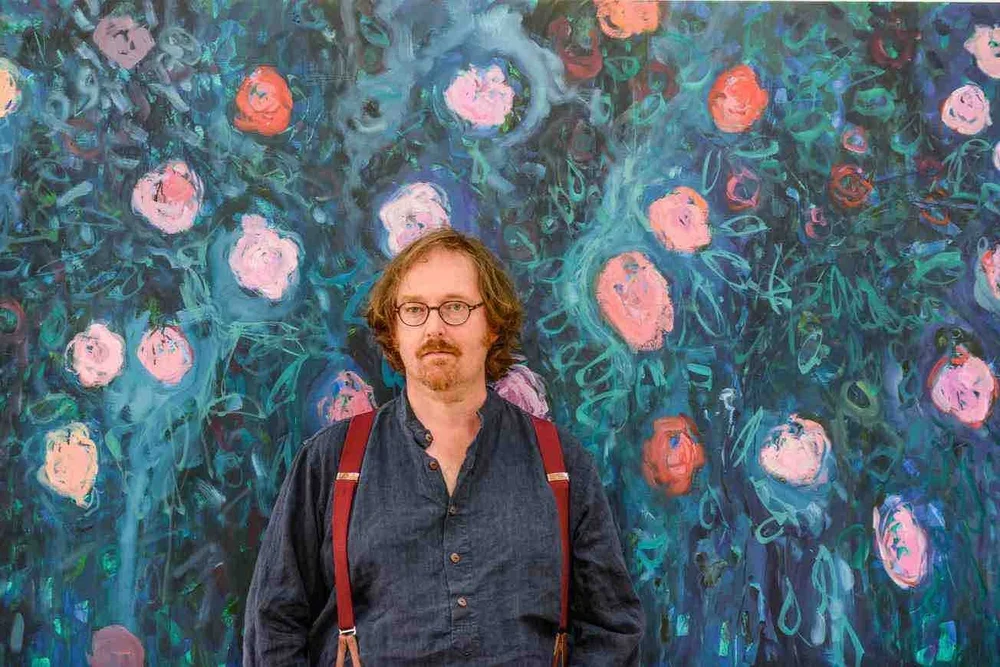
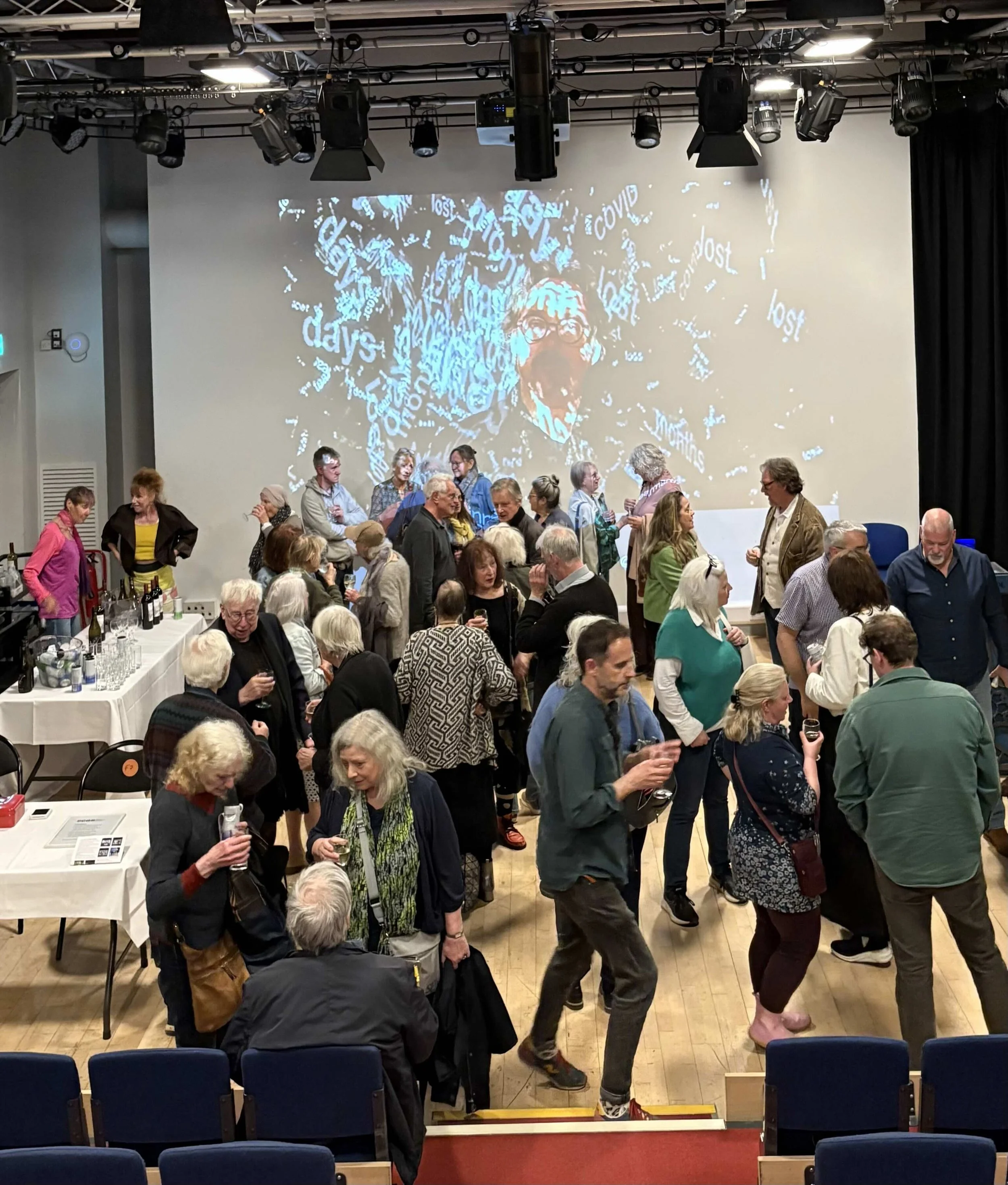
“I make painting. Painting makes me”. True to his Northern roots, artist Martin Kinnear’s no-nonsense assertion was the perfect introduction to his wide-ranging and honest talk about his personal relationship with art, touching on learning, self-discovery and acceptance. The highly appreciative ncas audience was immediately hooked.
“Painting is an agreement between the artist and viewer”
Kinnear candidly admits he never intended to be a painter. Brought up on council estate in Burnley, Lancashire in the early 70s, he moved to London and trained as an advertising copywriter, eventually working with agencies such as M&C Saatchi. During breaks at work, he’d visit the National Gallery which was close to his workplace.
At the gallery, he was particularly fascinated by Turner’s The Fighting Temeraire, depicting the ship’s final voyage tugged to the breaker’s yard. To Kinnear, Turner’s idealised treatment of the subject was a perfect lesson in story-telling as, by then, the ship was a decaying hulk - not the ghostly, masted vessel depicted. It dawned on him that painting was not just “craft” to be mastered. It could be “theatre”. He says The Fighting Temeraire “gave me permission to paint; to tell my truth”.
Armed with the knowledge that young children could be trained how to paint (check out Cennini’s 15th C Il Libro dell’Arte - The Craftsman’s Hand Book), Kinnear embarked on teaching himself. However, rather than following the conventional route of taking art classes, he doggedly studied back issues of the National Gallery’s Technical Bulletins, so learning the process and techniques of renaissance, baroque and early modern oil painting, which he eventually mastered.
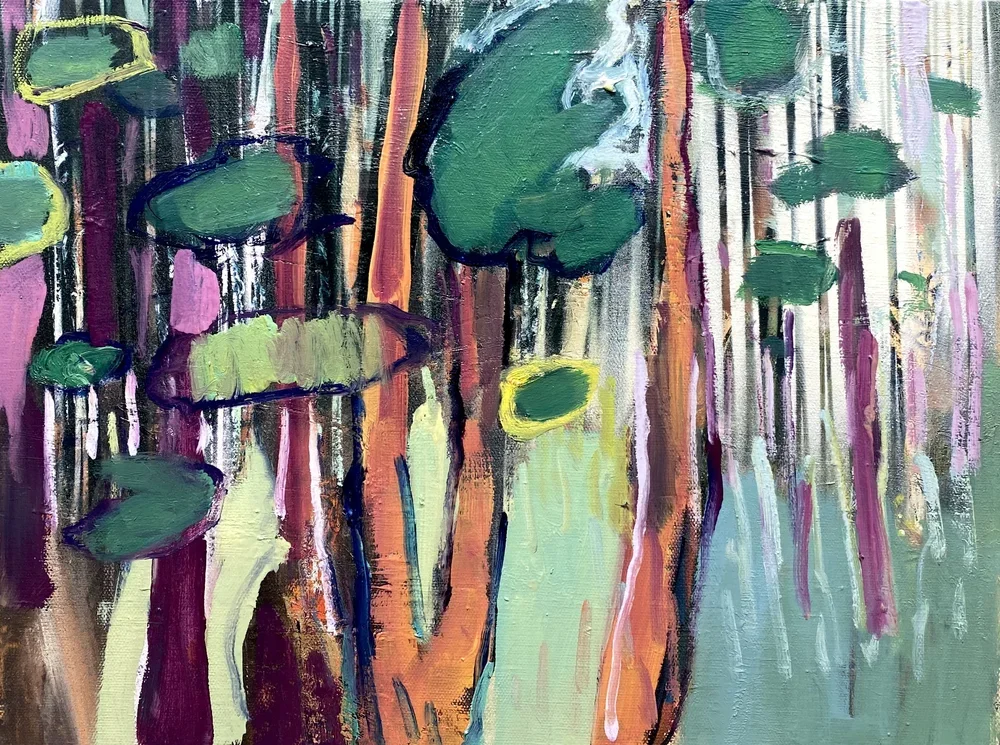
“The places we make, come over time to make us”
Kinnear’s artistic style takes inspiration from a variety of periods dating back to the Renaissance. He says all his work is concerned with place and value. Colour comes after. He insists “Paint a picture about never of”. He maintains “every picture is a self-portrait”.
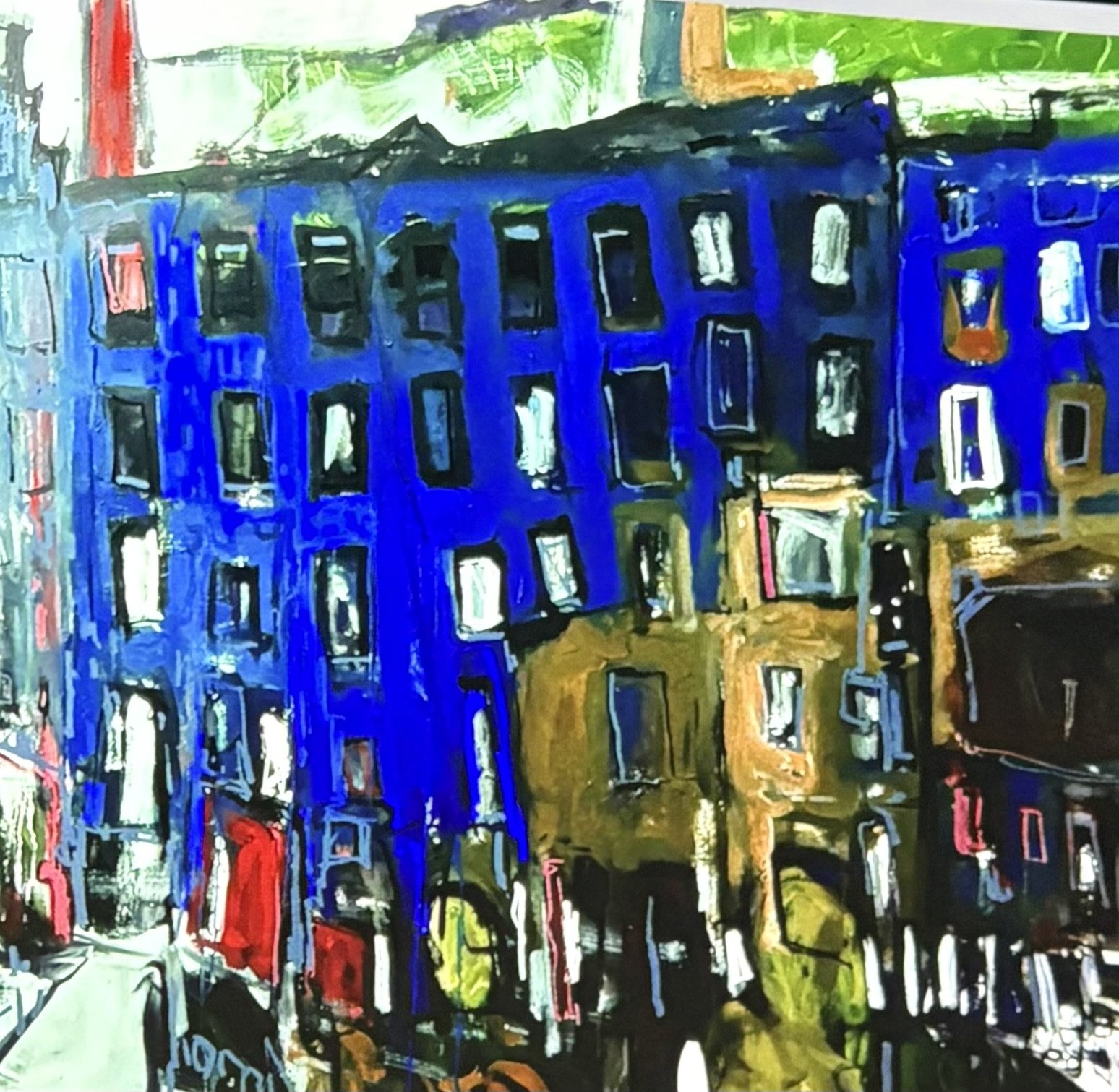
He takes huge inspiration from the north of England - the place which made him - its industrial past and the post-industrial present. His show Beyond Here, 2018 was a dialogue between memory and reality reflecting on the landscape of his childhood through the lens of half a lifetime away. In the same year, his painting Burnsall Winter won him the prestigious Medaille d’Argent for peinture at the Societie Nationale des Beaux Arts Paris Salon.
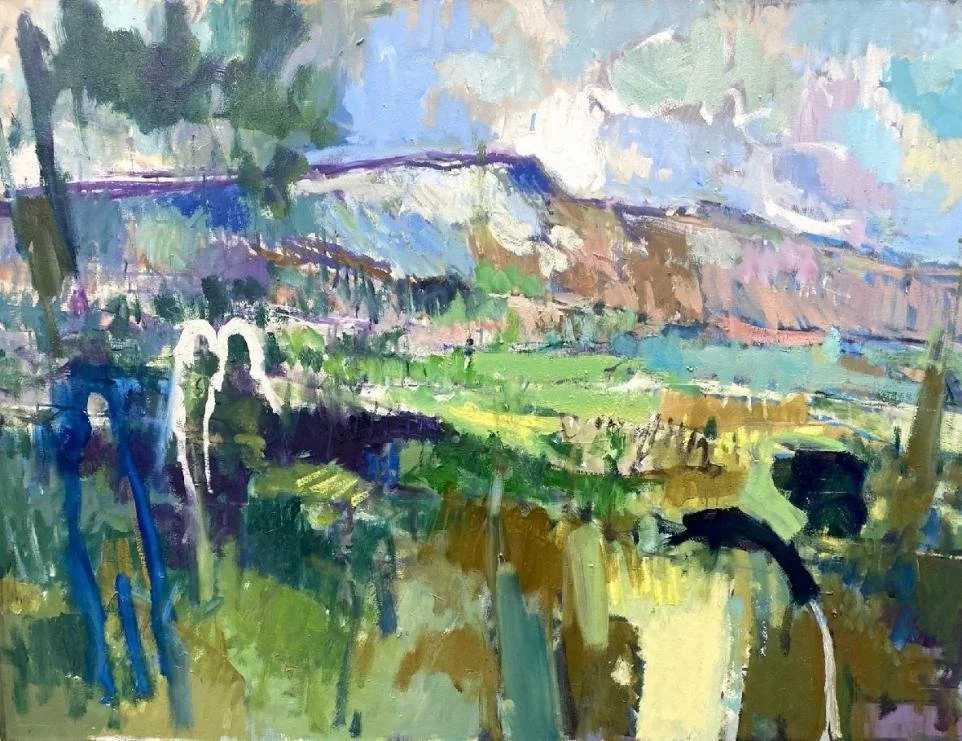
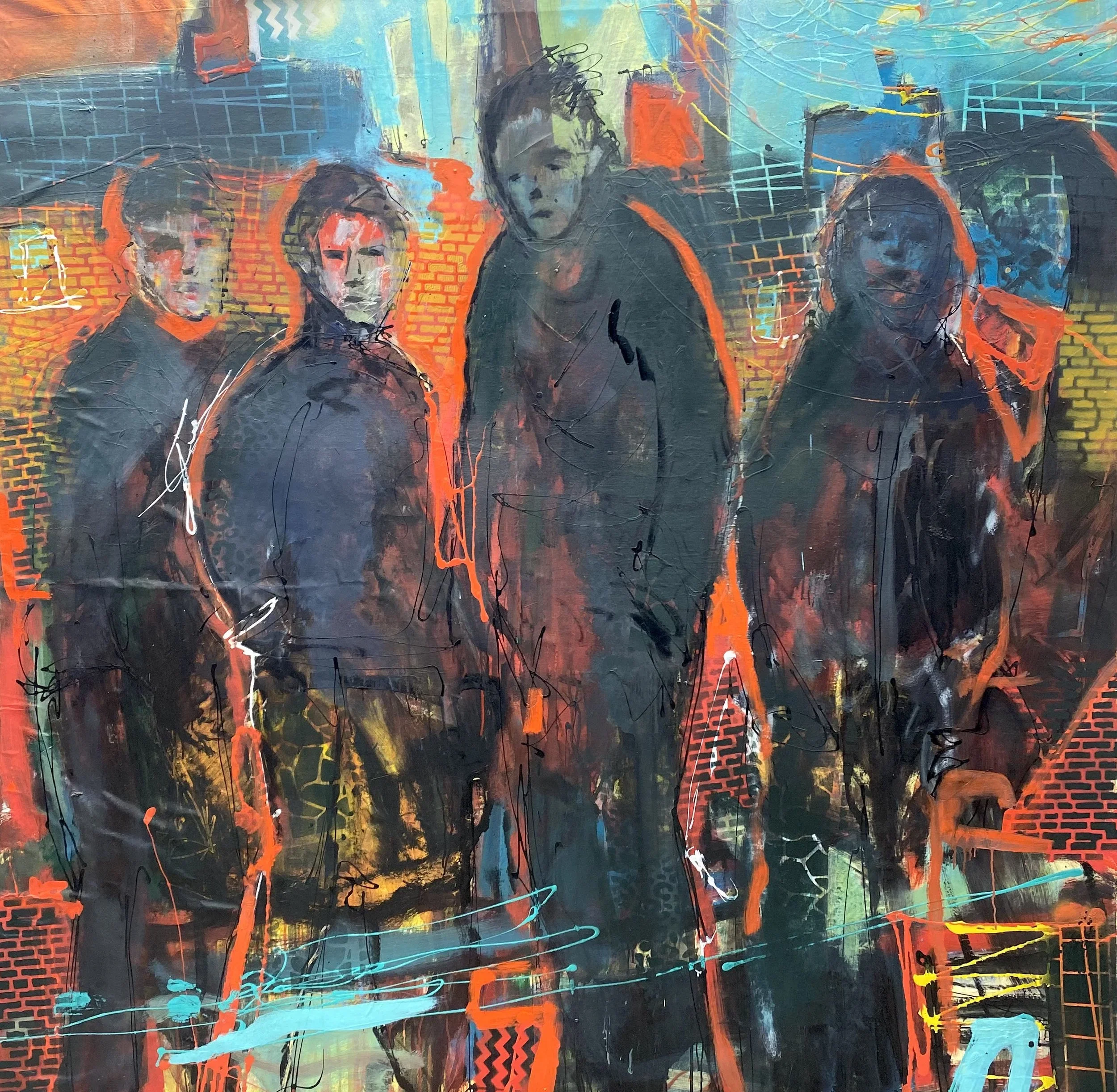
Following the election of Boris Johnson as PM in 2019 and the inception of the government’s ‘levelling up’ agenda, Kinnear pointedly sent Johnson visuals of his bleak and often angry works of post-industrial Lancashire to remind him of the task in hand. Somewhat unexpectedly his work, Bins, Backstreet Burnley, was duly selected for the Government Art Collection and hung in Downing Street.
Post pandemic in 2022, Kinnear’s major public gallery solo show Regeneration, once again depicting his beloved Northern landscape and urban scenes was about beauty, hope and the power of contemplation. The following year, Elegy for the Dales showed how places we make, come over time to make us.
“If you know how it ends, don’t start it”
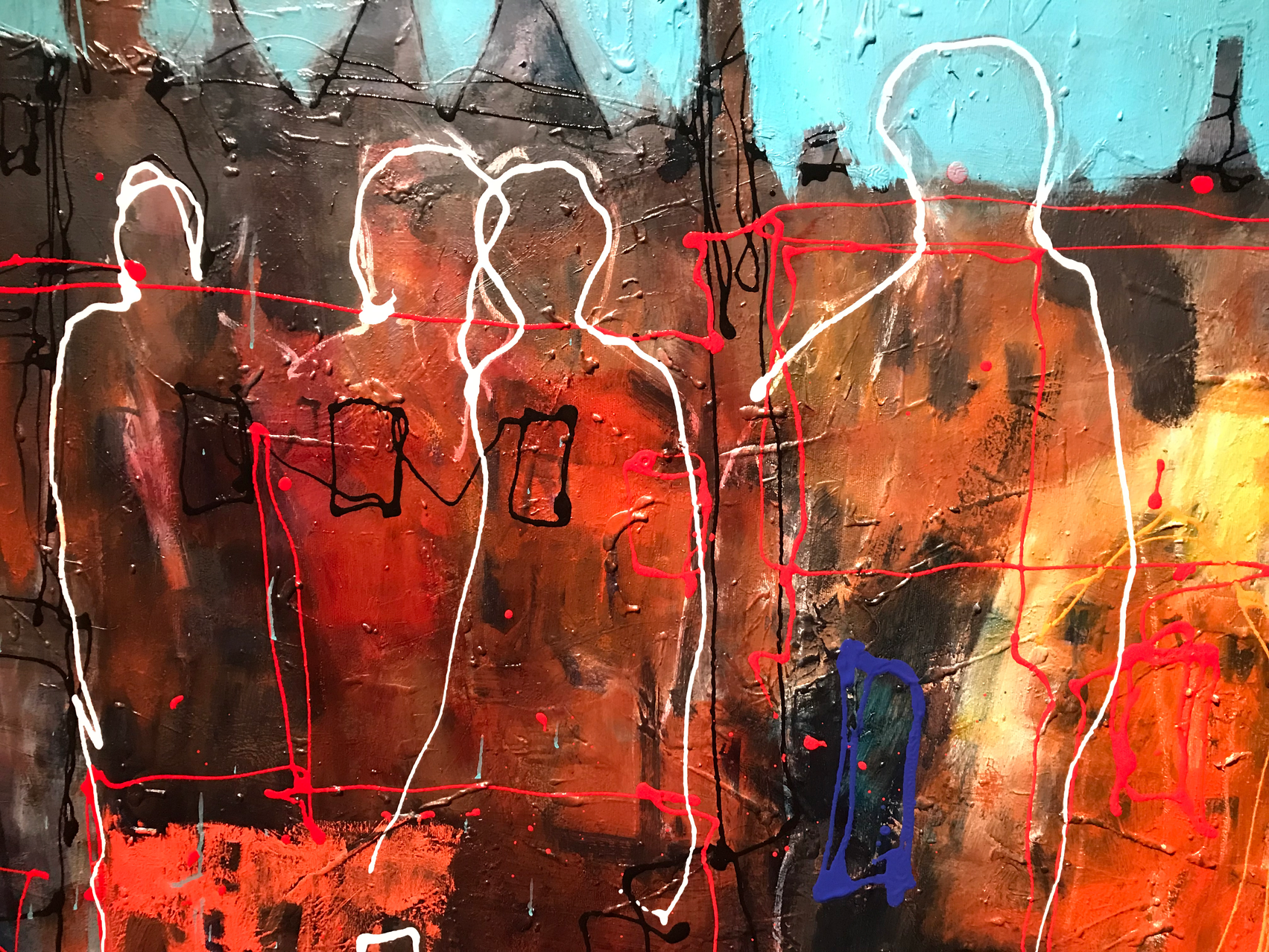
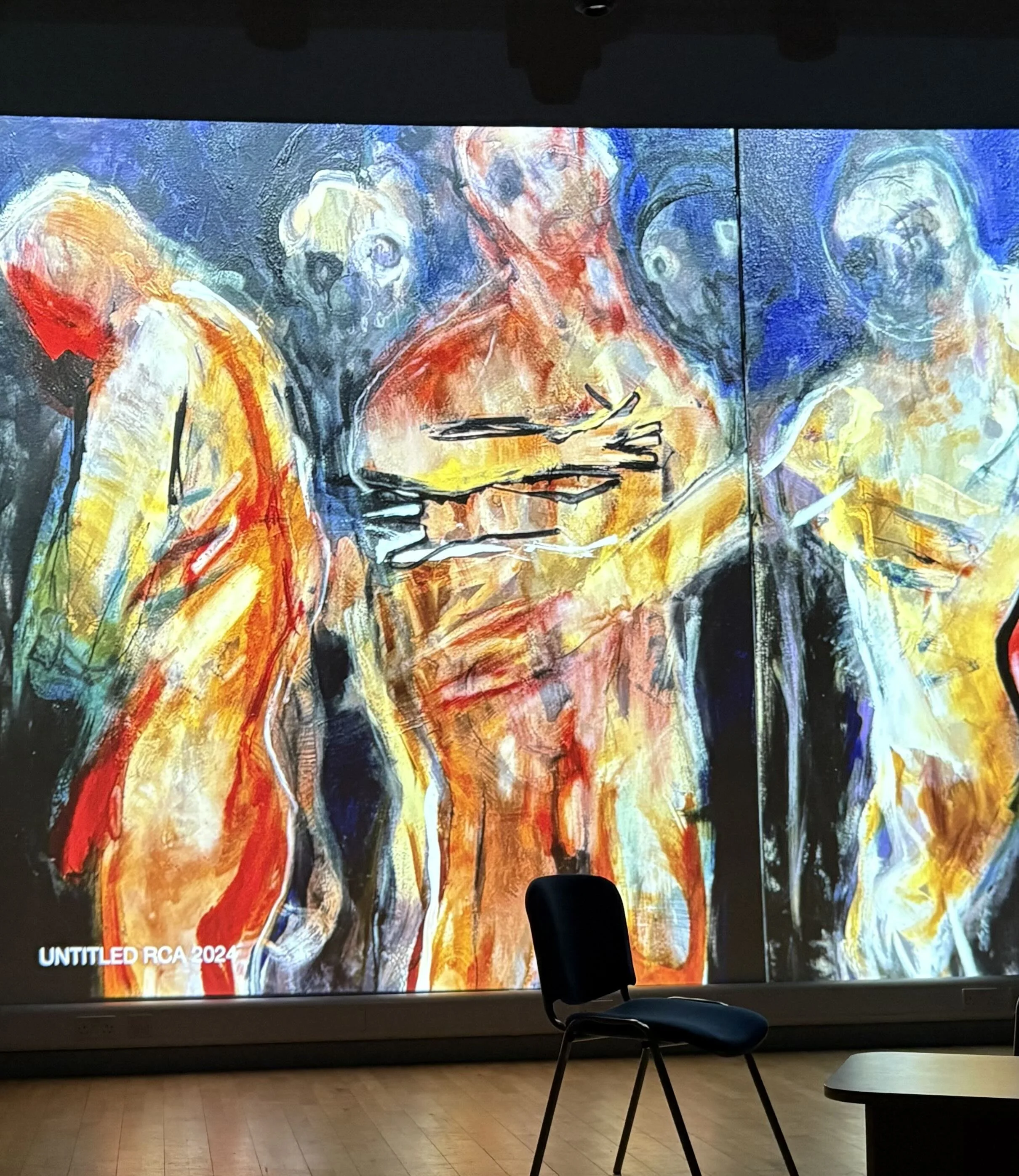
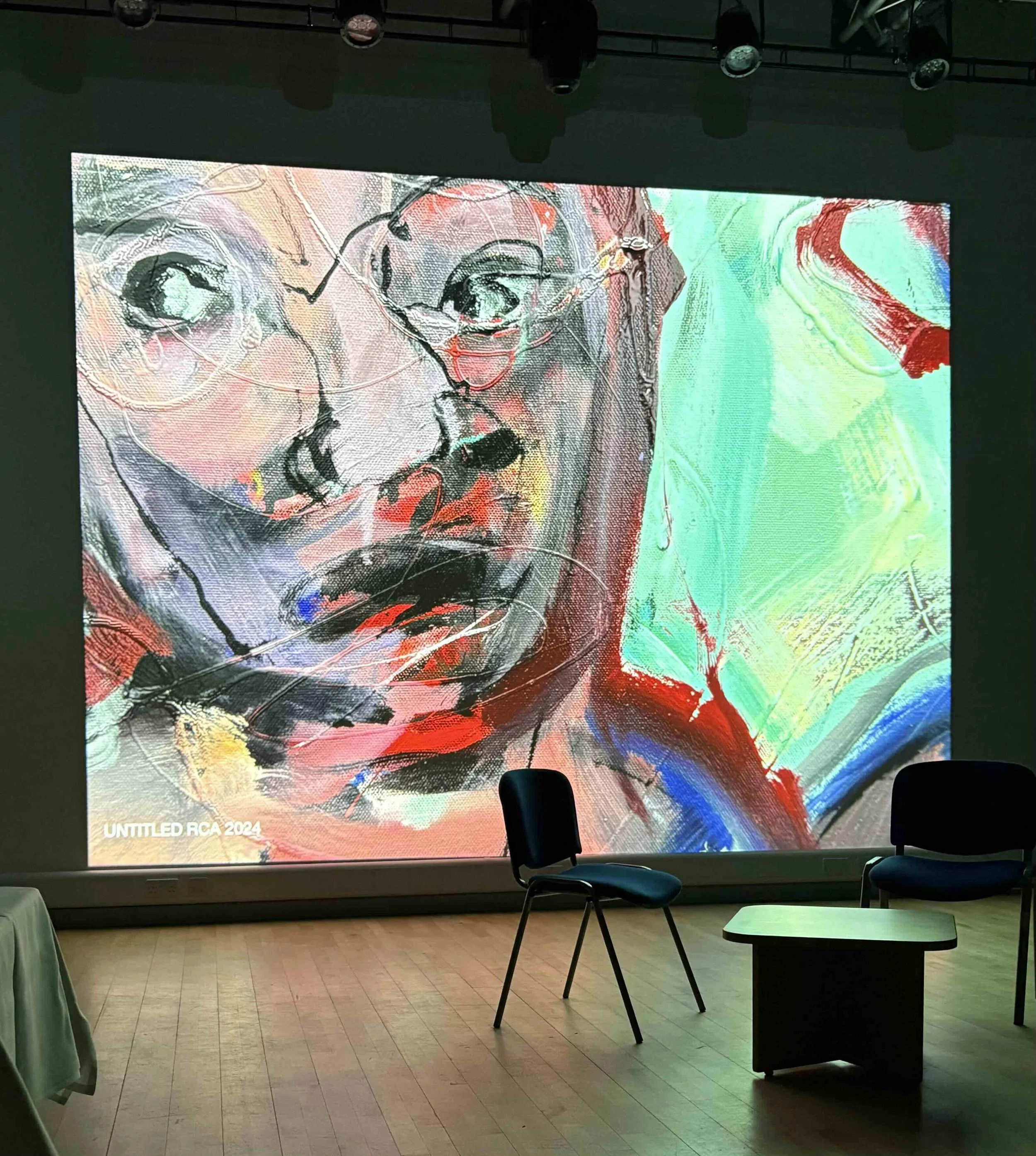
Throughout his professional career, Kinnear’s practice has developed through an ongoing engagement with painting as both a physical and intellectual activity. His practice is grounded in the belief that painting is not simply a means of presenting an image, but a material process through which thought becomes visible.
The surface is approached as a site of negotiation between intention and the resistant, often unpredictable behaviour of paint itself, where meaning emerges through revision, persistence, and sustained looking. What matters is not only what is depicted, but how the image comes into being, how structure is discovered, tested, and reconfigured through the act of painting itself.
“See. Never look ”
It’s fascinating to reflect that Kinnear chose to teach himself painting solely through reading and experimentation, a very iterative process. He still prefers to work from written notes rather than sketches and photographs, although is now increasingly incorporating digital sketching and visualisation as part of his imagining process.
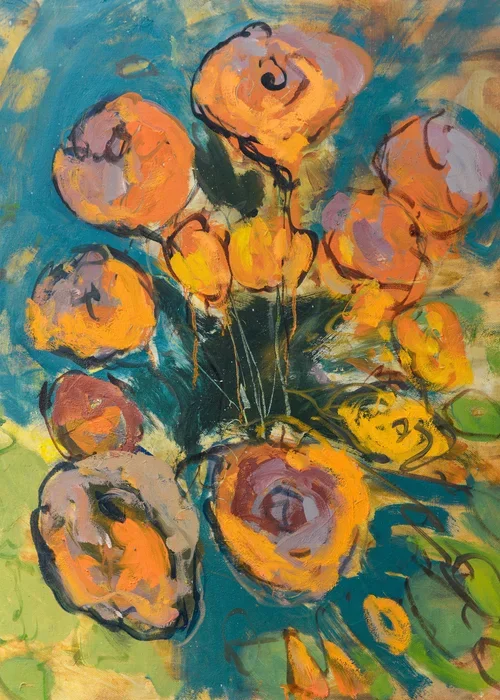
Words are of key importance to his practice. His lyrical and often enigmatic work titles such as Beneath It All, Desire of Oblivion Runs from his 2025 RCA Graduate show or Tell Yourself You Tasted as Many As You Could from The Painted Garden series well demonstrate this. He often uses poetry or even random words as a starting point for his work. He says “I realised the best pictures were in my head rather than the ones I could see”.
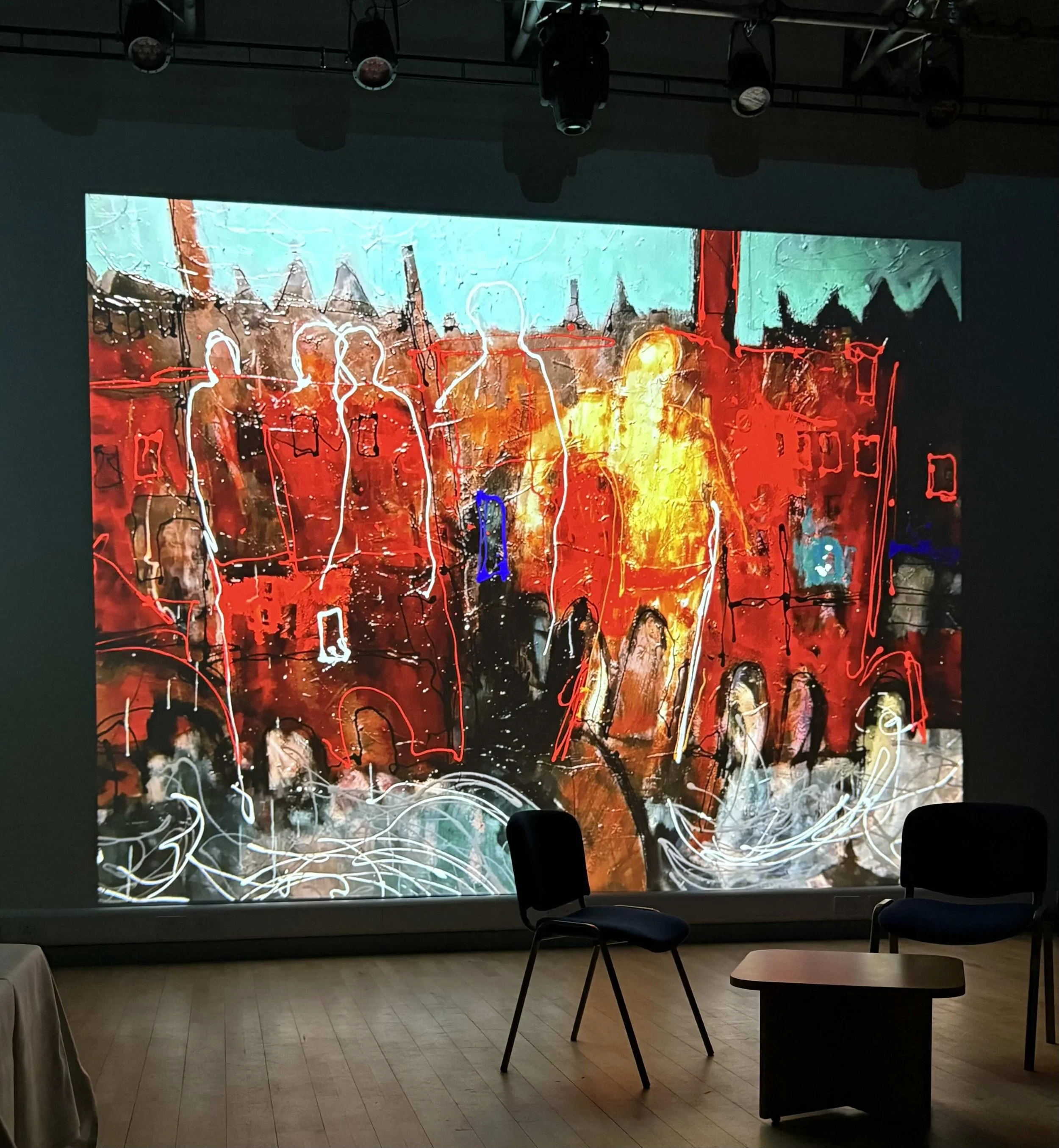
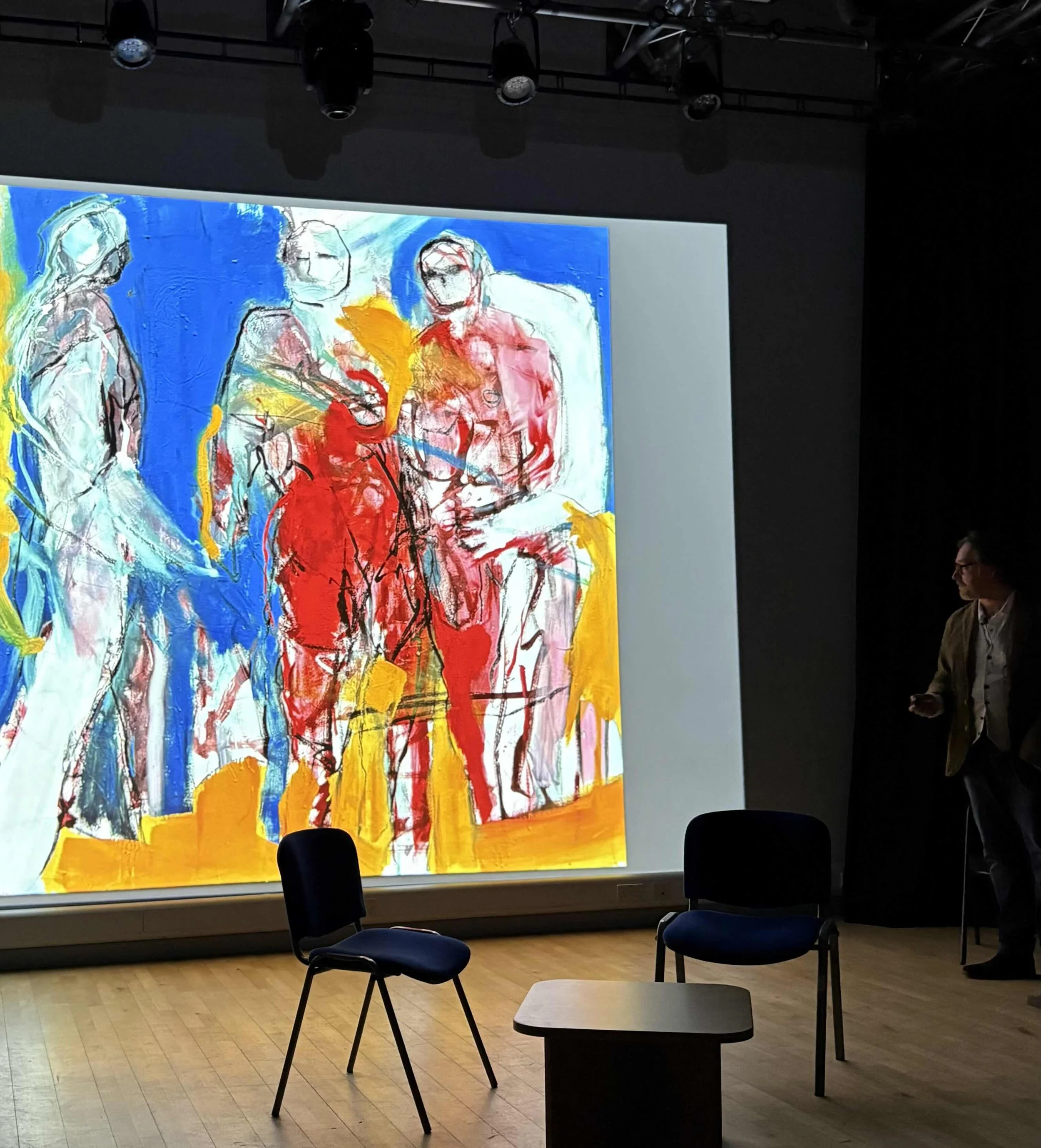
“A slower form of looking ”
A self-confessed life-long learner, teaching is also hugely important to Kinnear. He guest lectures on the MA Painting Program at the Royal College of Art and mentors painters at all stages of their development.
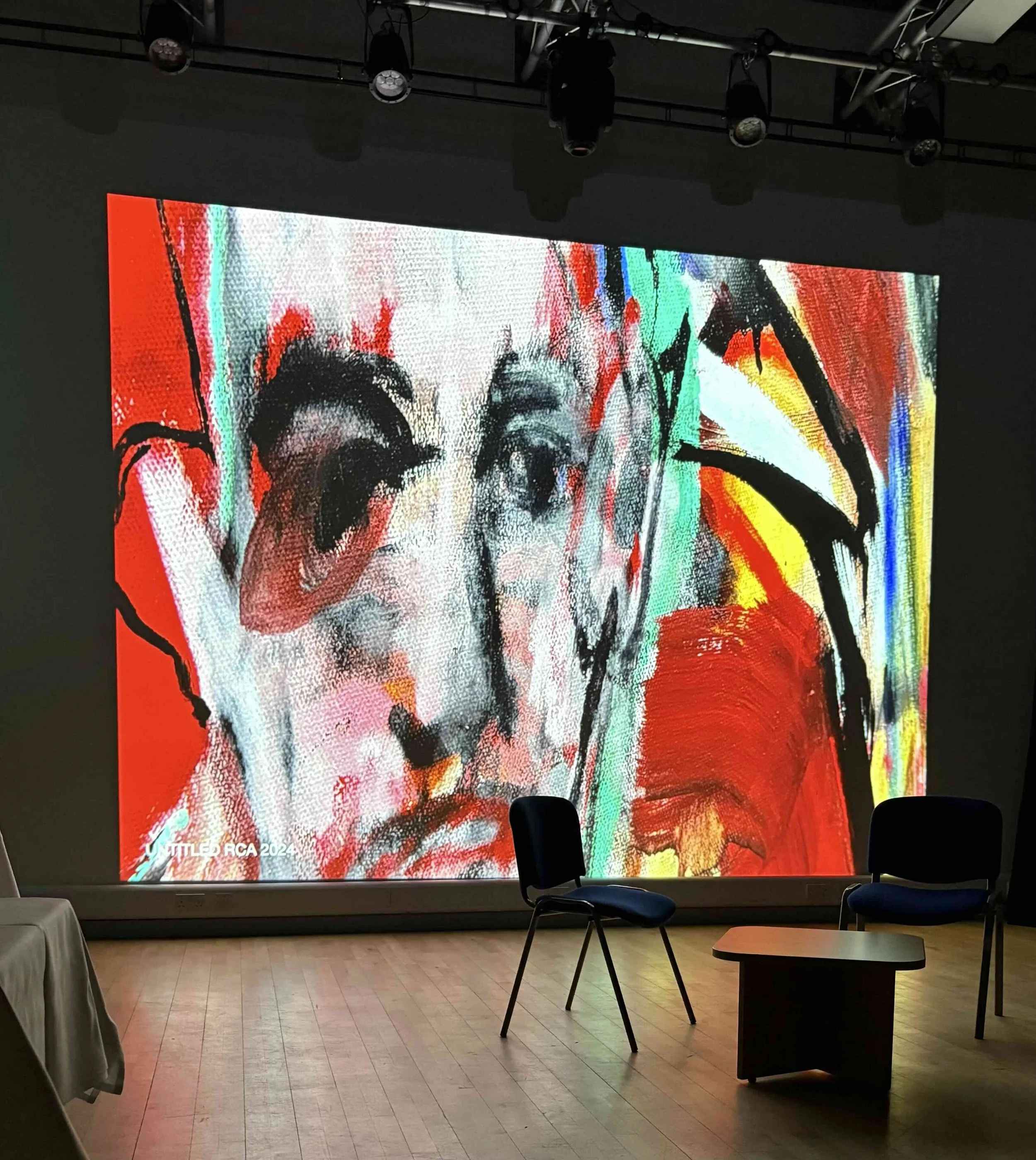
Recently, Kinnear completed his Masters at the RCA in 2025 where his degree Show with its monumental triptych of abstracted figural images explored self-perception, imperfection and change. He is currently the 2026-29 Kossoff Scholar at the Courtauld Institute of Art.
In an interview with Living North magazine Kinnear said “I’ve come to understand that the best paintings don’t tell you what to think, they ask what you think”.
Essentially, his work asks what painting can still do: how materially intelligent surfaces might hold duration, register attention, and invite a slower form of looking.
In an age of instant soundbites, spin doctors and influencers, Kinnear invites us to slow down. To be curious. To see, never just look. We do well to accept this challenge.
ncas would like to thank Martin for his superb presentation and Norwich School for their excellent hosting of the event.
For more information on Martin Kinnear, click www.martinkinnear.com
@kinnearmartin