Norwich Cathedral’s Benedictine heritage explored in new outdoor exhibition

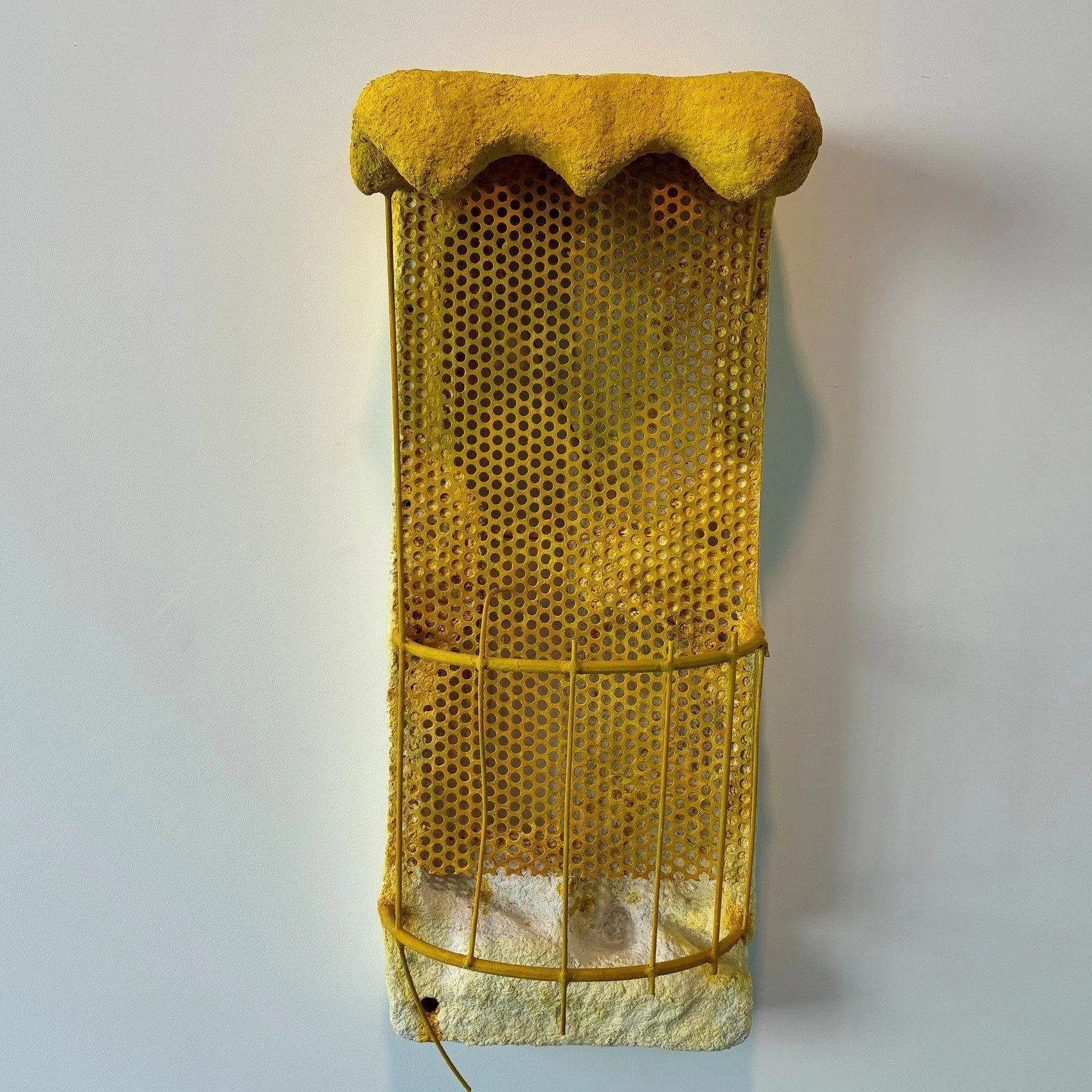
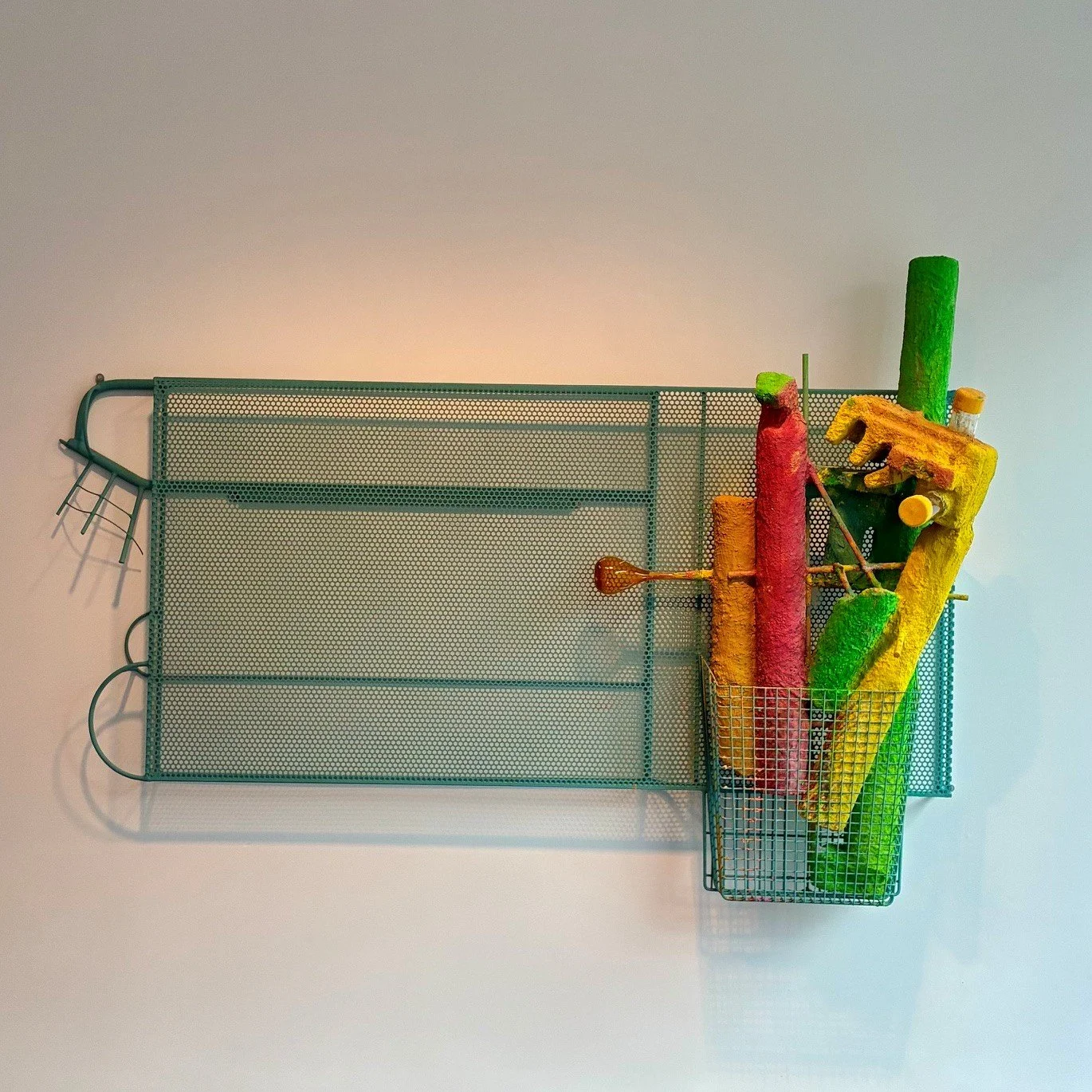
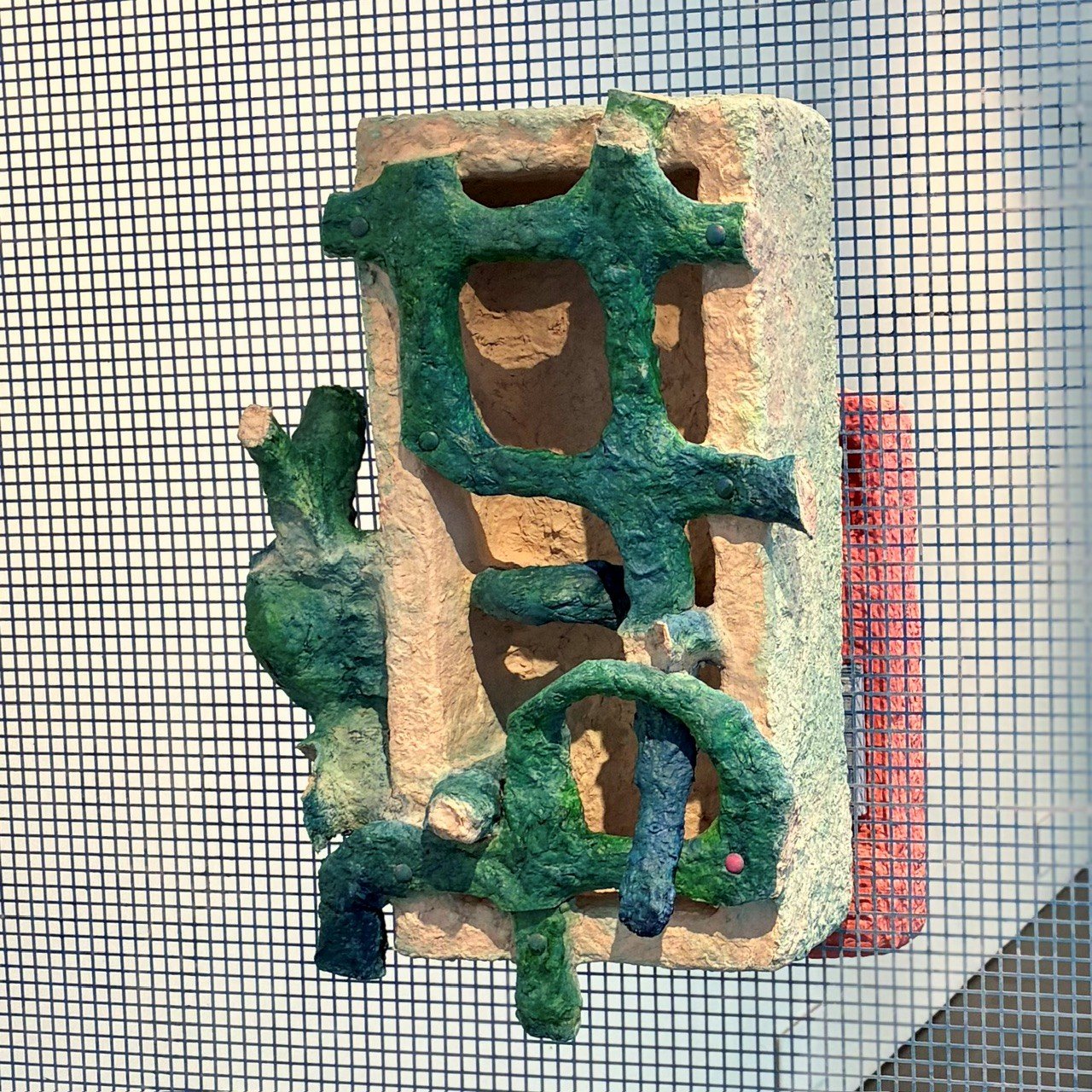
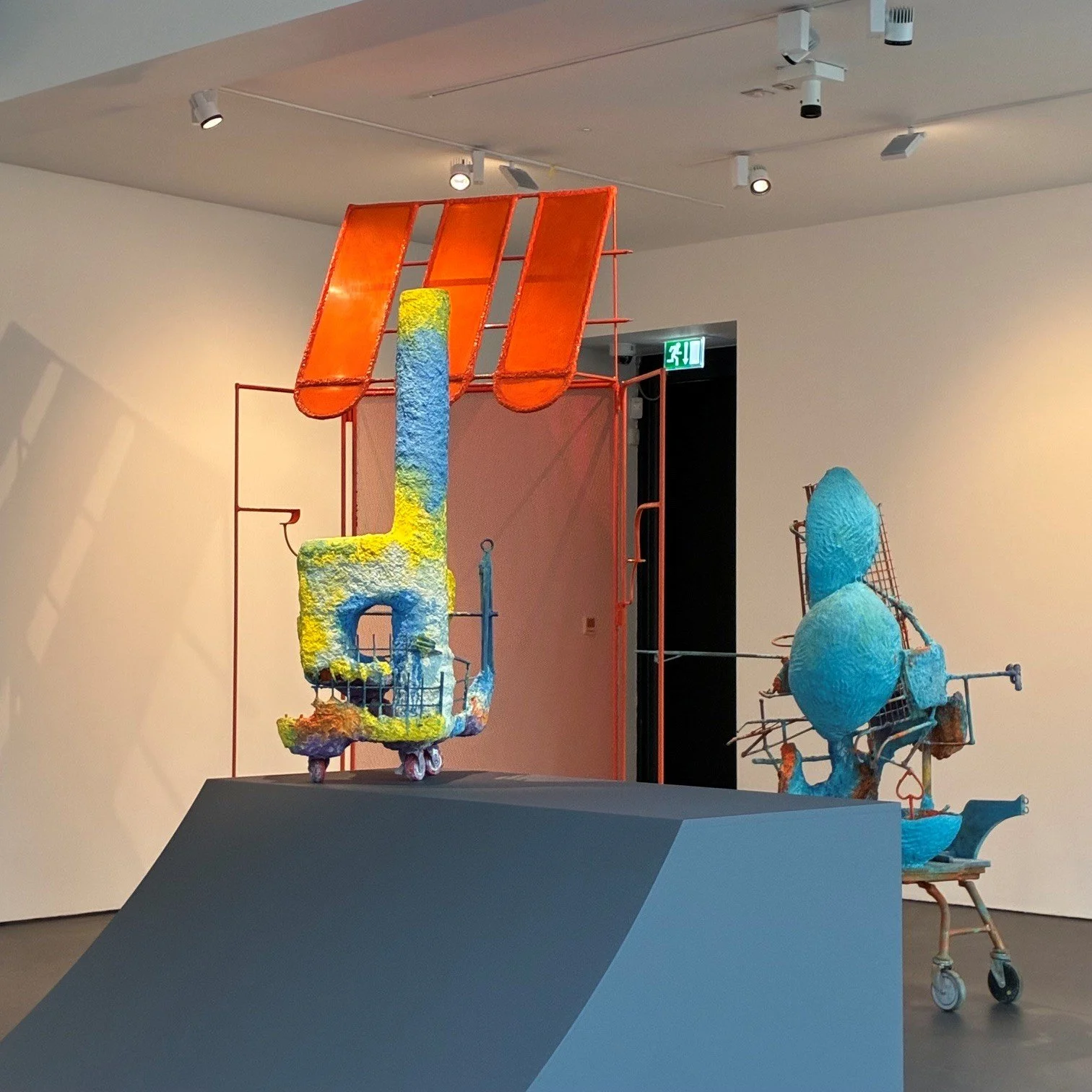
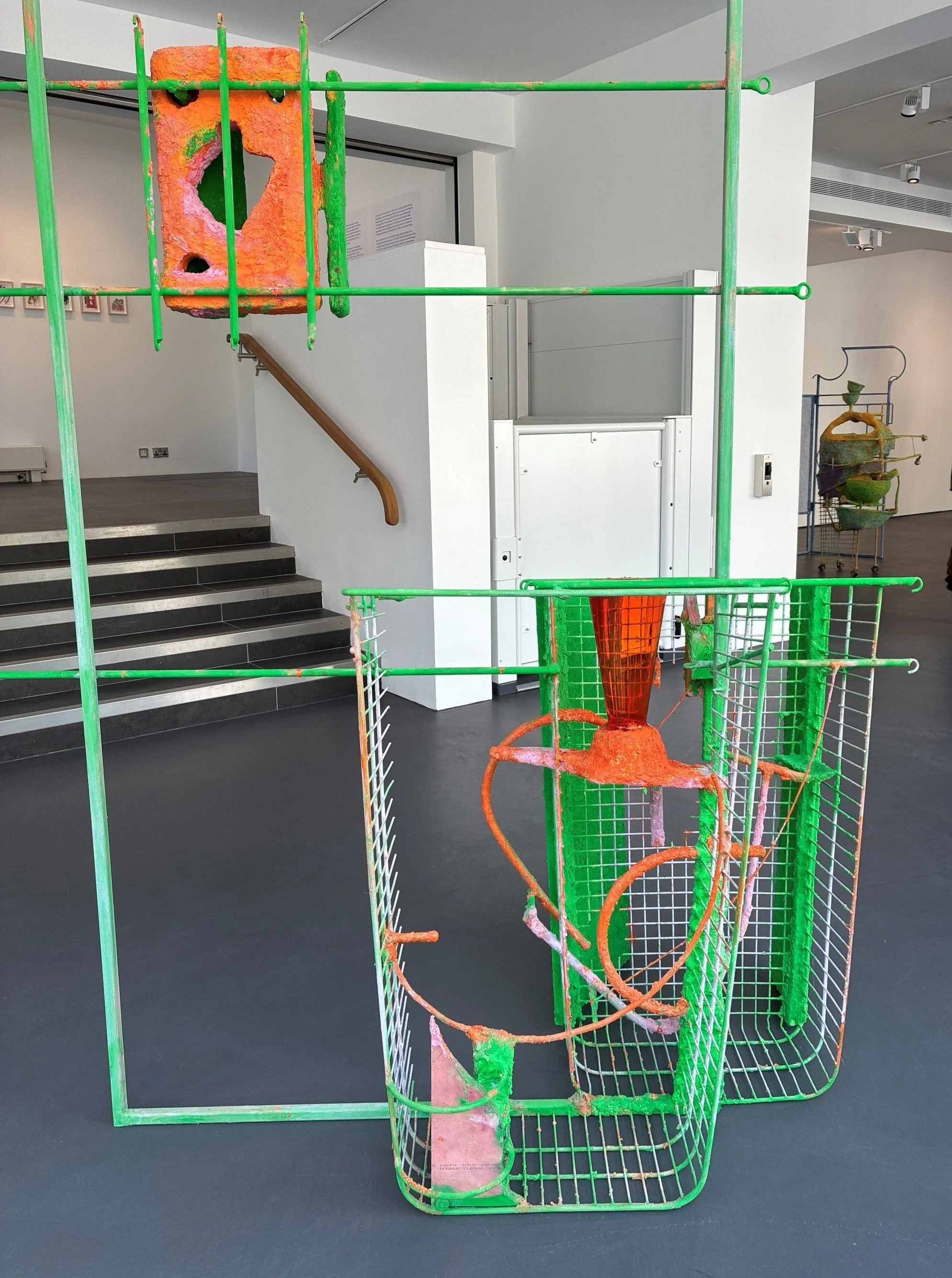
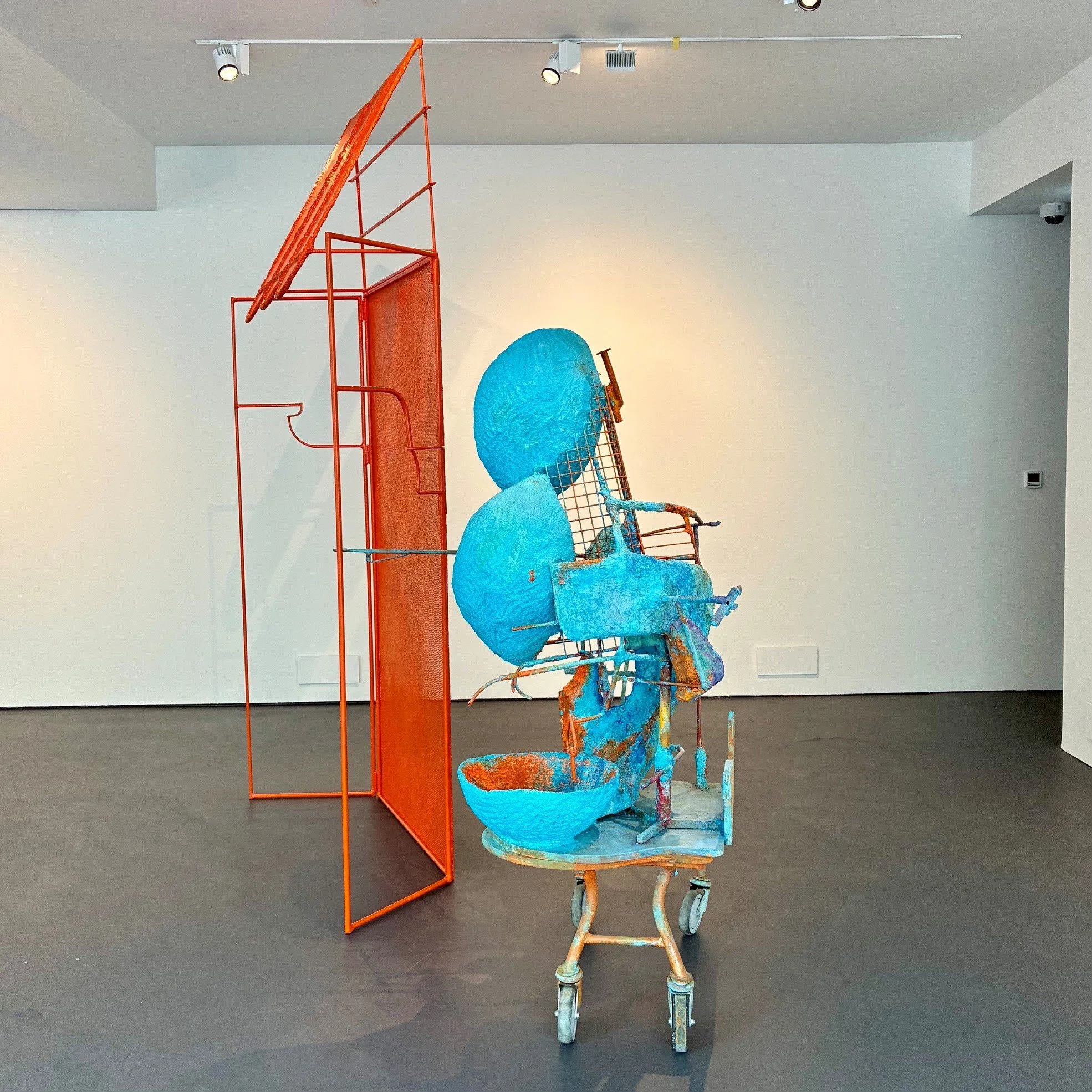
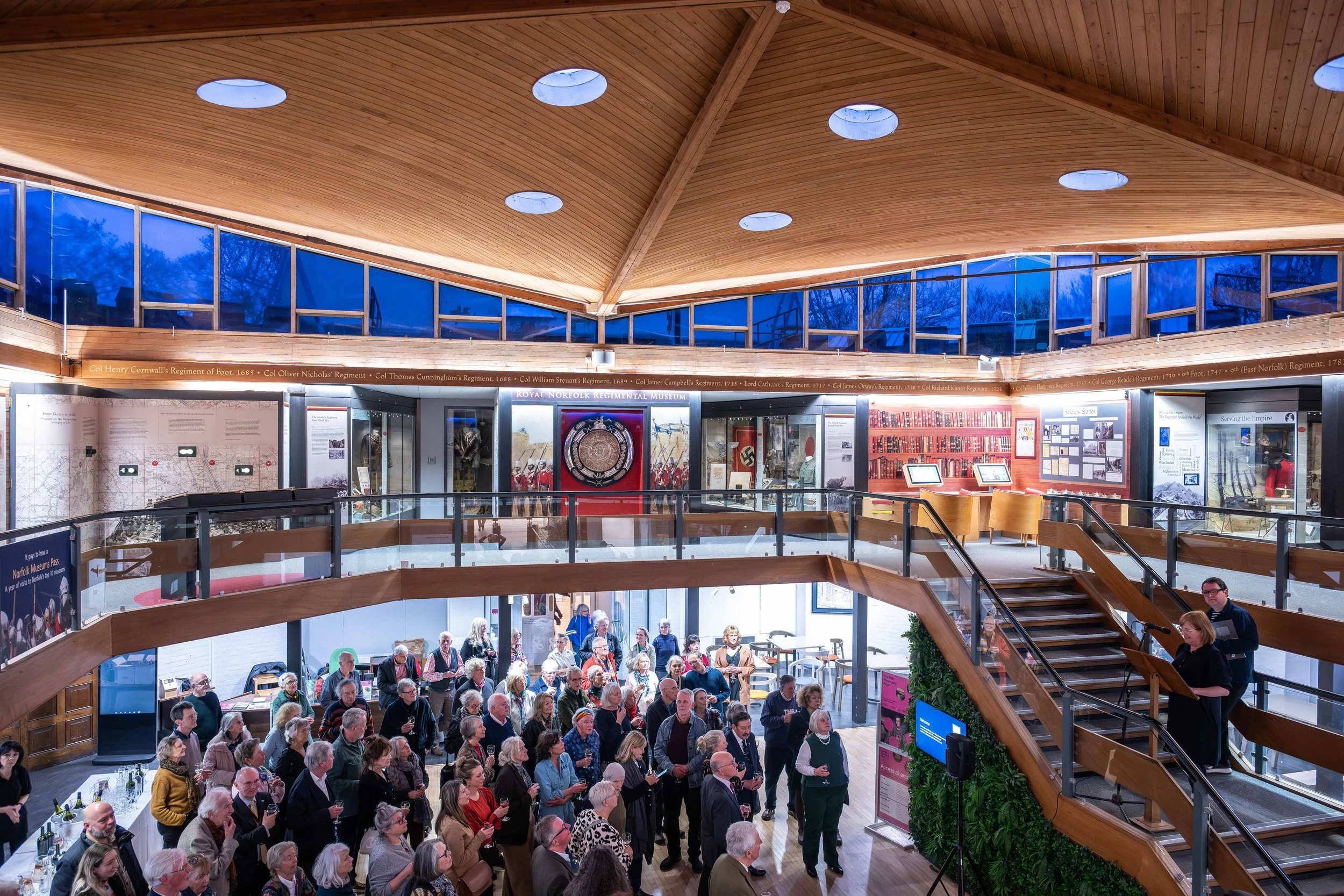
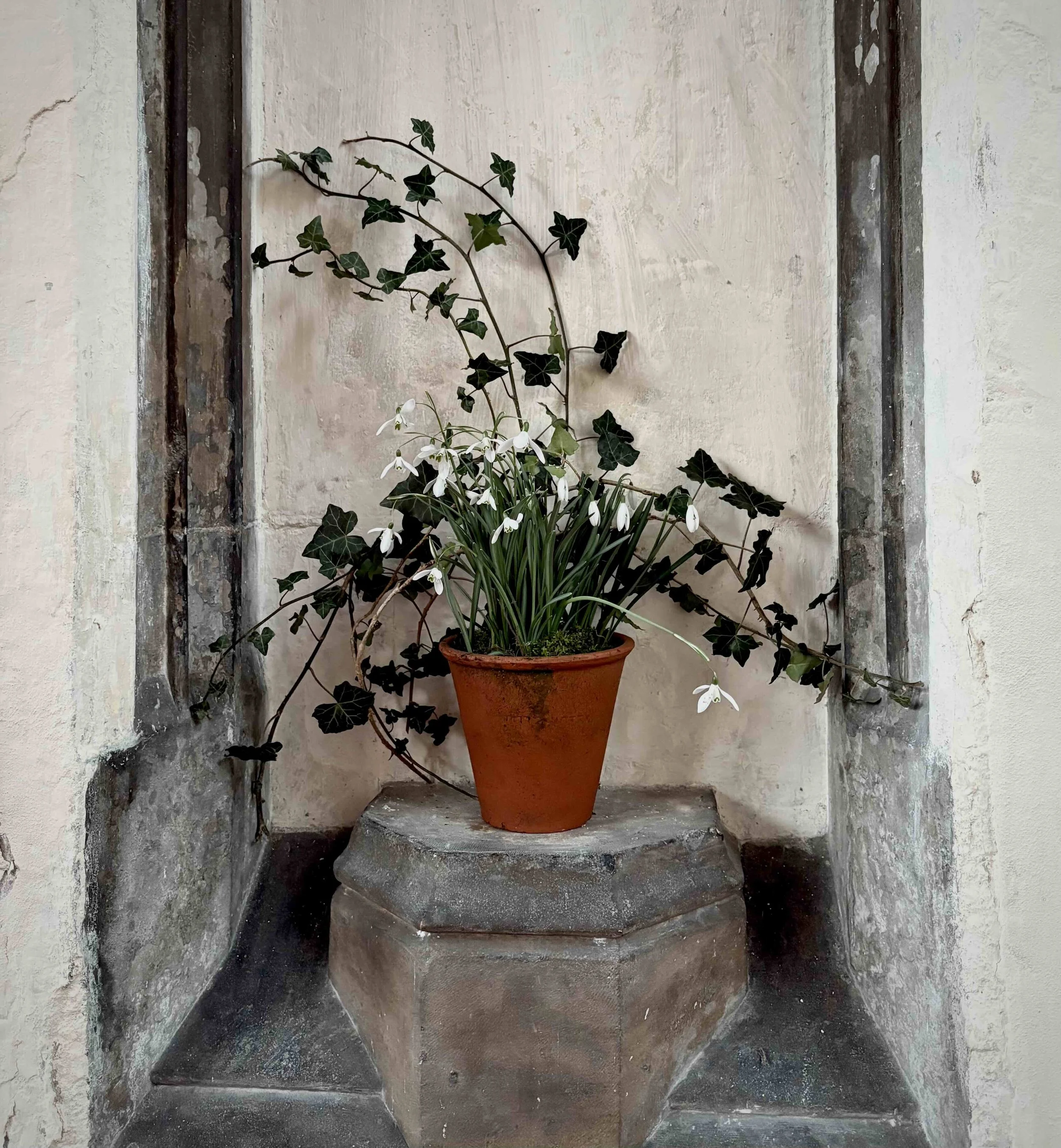
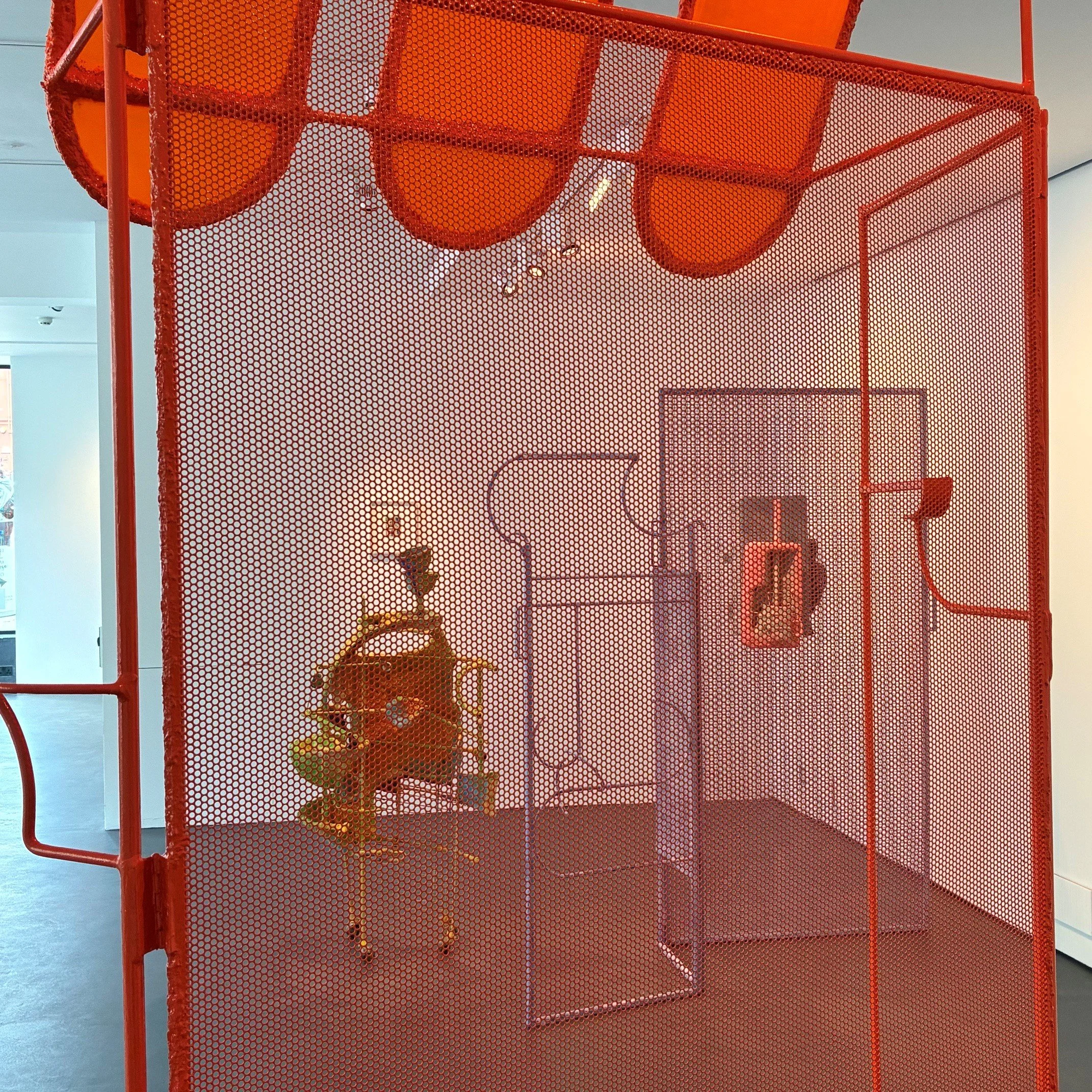
Norwich Cathedral’s beginnings as a Benedictine monastery continue to inspire life at the Cathedral in the 21st century, and a new open-air art exhibition the Benedictine Art Project, explores the Cathedral’s Benedictine heritage past and present through a series of specially commissioned installations.

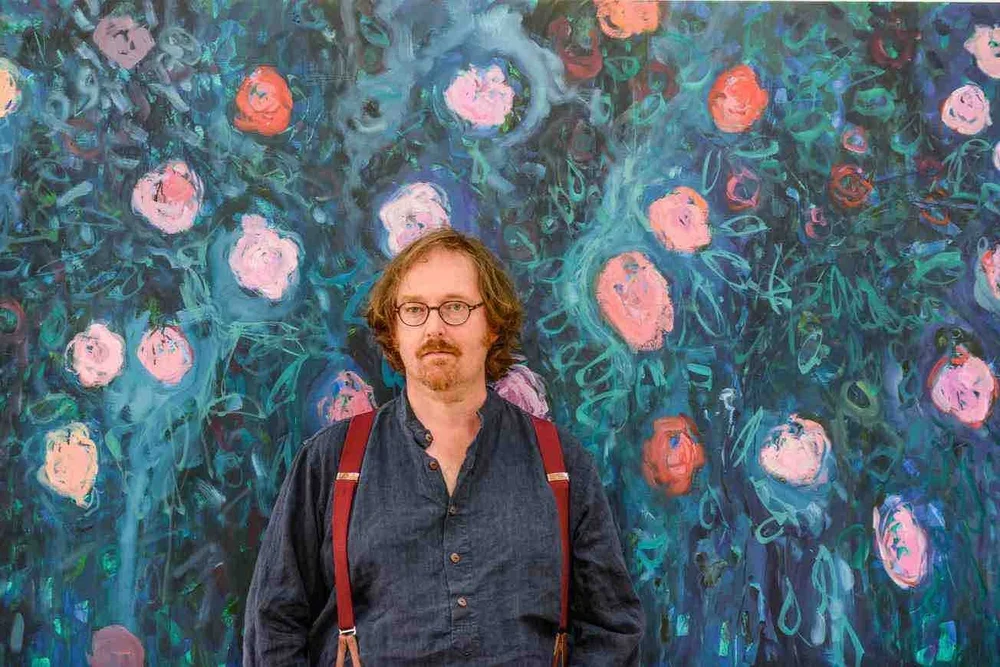
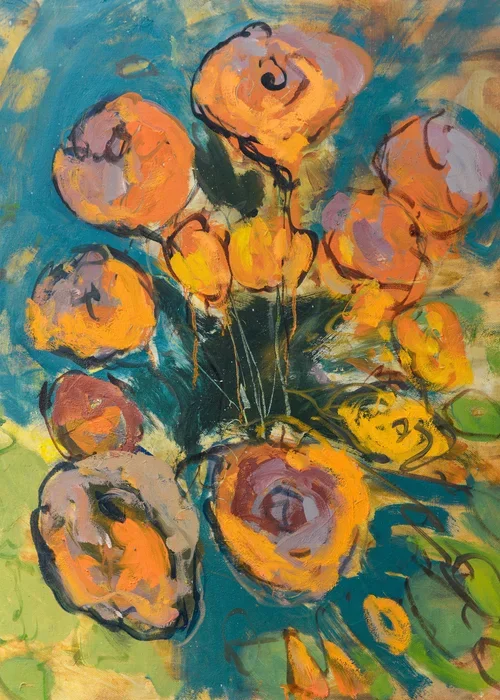
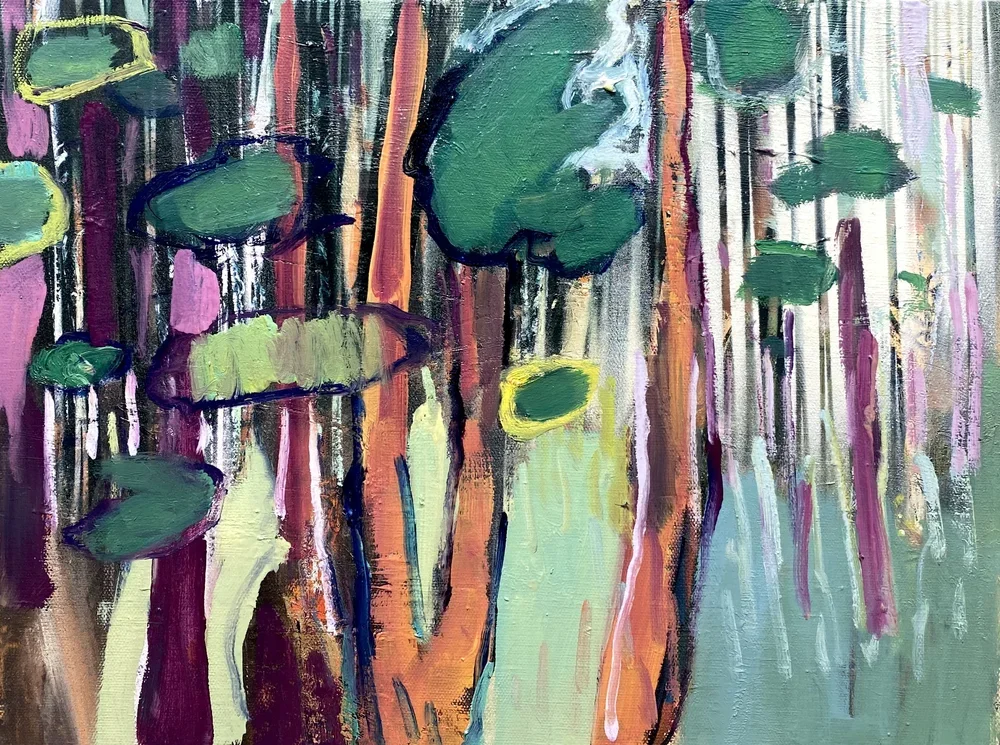
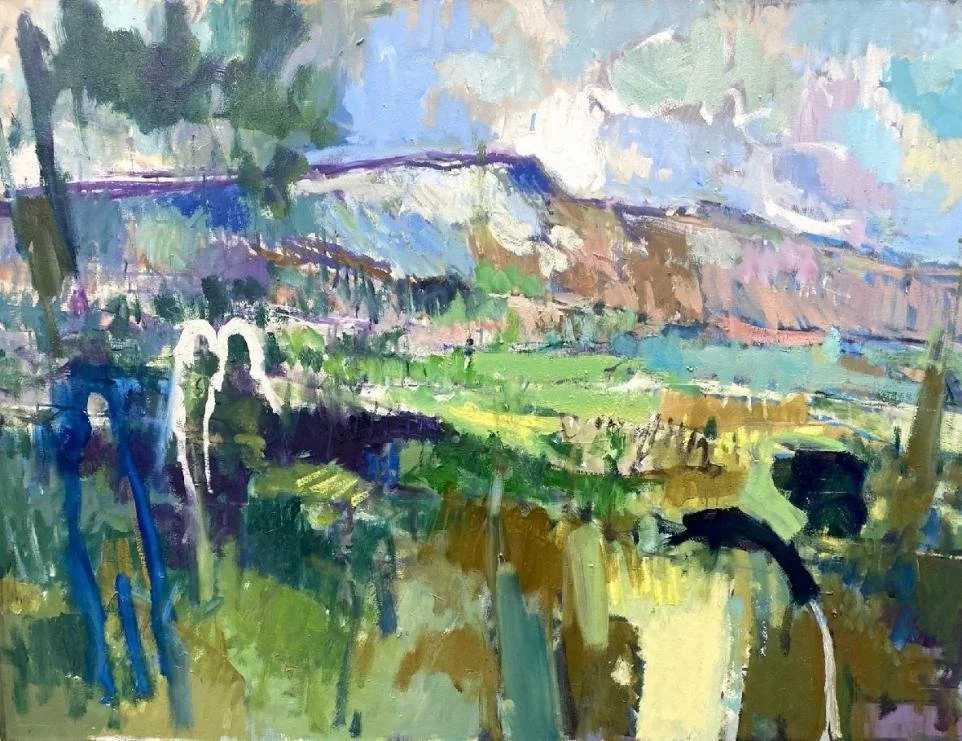
Three artists have teamed up with three local charities to create the artworks which reflect the Benedictine themes of healing and wholeness, hospitality and contemplative learning.


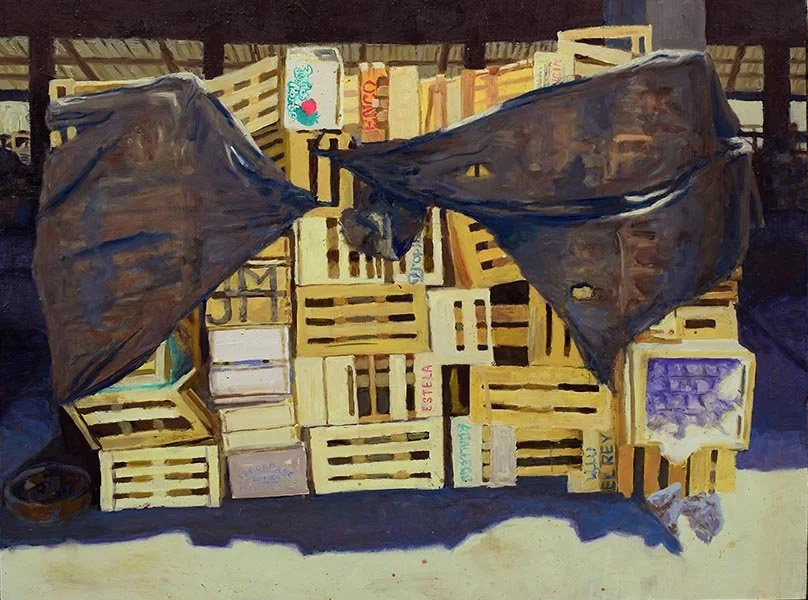
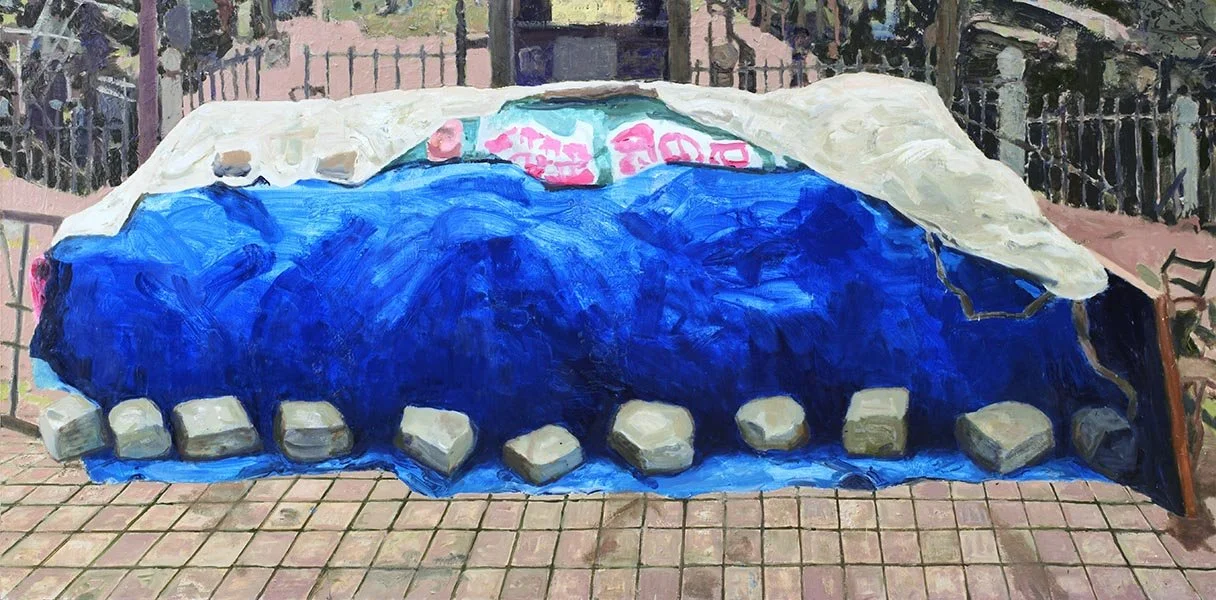
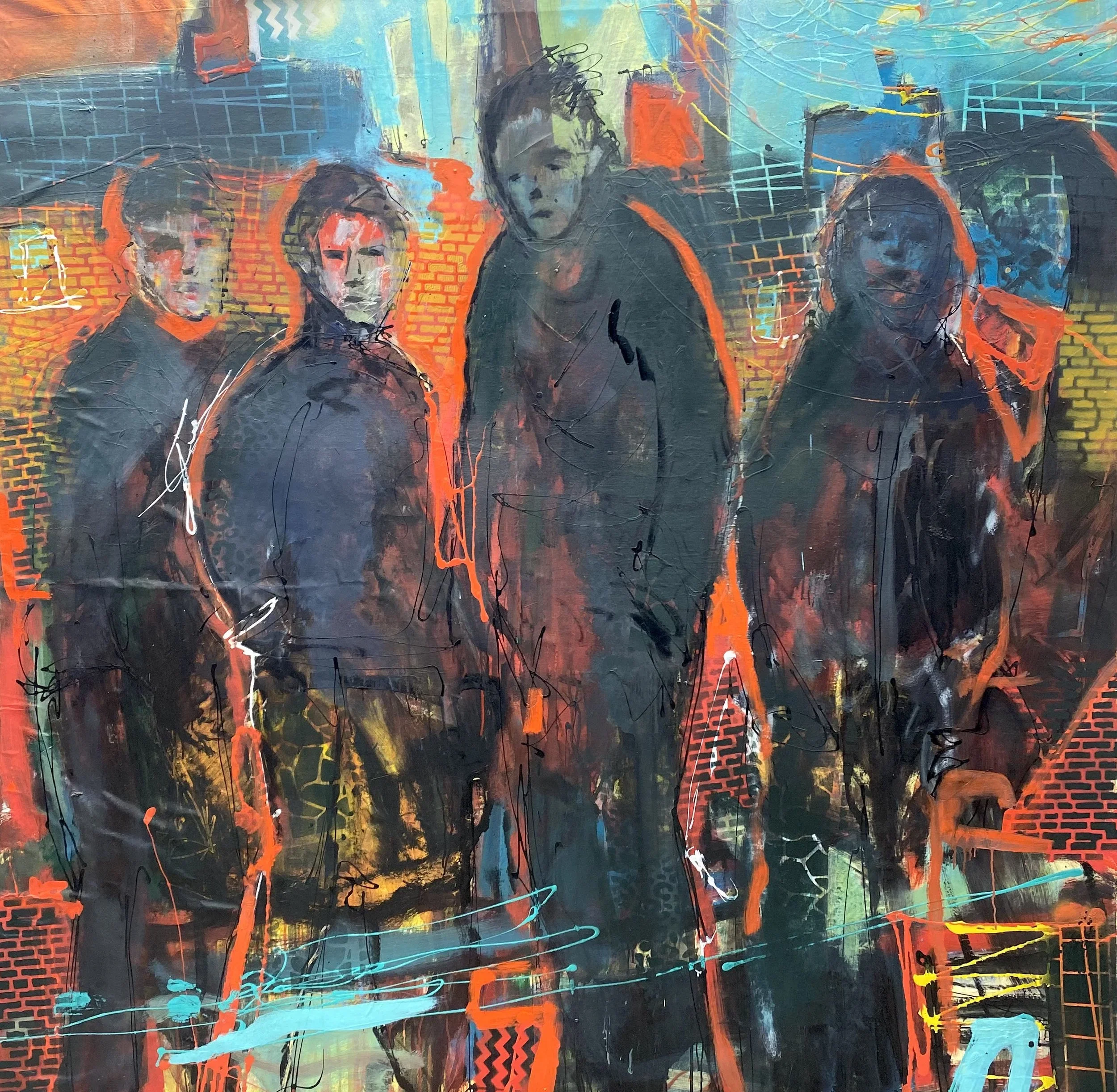
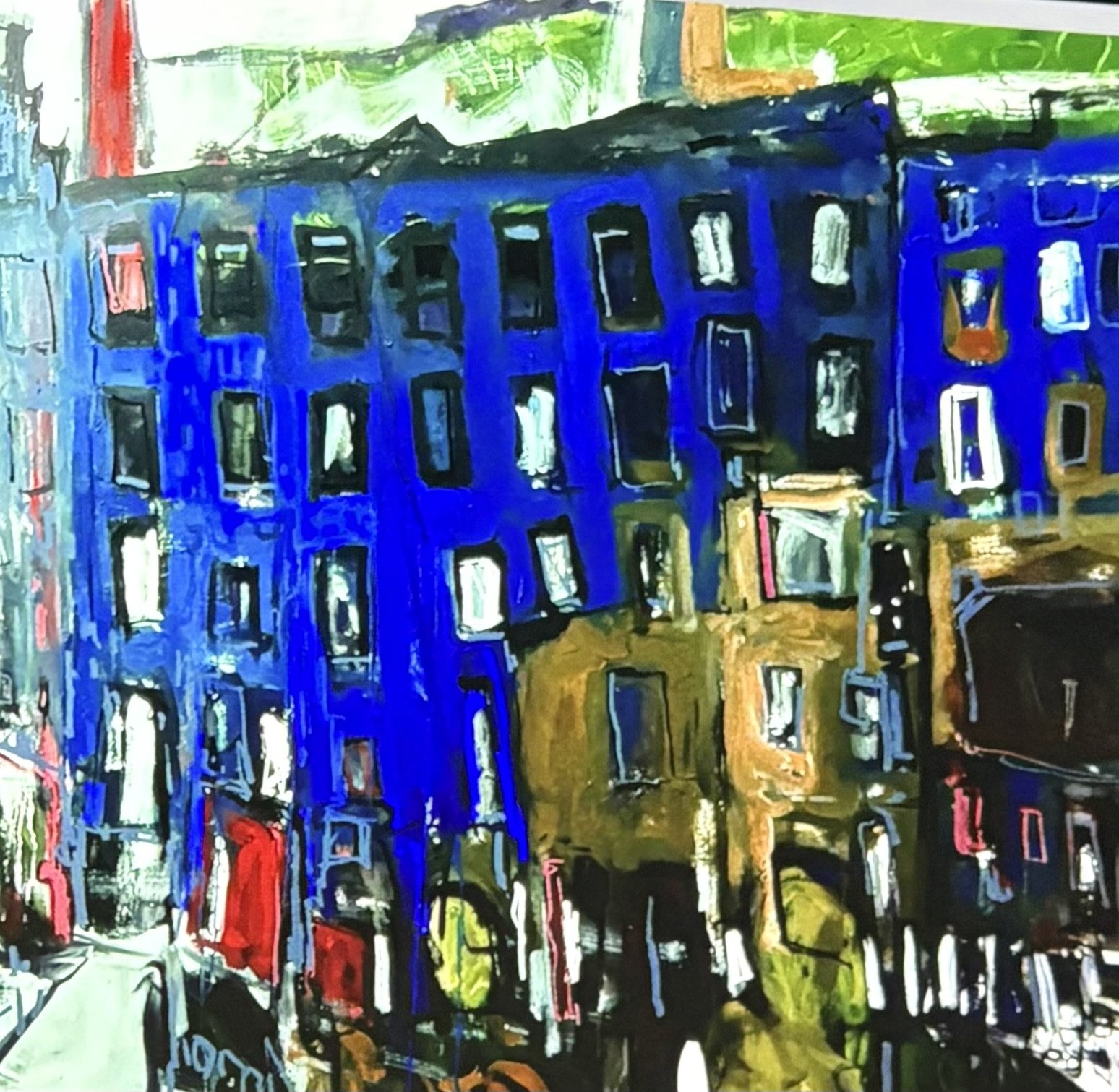
A large abstract recreation of the Church of St Ethelbert draped in the cloak of St Martin can be found in Almary Green, close to the Ethelbert Gate entrance to the Cathedral Close. Entitled the Cloak of St Martin, the work is a collaboration between artist Hardy Gru and local homelessness charity St Martins.


Outside the Hostry, visitors will see two old doors transformed into a tabletop covered with plates featuring recipes from around the world. The Hospitality of Abraham was the idea of artist Deborah Tompsett who has worked with English+, a Norwich-based charity helping those who are starting new lives in the city.


Completing the trio of works is The Light Comes from All Sides, an installation in the Cloister which has been created by artist Lily Bunney and Diocese of Norwich schools. Here ancient book cupboards, once used by the Benedictine monks, have been decorated with stained glass inspired by the Cloister and the medieval roof bosses which adorn the ancient architecture.

The Benedictine Art Project in the Cathedral Close is free and Norwich Cathedral’s Benedictine heritage explored in new outdoor exhbition. runs until Autumn 2026. It has been designed to complement Living by the Rule an exhibition taking place at the Sainsbury Centre which reflects on the enduring influence of St Benedict.

All photos courtesy of Bill Smith, Norwich Cathedral.
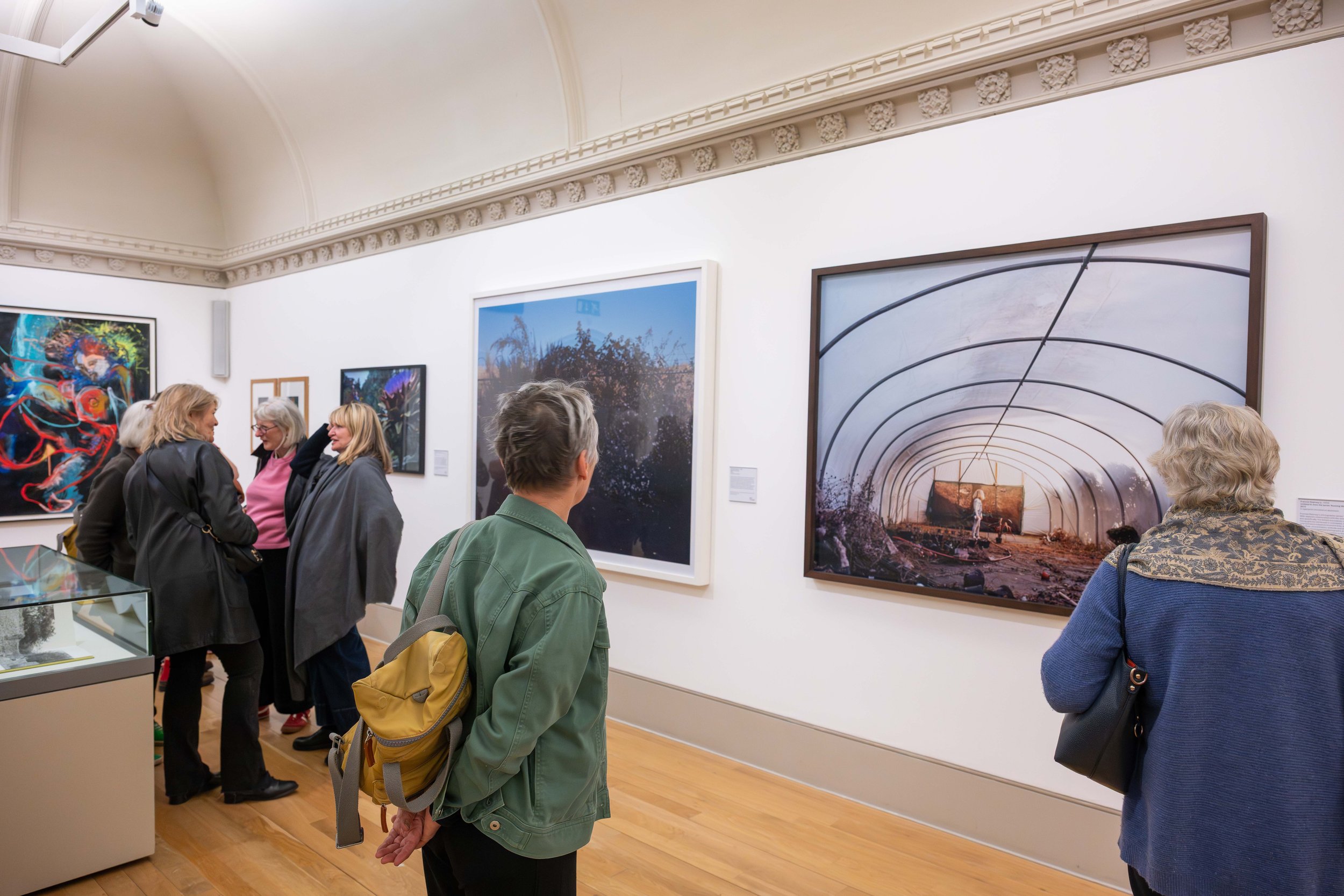
ncas' Seven Decades of Contemporary Art opens at Norwich Castle

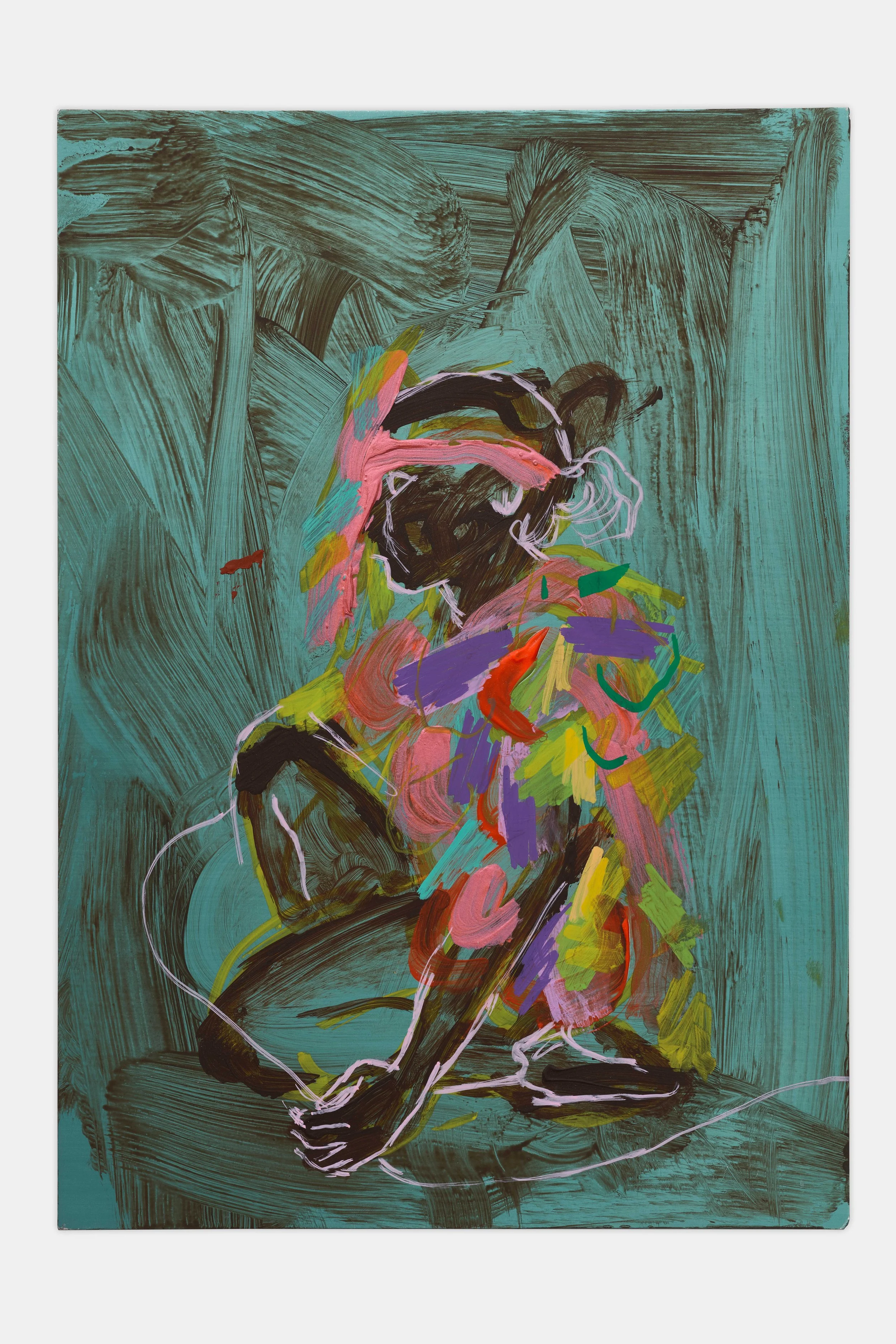
Florence Peake, Factual Actual Performance Documentation 9, 2022 acrylic on card. Presented by the Contemporary Art Society with support from ncas, 2023/24 copyright Florence Peake. Courtesy of Richard Saltoun Gallery London and Rome

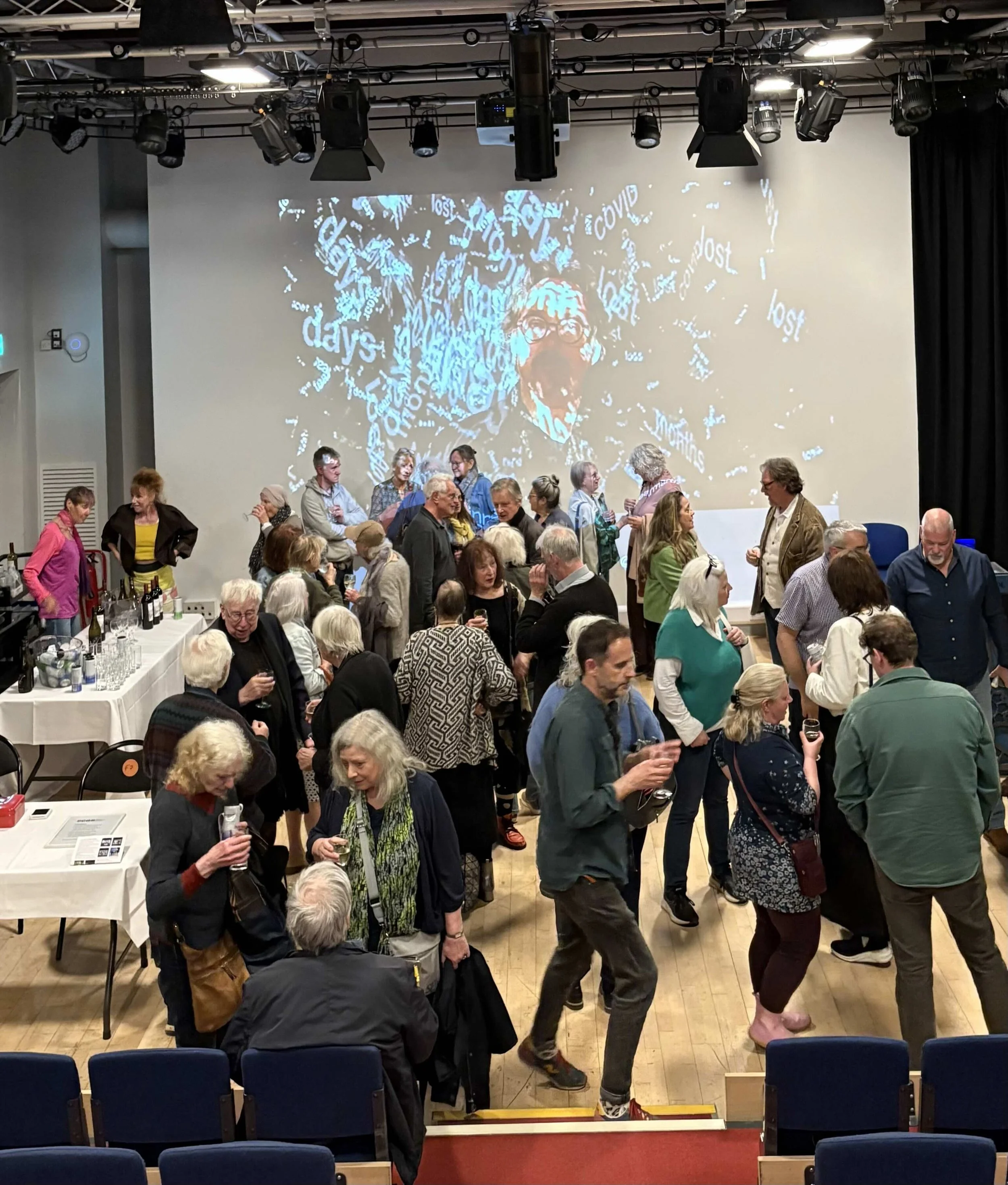
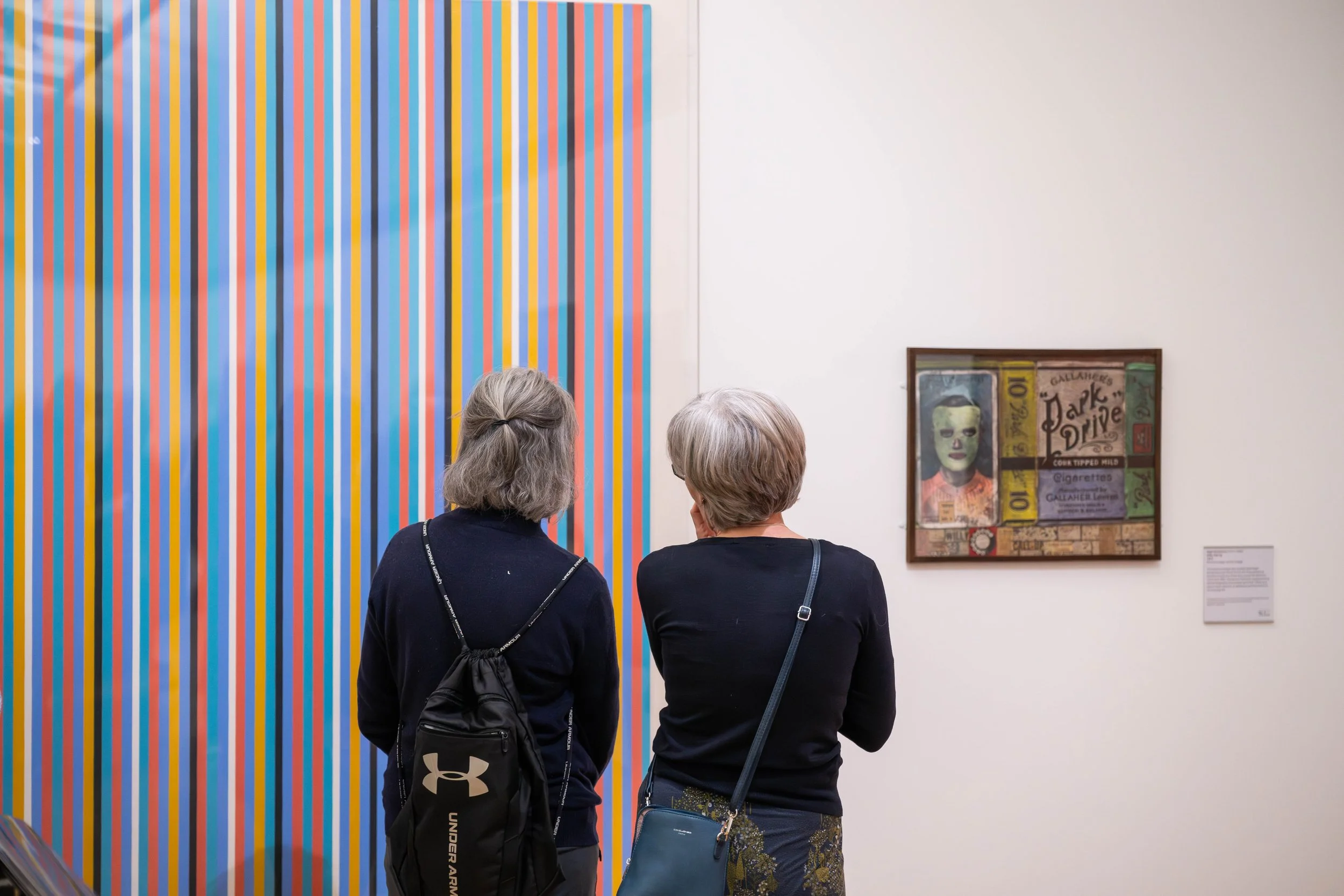
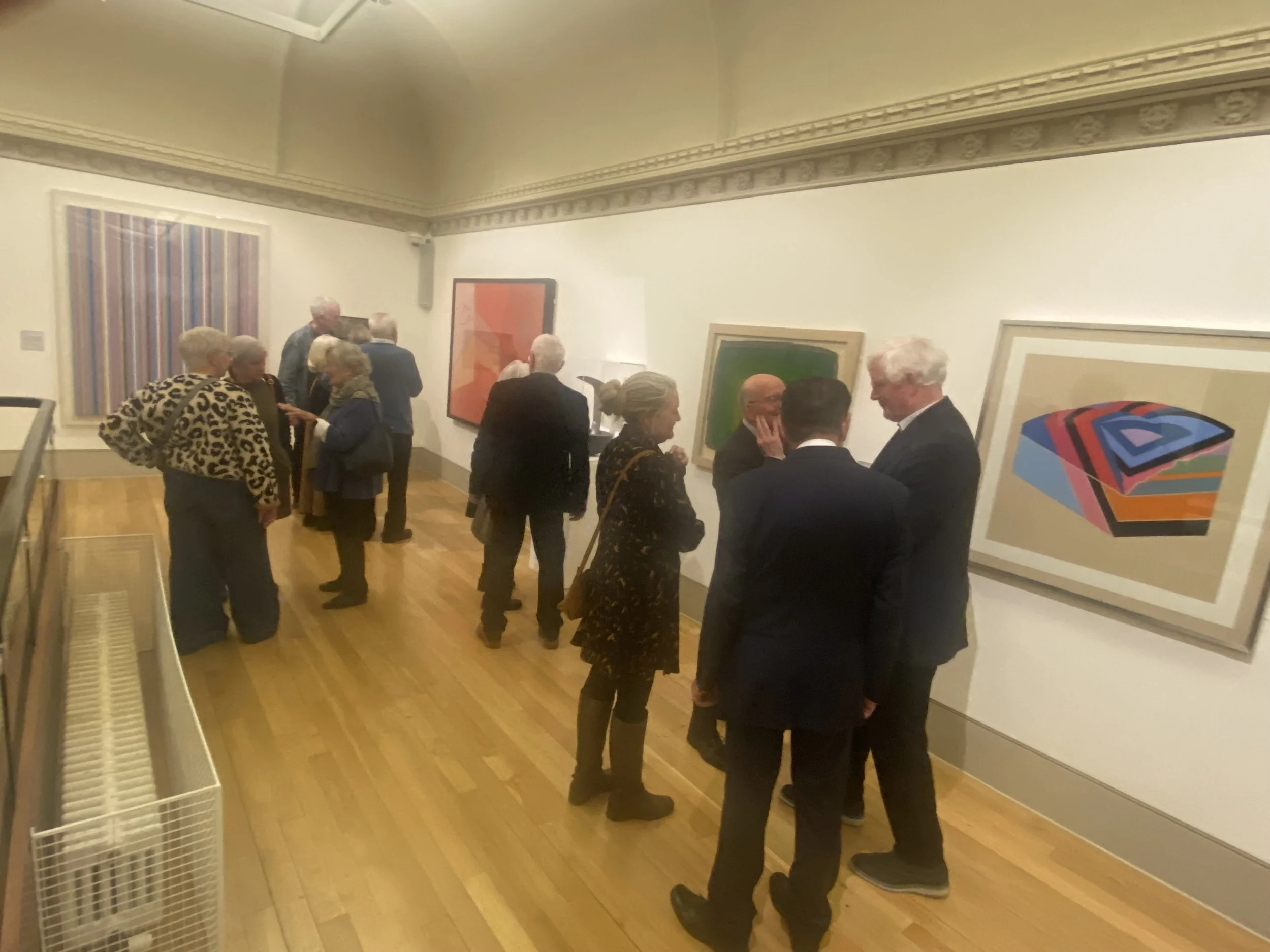
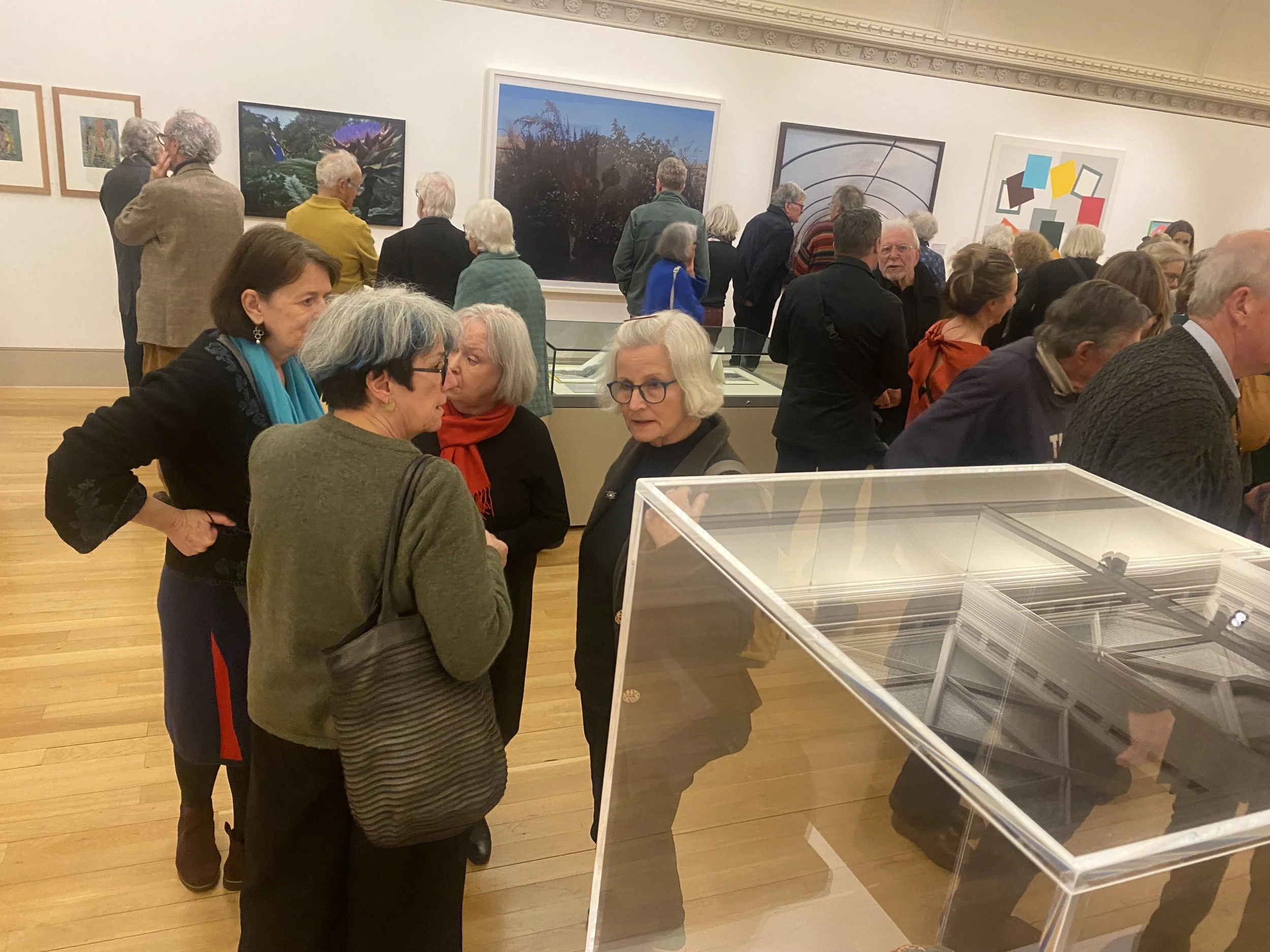
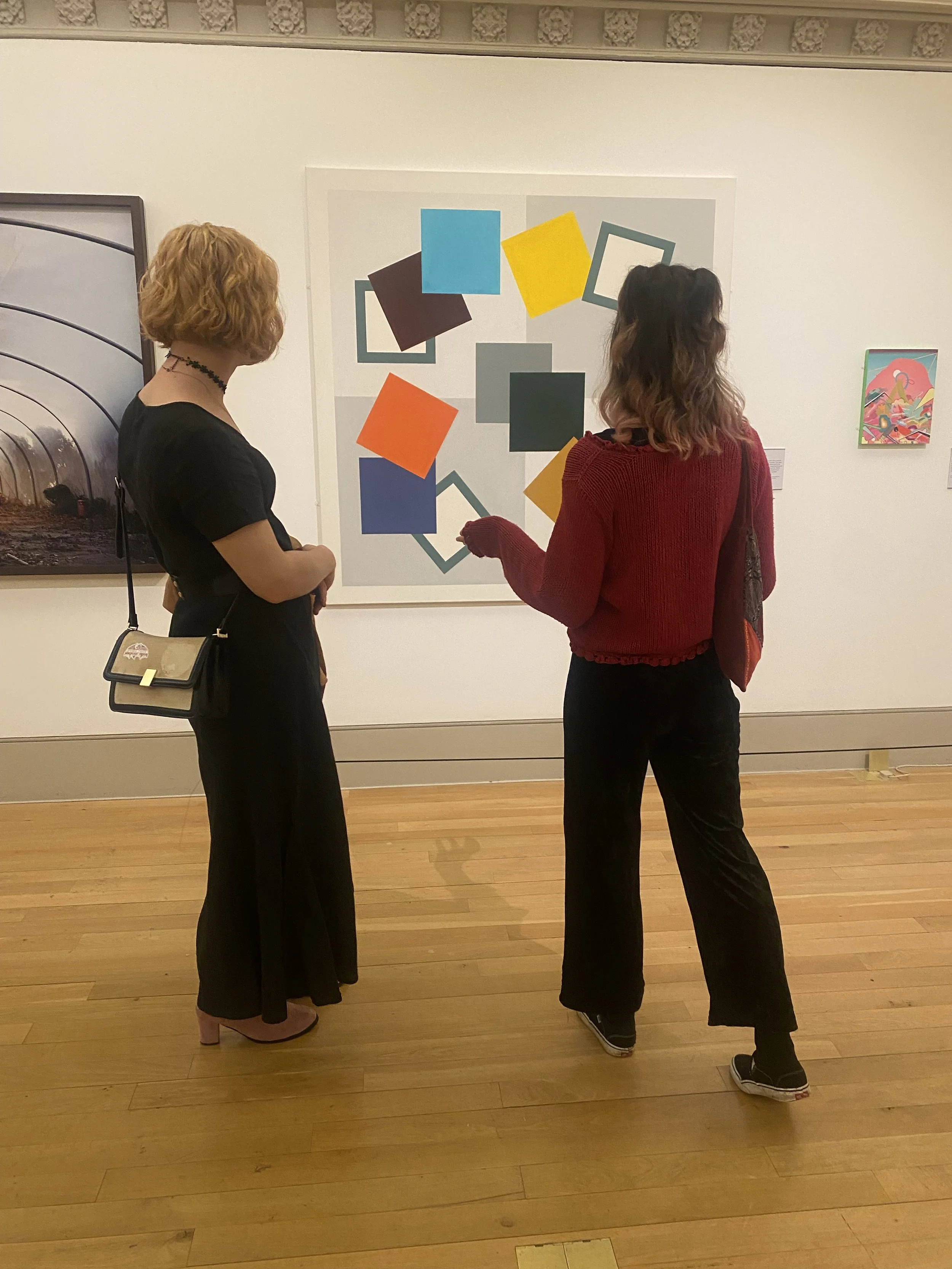
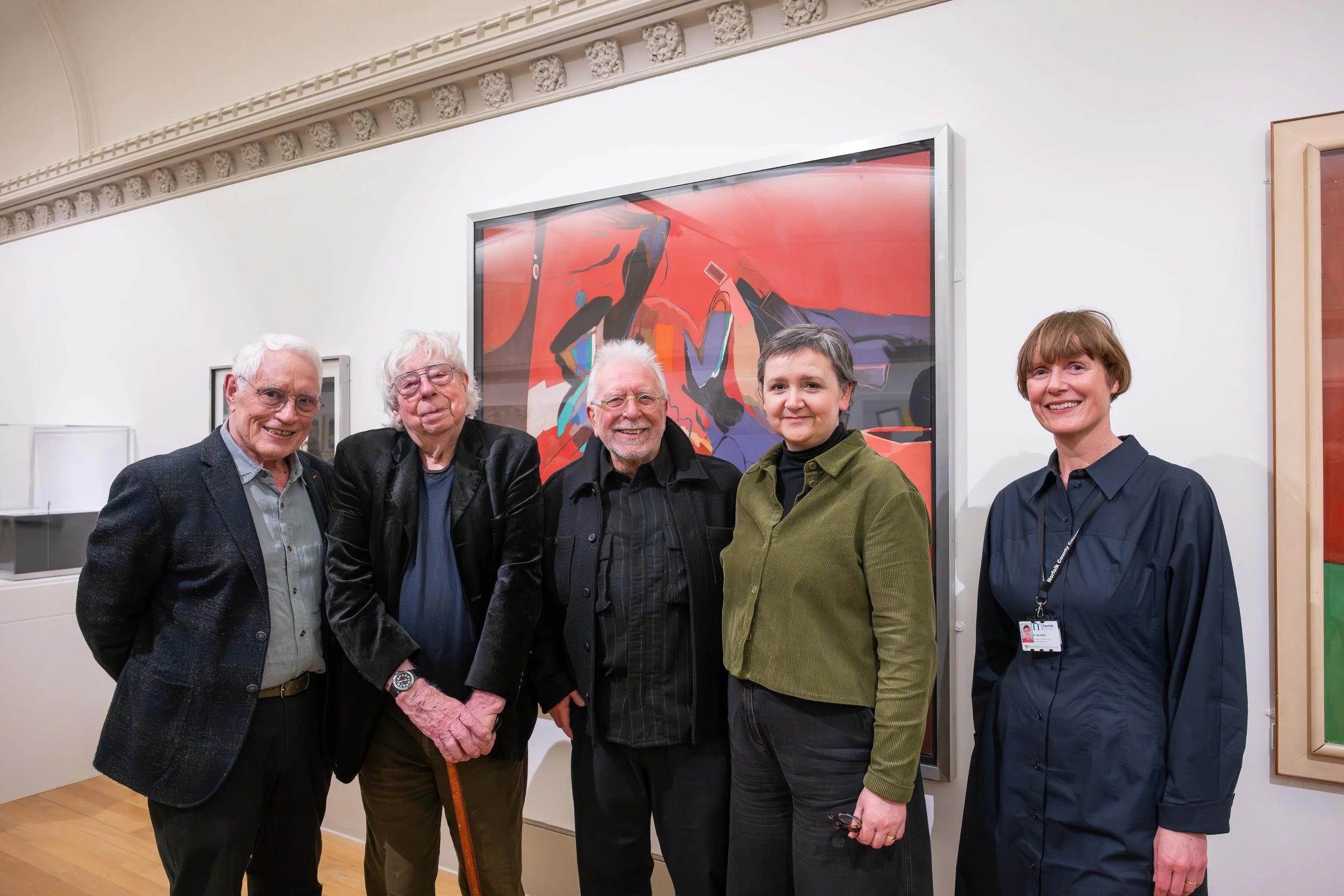
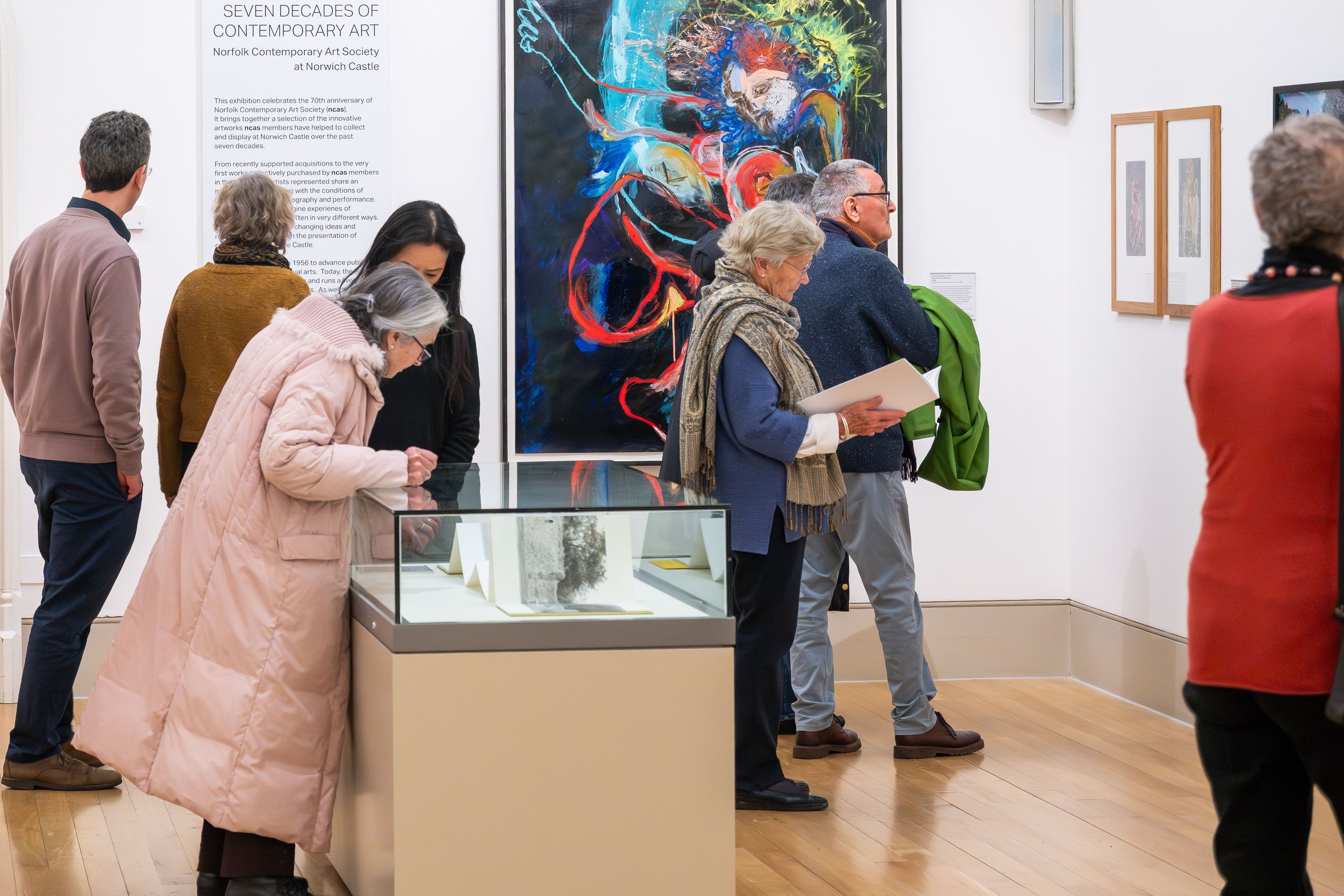
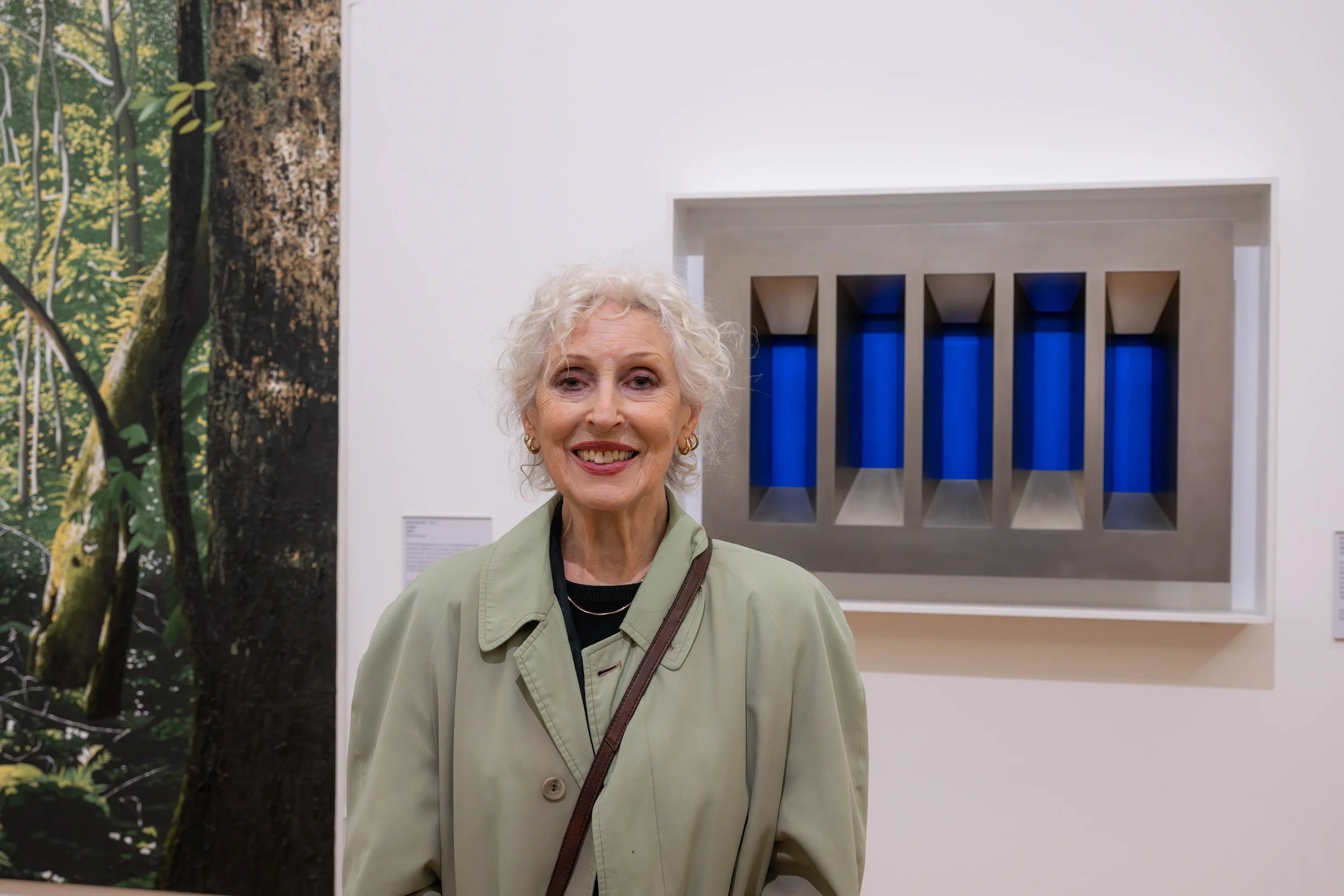
ncas members, friends and supporters gathered on 27 March at Norwich Castle to help celebrate the opening of Seven Decades of Contemporary Art, an exhibition showcasing a selection of the innovative artworks which ncas members have helped to collect and display at Norwich Castle Museum & Gallery over the past seven decades.


From recently supported acquisitions such as works by Florence Peake and Daniel & Clara, to the very first works collectively purchased by ncas members in the 1950s including L S Lowry and Prunella Clough, the 30 artists represented share an interest in experimenting with the conditions of painting, sculpture, photography and performance.


Many of the works reimagine experiences of landscape or figuration, often in very different ways. Together, they signal the changing ideas and relationships that sustain the presentation of contemporary art at the Castle.

Lisa Newby, Curator of Modern and Contemporary Art at Norwich Castle said: “ Members of the Norfolk Contemporary Art Society play a vital role in developing the contemporary collections at Norwich Castle. This exhibition celebrates their contribution and will be an exciting opportunity for visitors to experience the artworks ncas have supported over the past seven decades.”

Selwyn Taylor, Chair of ncas, said: “ This anniversary is not just about looking back, it is away of reaffirming our commitment to contemporary art for the next generation. Throughout 2026/7, our programme of talks and events will celebrate the artists, audiences and supporters who have shaped Norfolk Contemporary Art Society over the past seventy years, whilst setting an ambitious course for the decades ahead.”


The exhibition, together with a planned series of talks on the changing art scene in the different decades, continues until 28 February 2027 at the Timothy Gurney Gallery.

Norwich Castle & Gallery is open daily from 10am until 5pm. ncas members have free access to the Castle & Gallery.

Check the website for forthcoming talk details.


Colour – Space - Light - Spirit: A talk by artist Lothar Götz

Event date: 21 January 2026
Review by Danusia Wurm


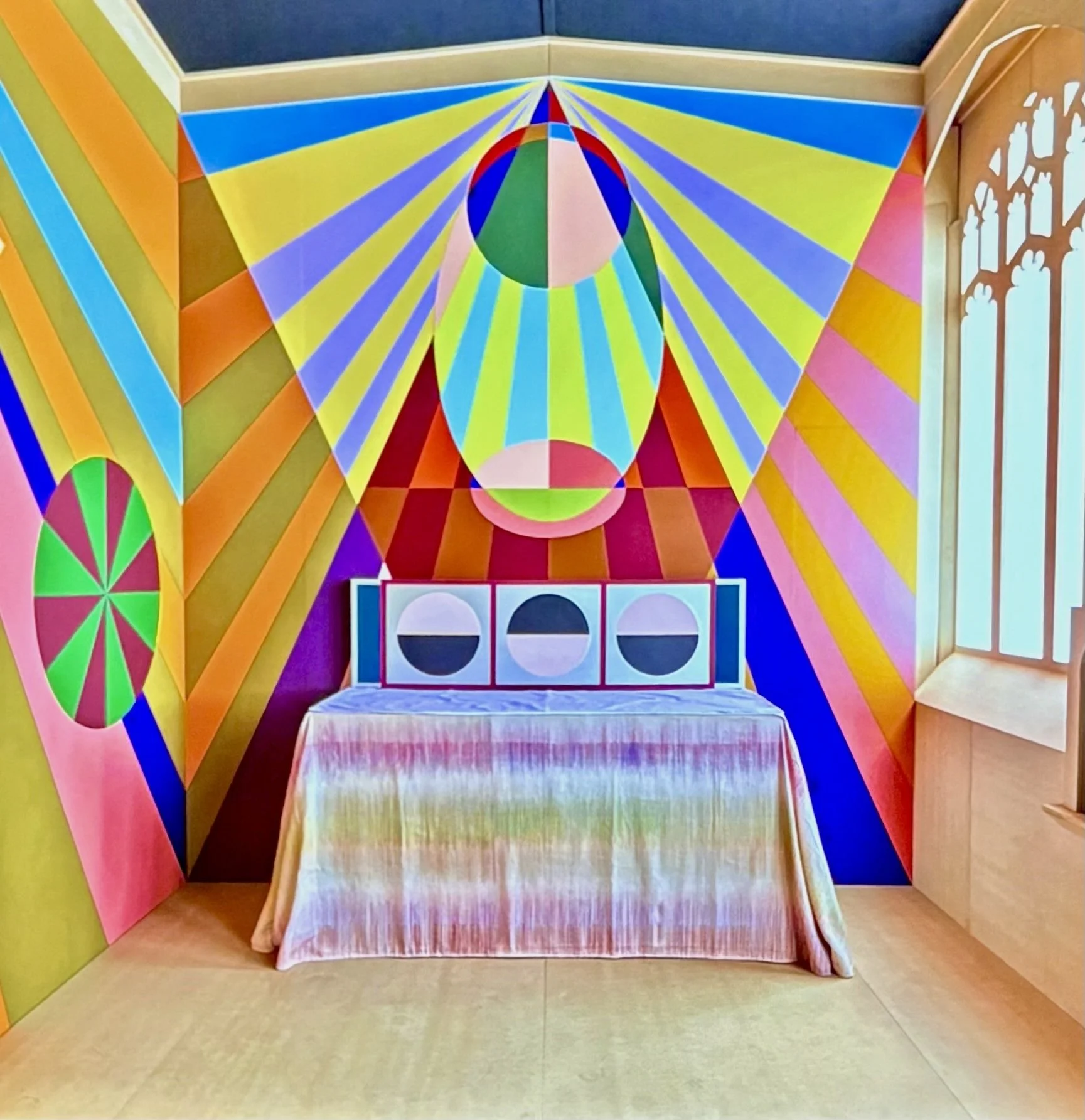
A Retreat for the Good Shepherd, The Collection, Lincoln Cathedral, 2016, Lothar Götz


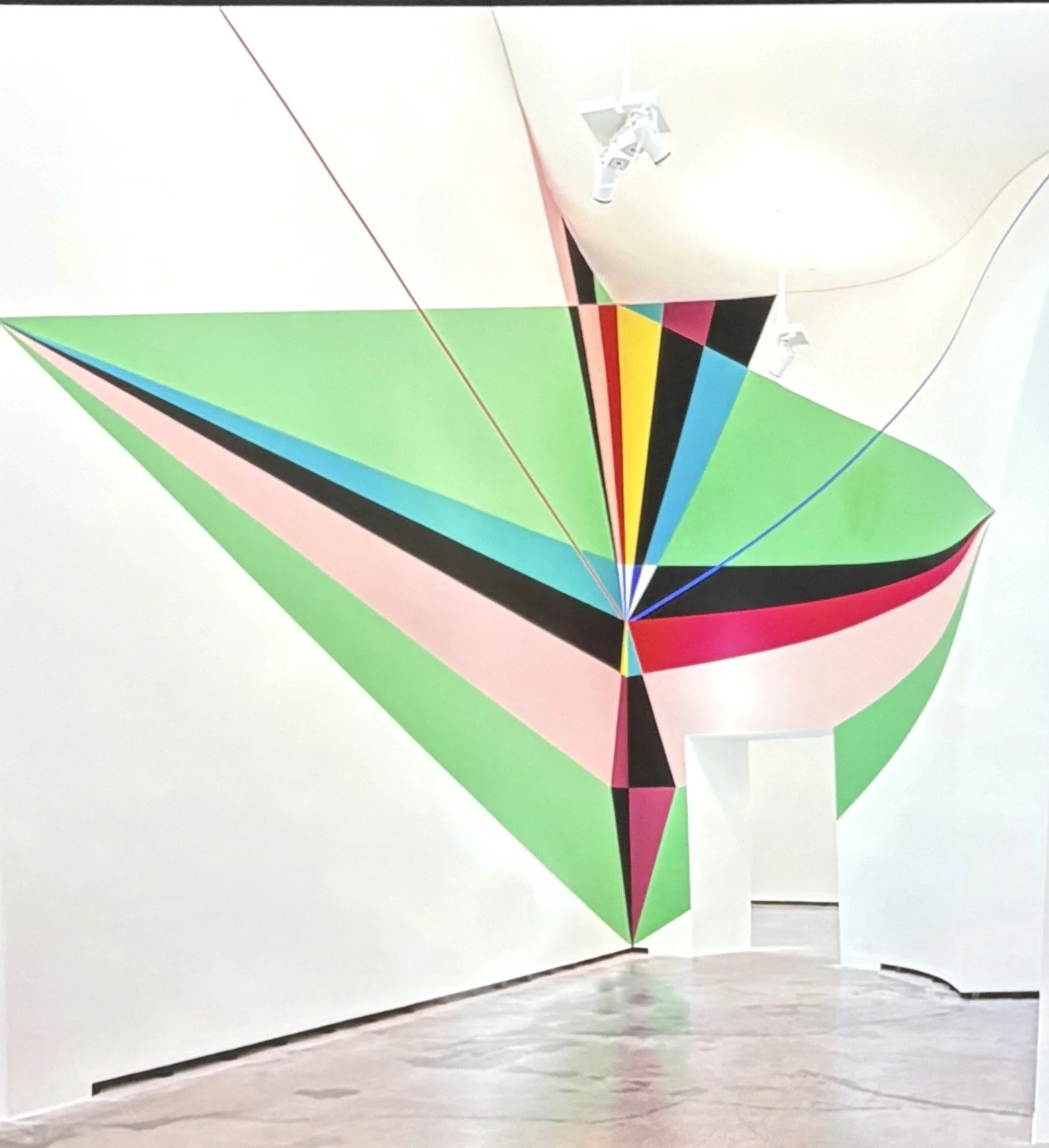
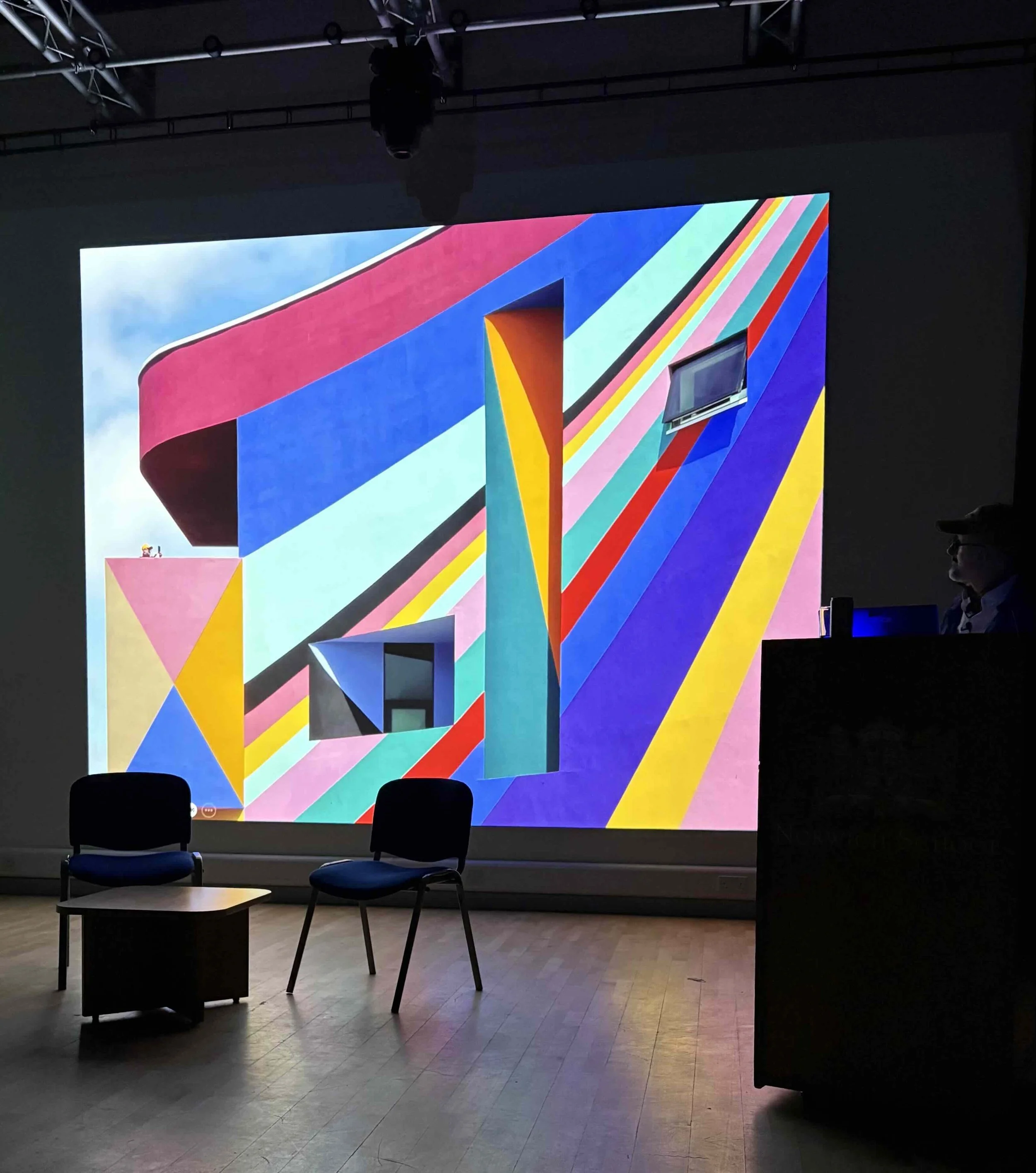
Picture the scene. For an artist defined by his exuberant use of colour, playfully, Luthar Götz started his talk with an image of an early black and white installation:  two black, elongated triangles precisely placed on a white gallery wall. For the highly receptive ncas audience, it was a witty introduction to Götz’ practice in colour, space and light.

Walking the line

Born in Germany in the 1960s, as a child, Götz was totally obsessed with architecture which has since fuelled his imagination. He was first drawn to the abstraction of Modernism and the Bauhaus, in particular multi-disciplinary artist and visionary Oskar Schlemmer, during his visual communications and graphic design studies in Aachen in the 1980s. 


Götz found Schlemmer’s philosophy relating to life and movement the perfect antidote to the boring figurative “traditional” art taught in Germany at that time. As a self-confessed music, dance and clubbing fanatic (think David Bowie and techno), Schlemmer’ s fantastical and groundbreaking Triadic Ballet totally resonated with Götz. Art could be fun and colourful. It could also be political. Götz’ championing of the Bauhaus was a deliberate response to Germany’s Nazi history when abstract, modern art was deemed “degenerate art” and banned.
Götz went on to study aesthetics at Wuppertal and finally fine art at the Royal Academy, London. It was at this time that he decided to combine his various disciplines within his site-specific wall painting practice.


There is a transition between abstraction and the real space; it’s this play that interests me

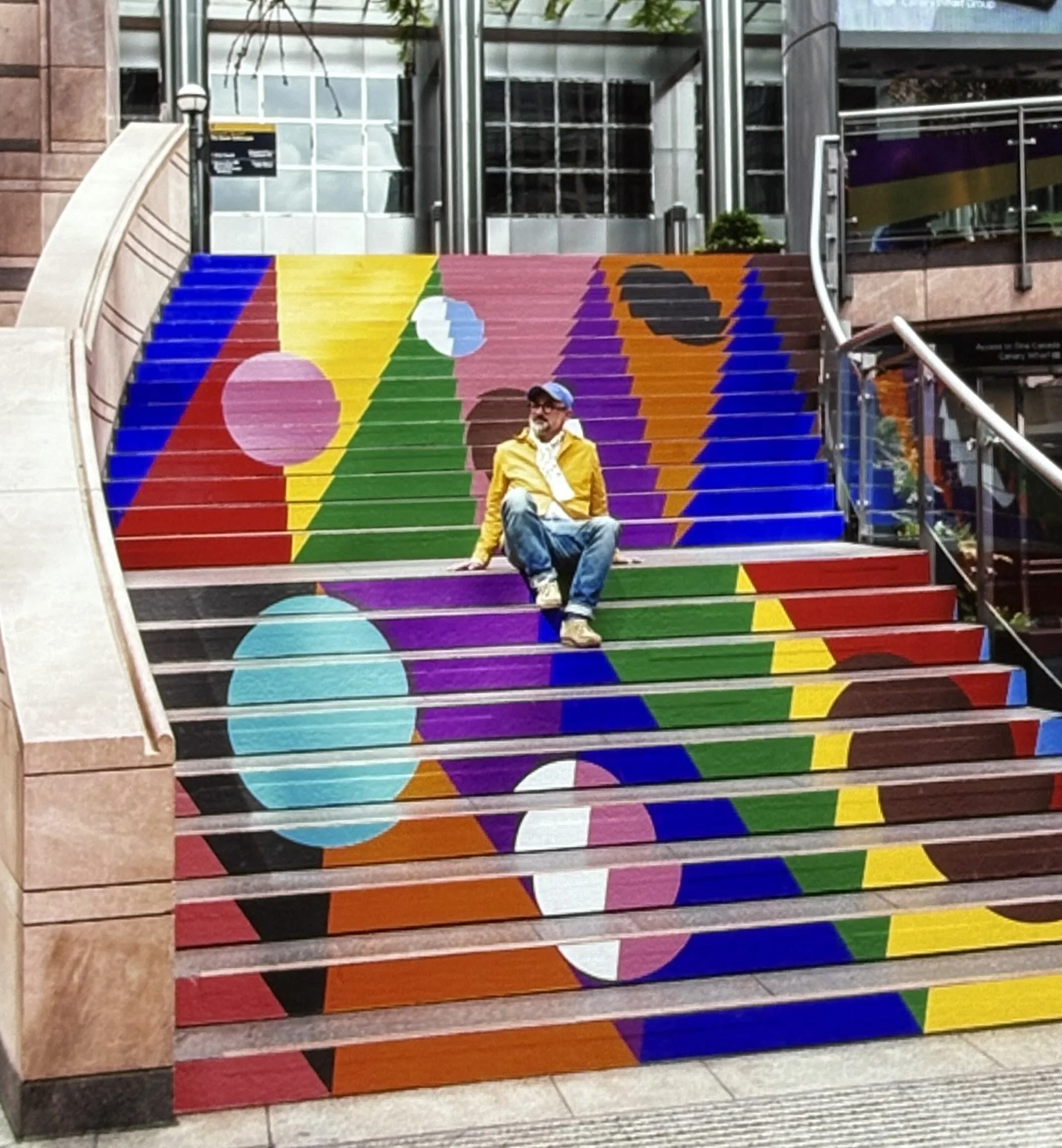
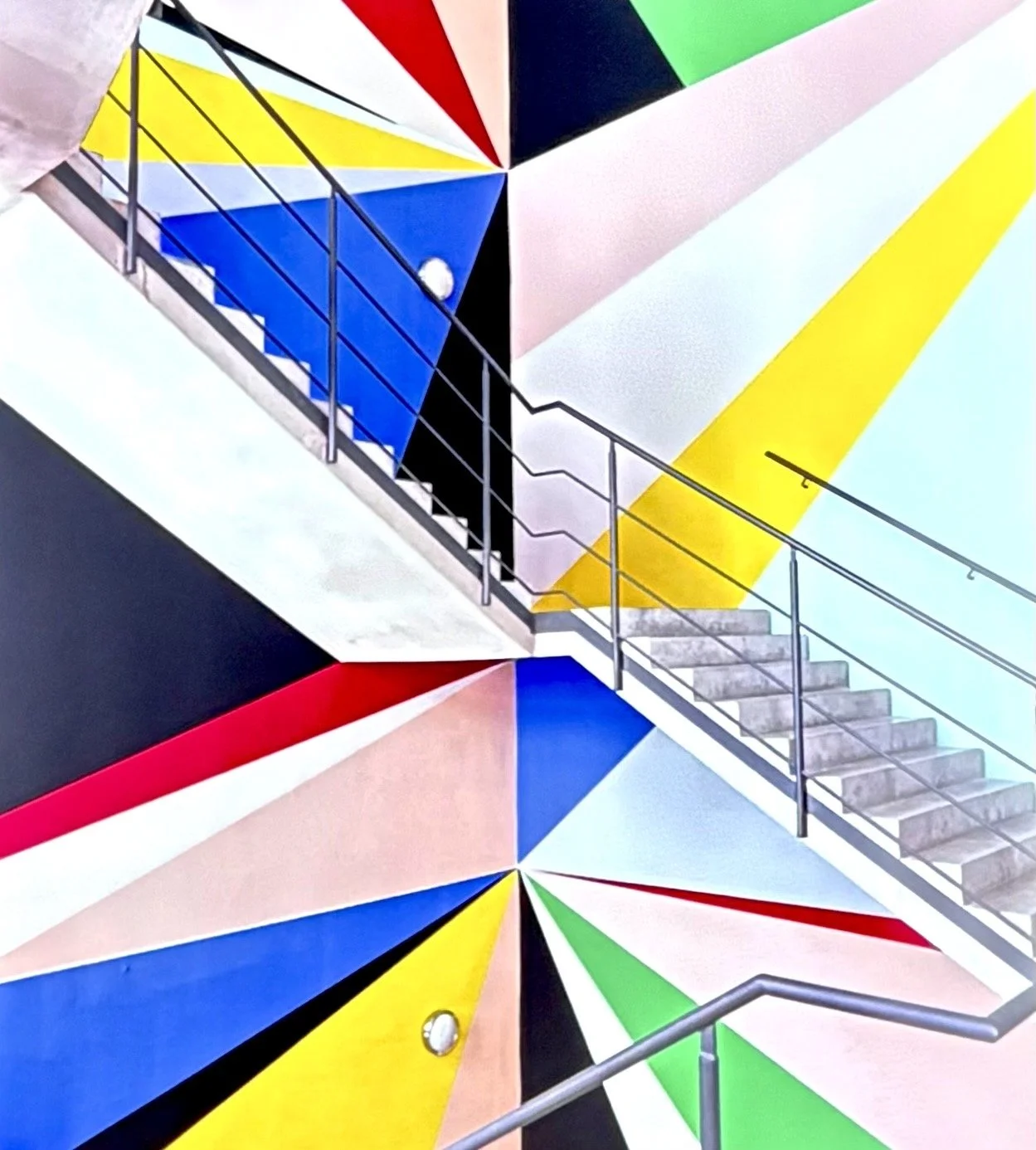
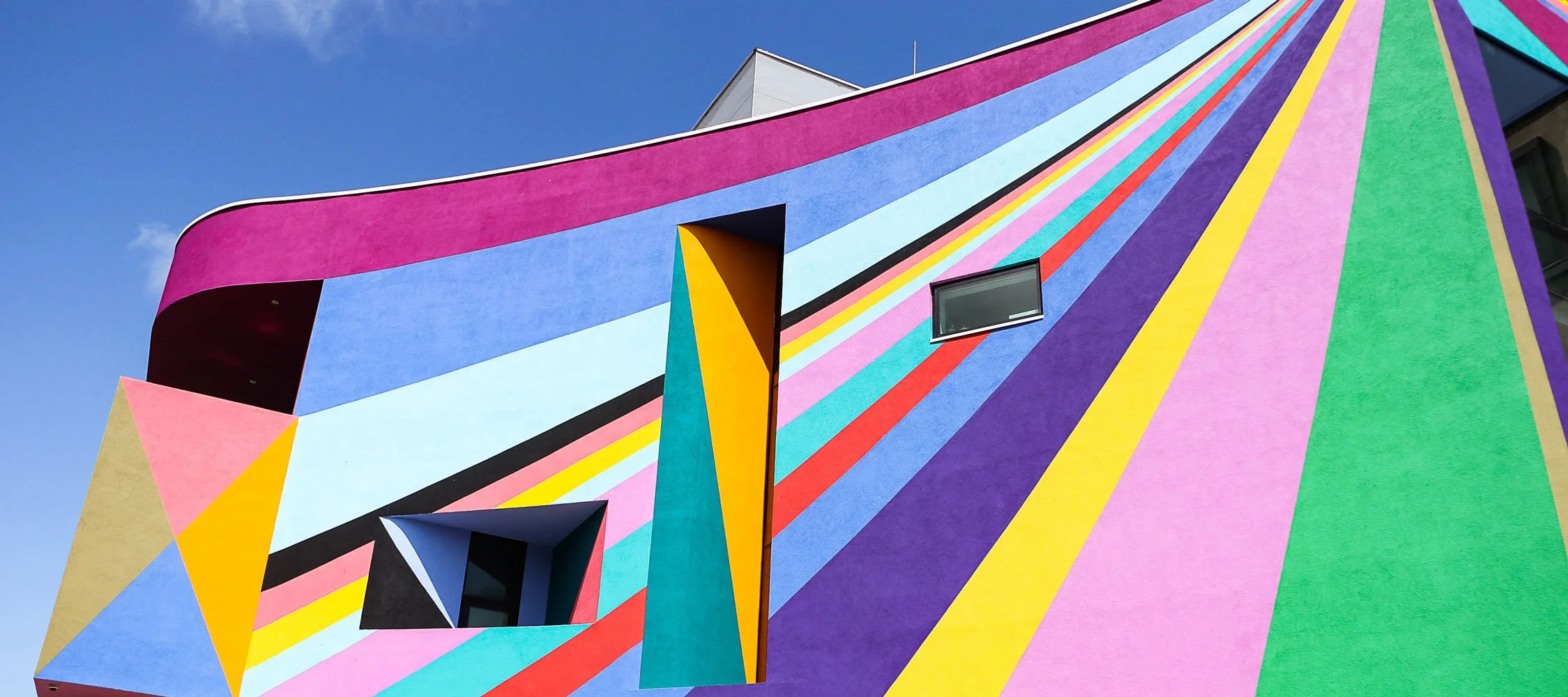
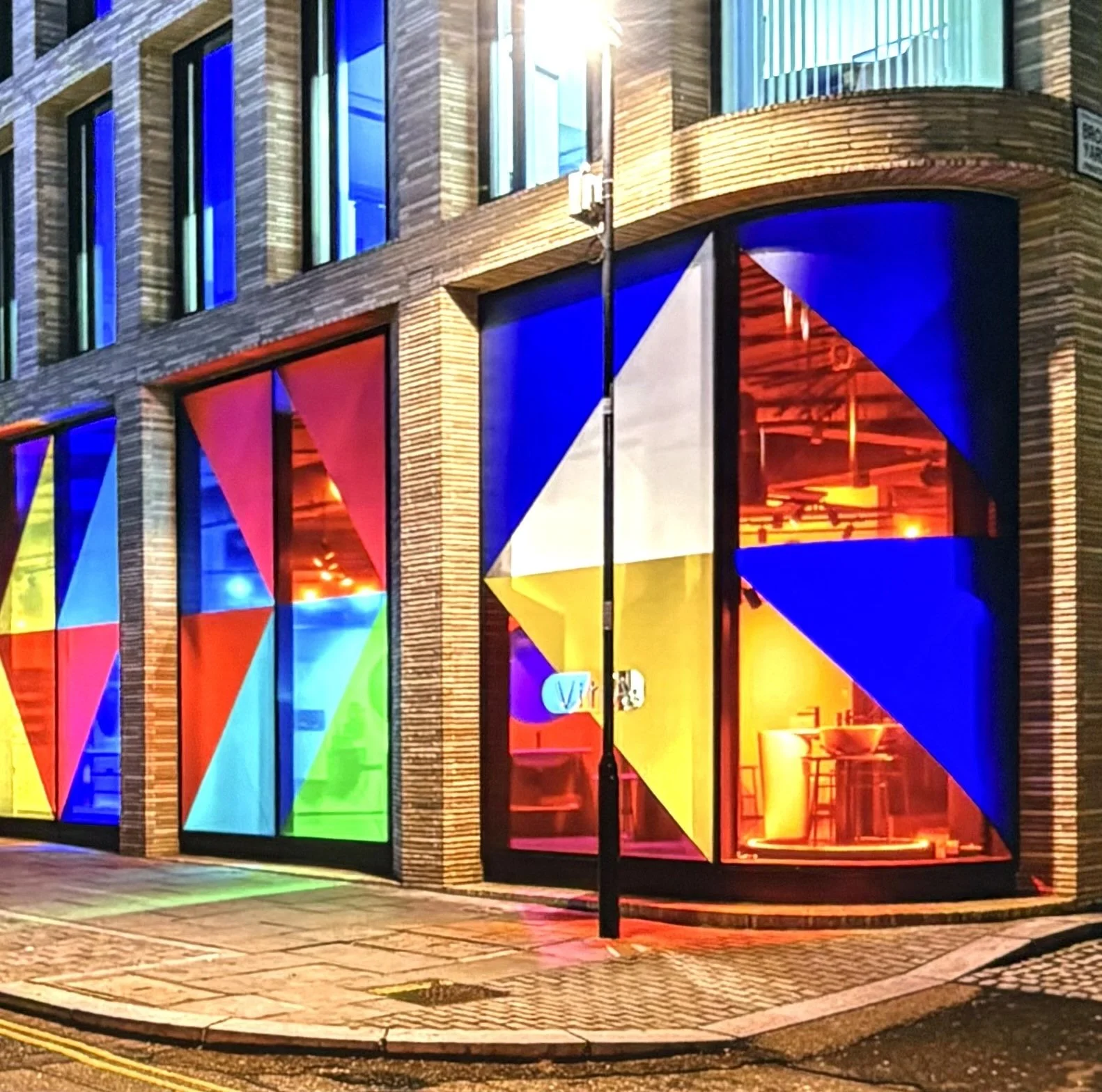
Götz’ installations are numerous and varied spanning many different architectural styles, eras and locations. They include entire building exteriors (Towner Theatre, Eastbourne), niches (the space between buildings), galleries (Pallant House Gallery, Leeds Gallery), foyers, reading rooms, offices, or the humble staircase - a personal favourite of Götz creating their own visual geometry as people journey up and down them.

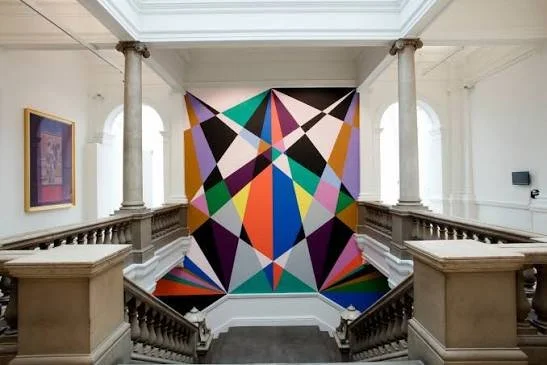
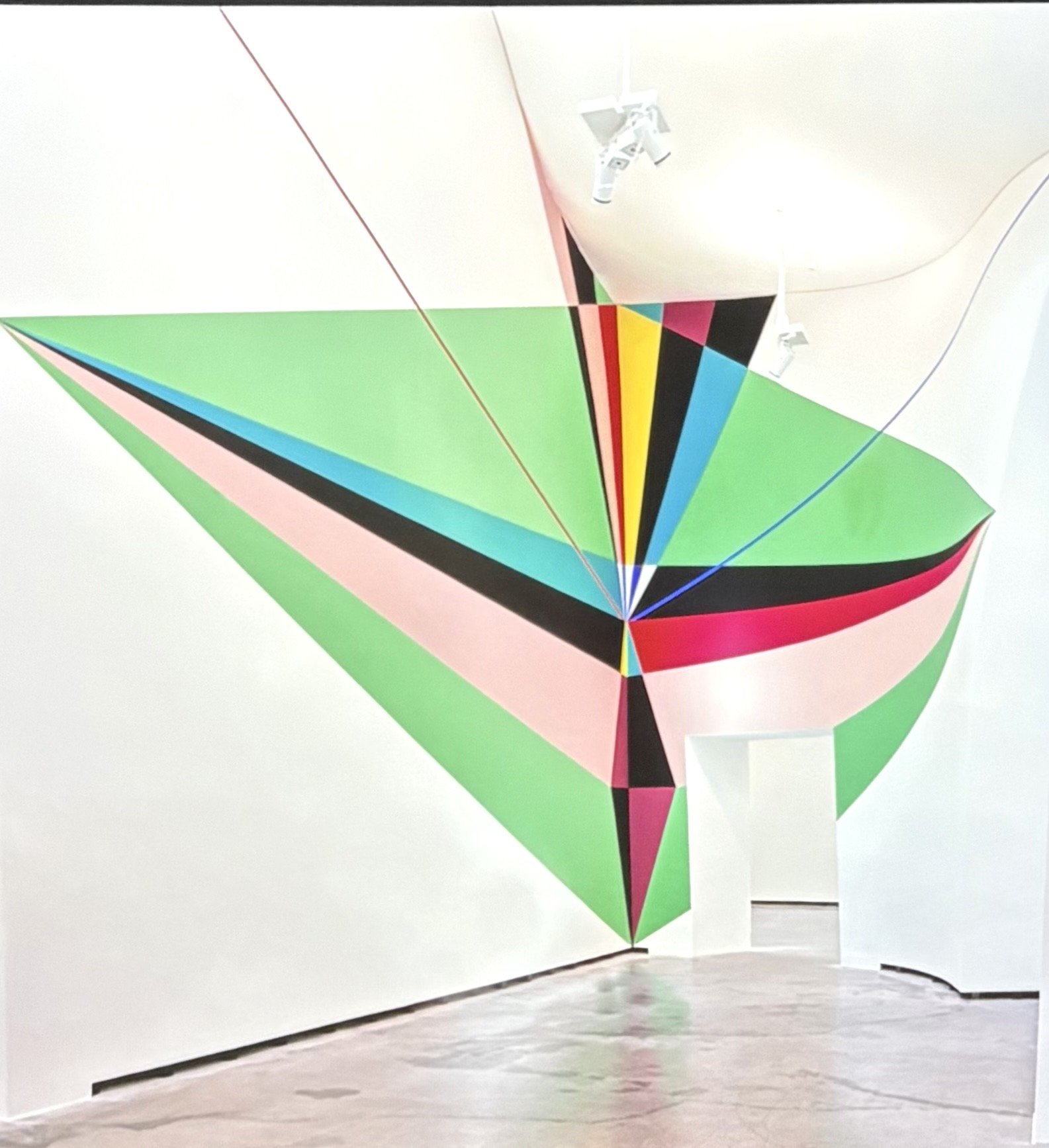
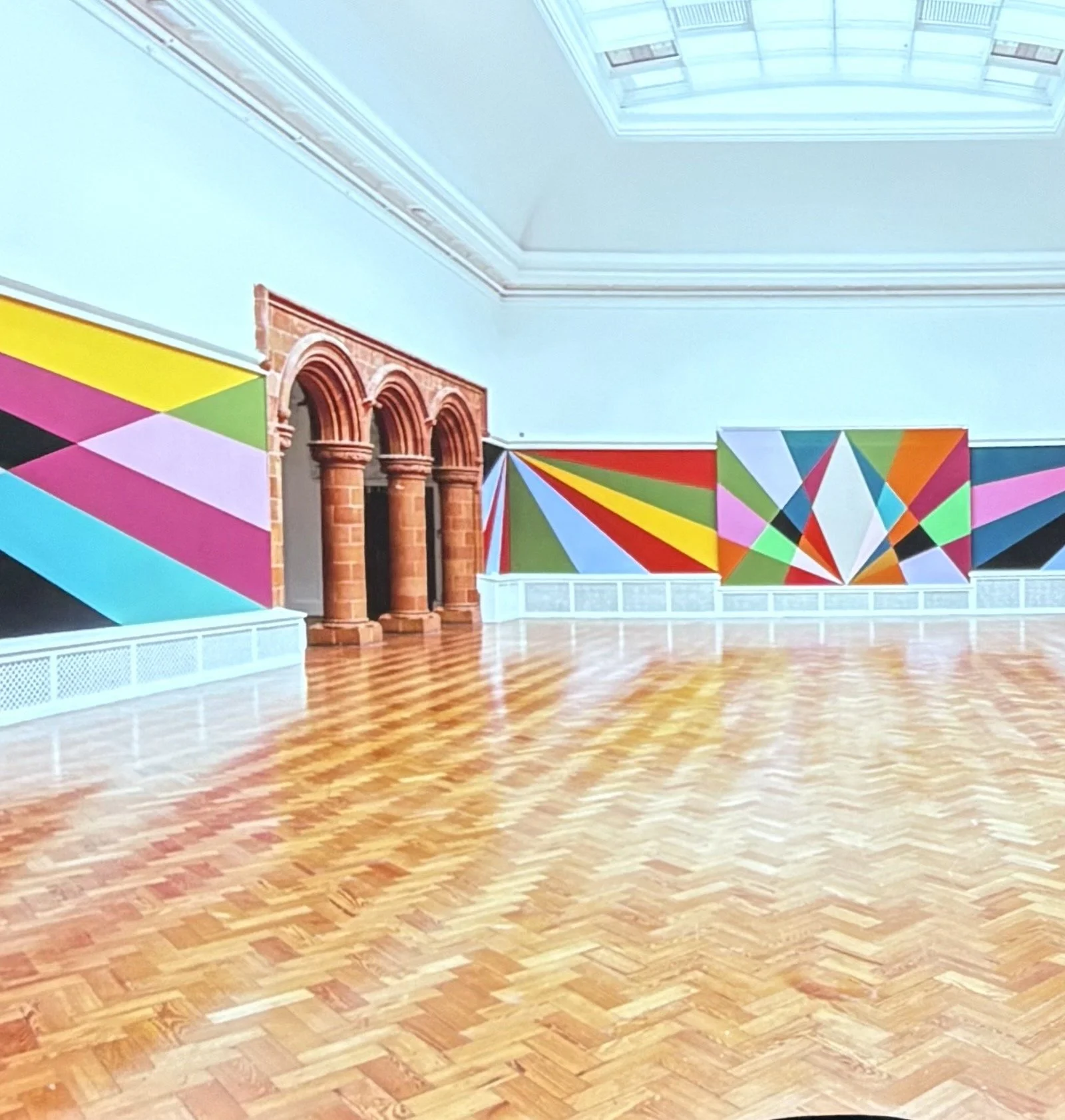
Götz’ site-specific works and wall paintings aren’t a product of the pictorial wall-painting tradition. Instead, reflecting his passion for architecture and abstraction, his wall paintings literally dance and play with the space.  

Götz likens it to “an intervention”. He says “The moment it’s painted onto a wall, it becomes part of the space - part of reality, never completely abstract. There is a transition between abstraction and the real space; it’s this play that interests me”.  


His gallery installations are temporary often lasting for only a few weeks before being painted over. Counterintuitively, Götz positively relishes the “impermanence” of his gallery work which, for him, becomes a kind of “stage set” animated by people. It also “frees him up” giving him the opportunity to execute a bolder treatment than a permanent or “owned” work might allow.

The space tells me what to do

Götz approaches each project in the same way, always insisting on a residency or time alone to better understand the space, its surroundings, light and spirit. For him, it’s a two-way conversation. It ends when “the space tells me what to do”.

Götz also deliberately seeks to incorporate the site-specific imperfections, be they beams, stains, electric cables, windows or mismatched doors, into the final work as they are integral to the space.  Lines of sight to and from each mural, through other buildings and outdoor spaces are an equally important feature of each work.


To help determine the final treatment Götz sketches first, developing a network of lines dividing architectural areas into functional, aesthetic or proportional sections. He then transfers the design onto the wall using chalk and line – an ancient technique applied for modern means.

For me, colours stand for freedom

Götz uses vibrant colour to further define the architectural qualities and the spirit of a space. He is interested in the way aspects of decoration and colour can have an impact upon us explaining how the vivid bold colours and graphics of the1972 Munich Olympics had a profound influence on him as a boy.  His colour decisions are made on site. They are instinctive, purely abstract decisions responding to the light, shadows, surroundings and atmosphere. Their polychromatic vibrancy is barely contained by the careful geometric abstraction of their surrounding lines. “For me, colours stand for freedom,” he says. “They are what they are without any excuse.”


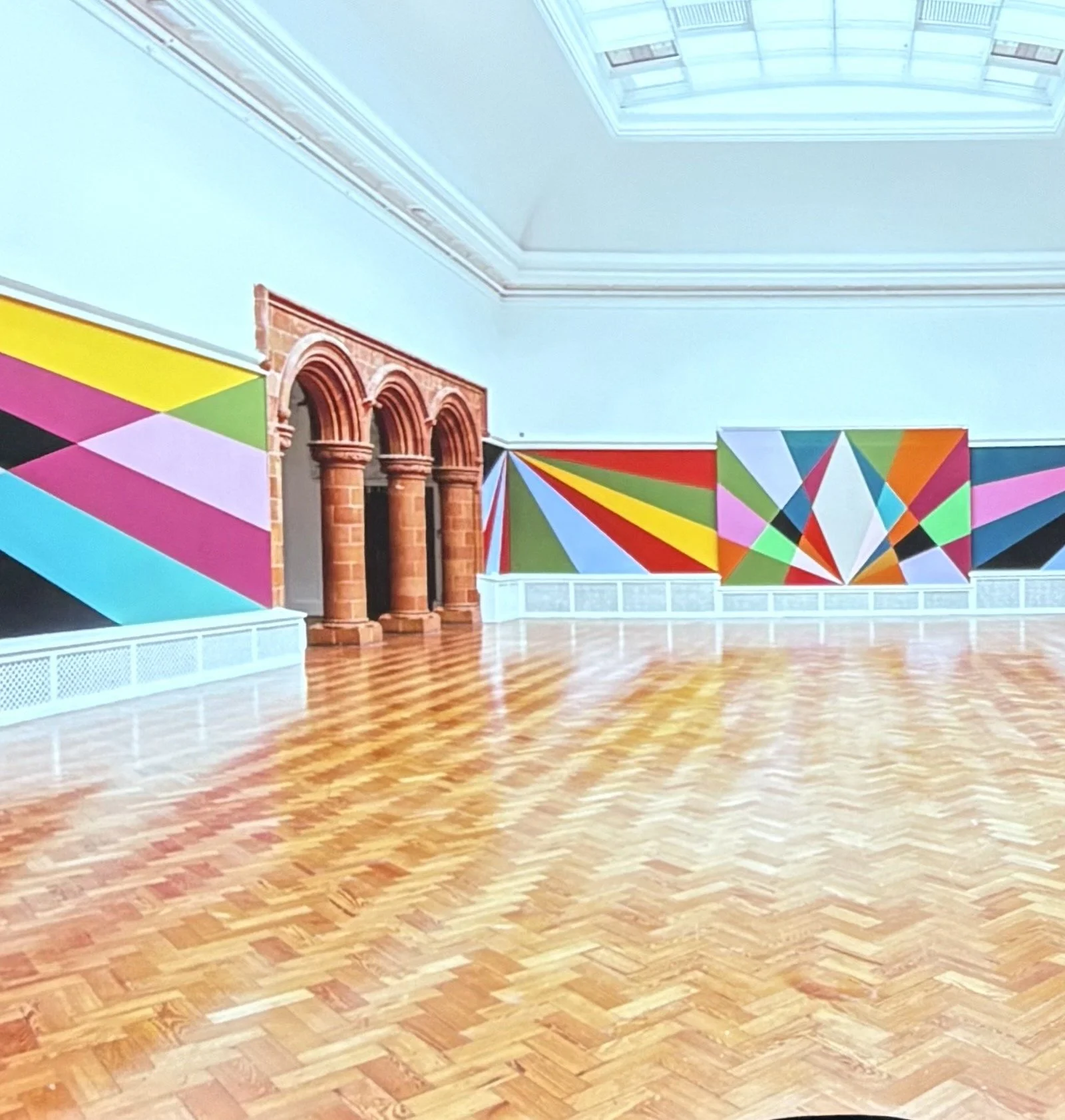
Dance Diagonal, Towner Gallery, Eastbourne, 2019, Lothar Götz


You begin with a dot

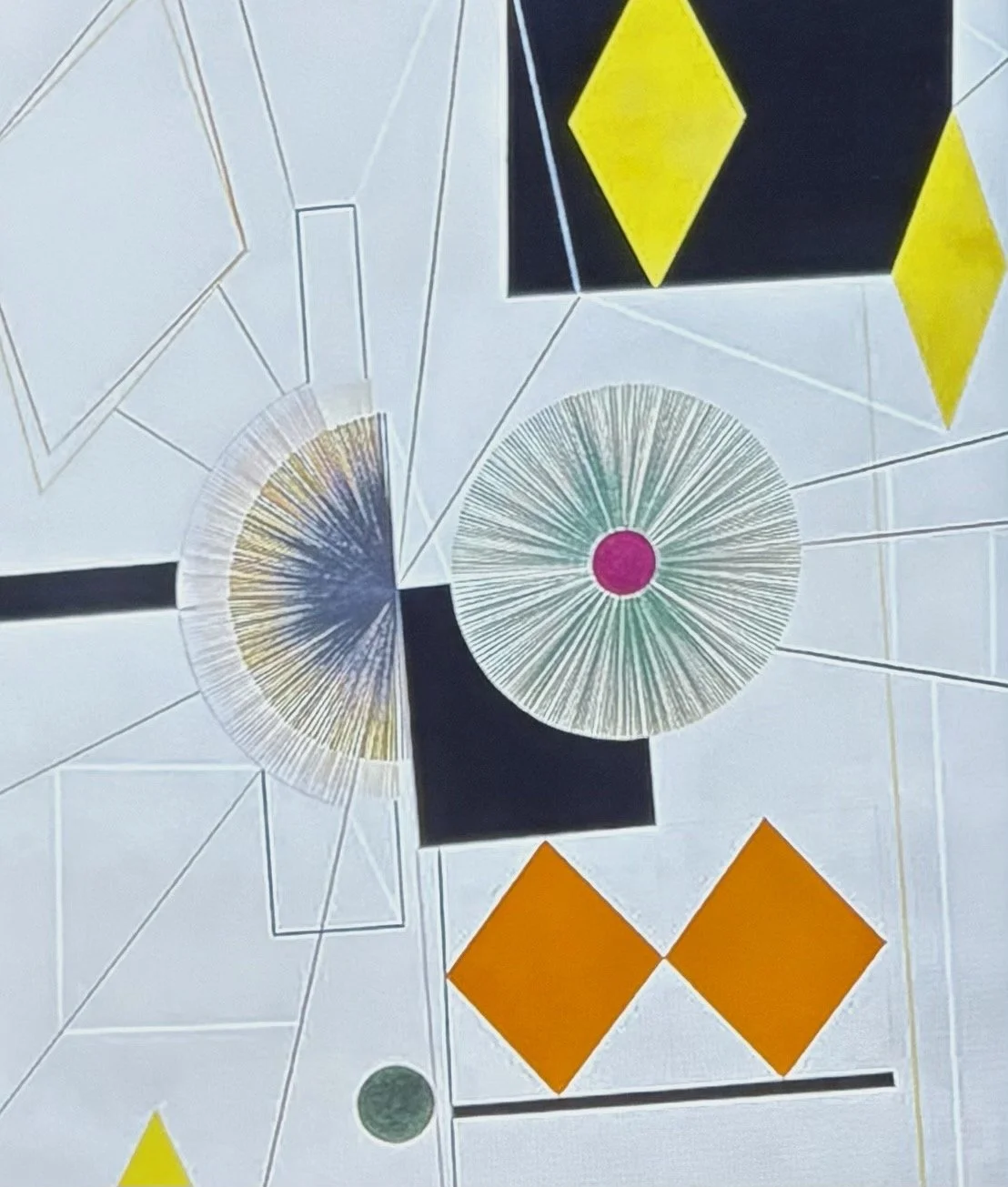
Of equal importance to his site-specific wall paintings and room-sized spatial installations which directly respond to the space, Götz explained how his beautifully contrived smaller paintings and crayon drawings might respond to single lines from writings, films, conversations or historical artworks often connected with the ideas and visions of Modernism. There’s a clear coherence and dialogue across his body of work, through its continual referencing and engagement with architecture and space and its characteristic use of geometric forms and fields of intense colour.  


Thoughtful, engaging, candid and expressive, Götz is a born communicator whose polychromatic practice does more than lift the spirit. It brings people together and starts the conversation. 

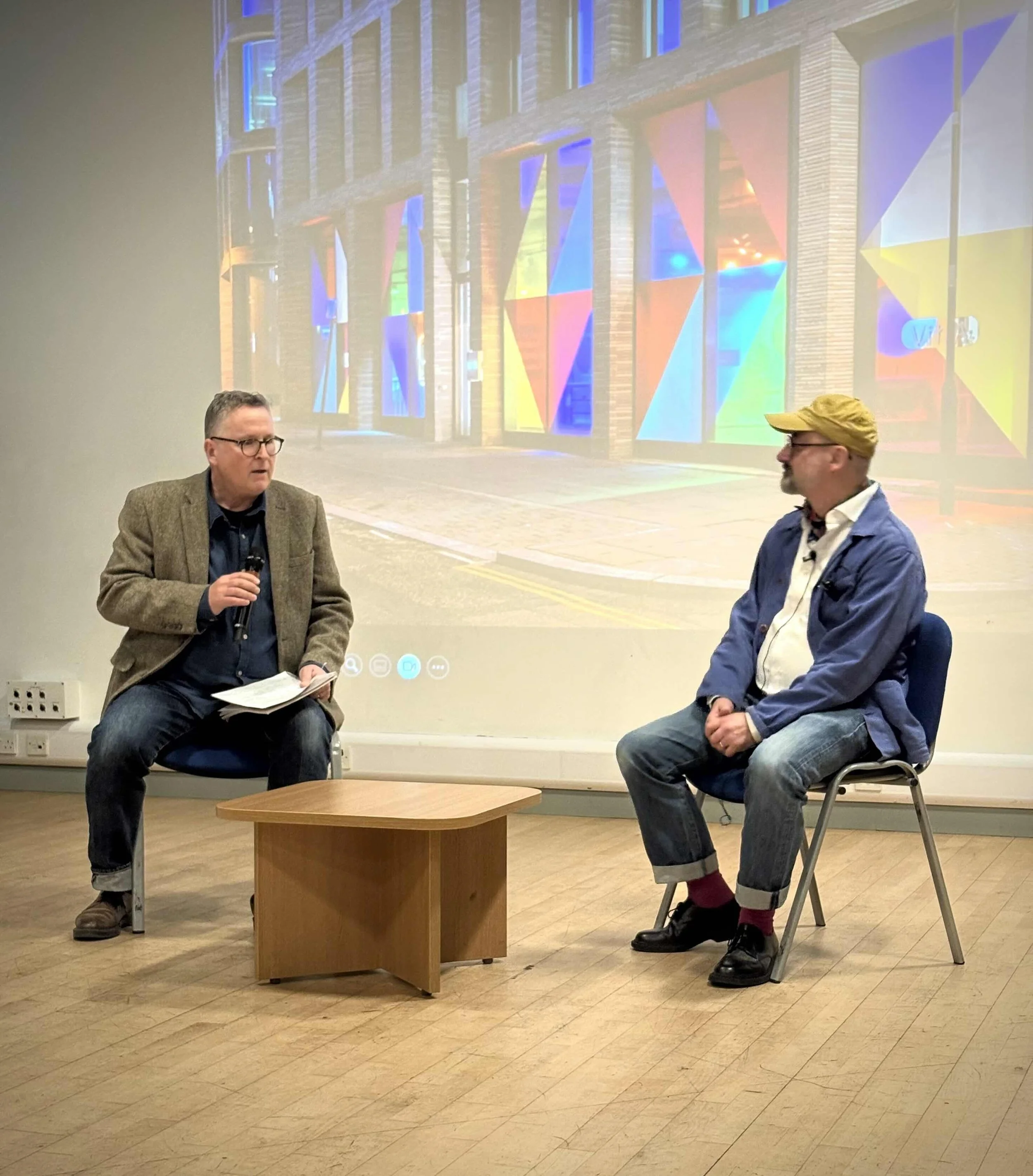
ncas would like to thank Lothar for his brilliant talk and artist Carl Rowe for his excellent introduction and compering the post talk conversation.

ncas would also like to thank the Norwich School for kindly hosting of the event at their Blake Studio.


Further information

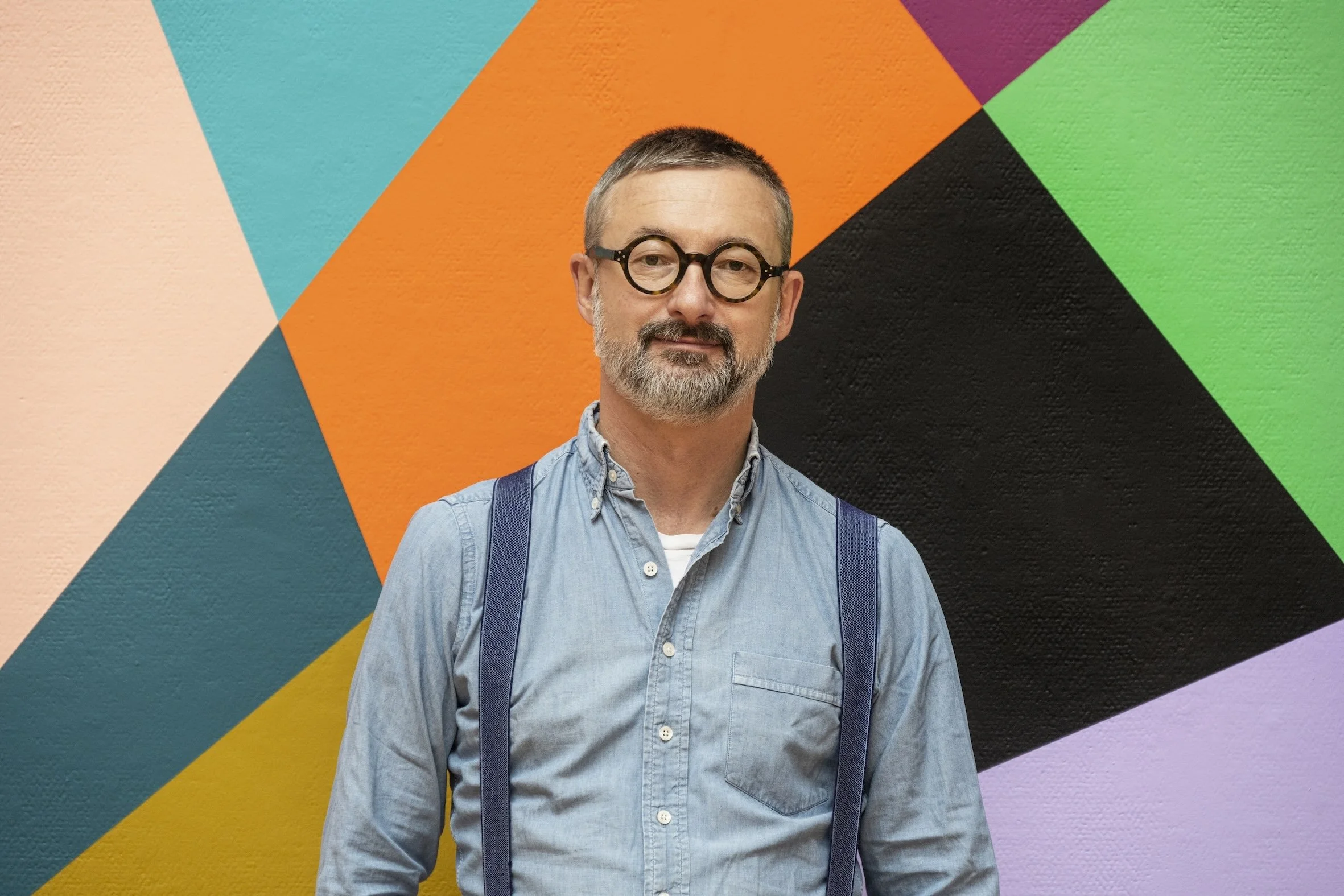
German artist Lother Götz (b. 1963 in Gunzburg, Germany) completed an MA at the Royal College of Art in 1998, after studying in Germany at Aachen, Düsseldorf and Wuppertal. He has exhibited widely in the UK and abroad, with solo shows at galleries such as Gasworks (London), the Chisenhale (London), Mappin Art Gallery (Sheffield), Museum Goch (Germany), David Risley Gallery (Copenhagen) and the Petra Rinck Gallery (Dusseldorf), and has been included in group exhibitions in Amsterdam, Dublin, Hamburg, Hanover, Salamanca, Wilhelmshaven and Wuppertal. He also participated in the Prague Triennale.
In Spring 2010 Götz contributed a major work to an international showcase exhibition on wall-painting at the Miró Foundation in Barcelona. His other public commissions include Platform for Art at Piccadilly Circus underground station in 2007, a collaboration with Caruso St John Architects at the Arts Council England Offices in 2008, a commission at Haymarket Metro Station, Newcastle in 2009, and site-specific wall painting projects such as Xanadu at Leeds Art Gallery in 2017, Composition for a Staircase at Pallant House Gallery in Chichester in 2016, and Dance Diagonal at Towner Gallery in Eastbourne in 2019. Götz has also participated in art residencies in New York, Shanghai and Guangzhou, and the Abbey Fellowship at the British School at Rome in 2010.

The artist currently lives and works in both London and Berlin and is Associate Professor of Fine Art at the University of Sunderland.


A visit to Love & Landscape: Stanley Spencer in Suffolk at Gainsborough's House


Event date: 3 December 2025

Review by Janey Bevington


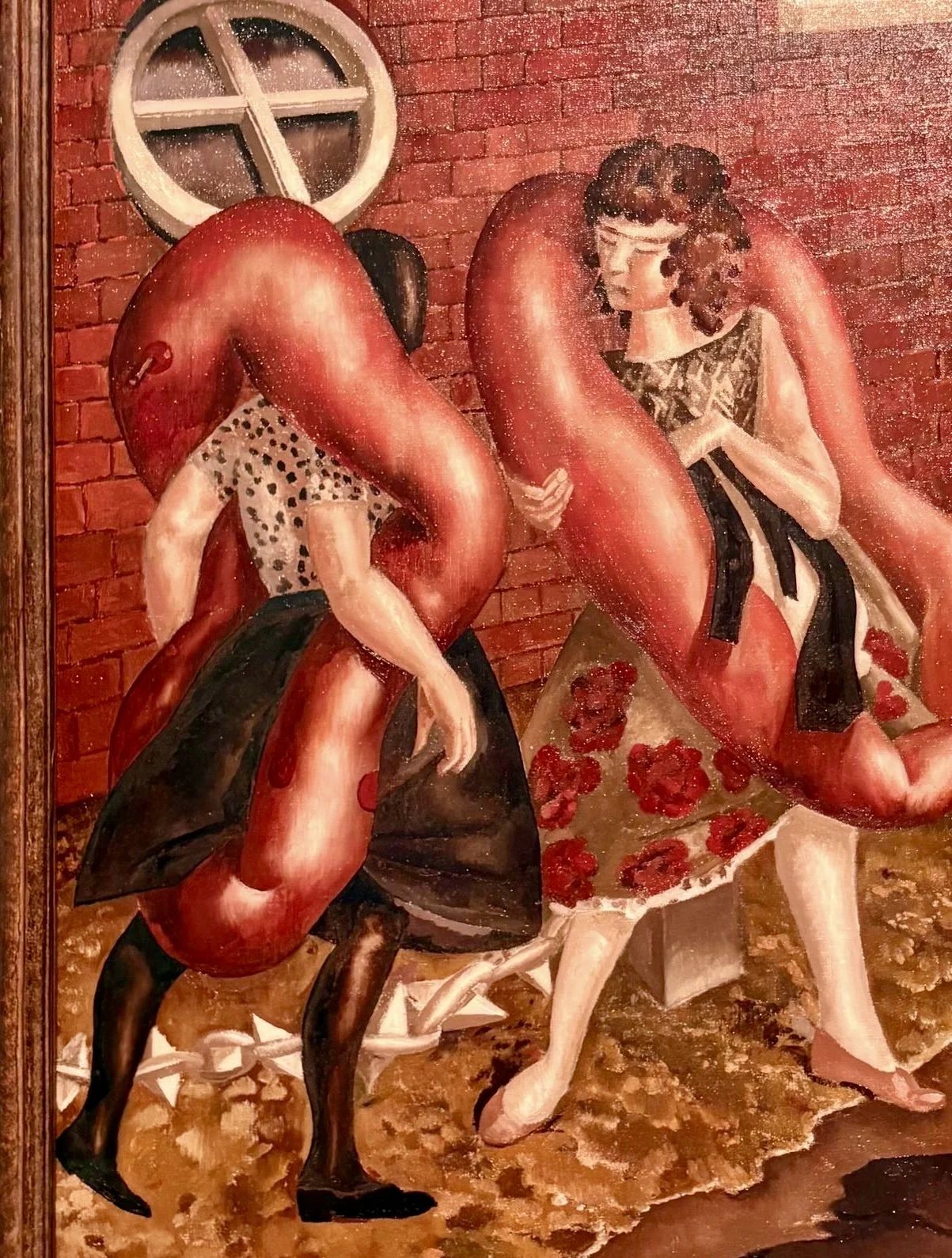
Girls Returning from a Bathe, Stanley Spencer


The recent ncas trip, to Gainsborough’s House in Sudbury Suffolk, was deemed a big success by all those who went.

Emma Boyd (the Keeper of Art and Place at Gainsborough) gave 25 of us an excellent guided tour of the current exhibition “Stanley Spencer, Love and Landscape” a small, but exquisite, show with some unforgettable works reflecting Stanley’s highly complex personal life and incredible artistic dexterity.


Highly recommended, the exhibition continues until 22 March 2026.

More information is available here